

It's never great when you get into your car and notice that something smells off. In many cases, an unfamiliar odor in your car is your vehicle's way of telling you that something needs attention. From musty interiors to sharp chemical smells, understanding what you're dealing with can help you act quickly and avoid bigger problems down the road. Keep reading for a look at what might be causing that smell in your car in Bellevue, Wash. What Are the Most Common Car Odors and What Do They Mean? Different odors can mean different things. A sweet, syrupy smell often indicates a coolant leak, which can be a sign of a failing radiator or heater core. A rotten egg or sulfur smell may point to a problem with your catalytic converter or a fuel system issue. If you notice a burning smell, it could be related to overheating brakes, a slipping clutch, or even an electrical issue. A musty or moldy smell is typically connected to moisture buildup in the cabin - often linked to a clogged cabin air filter or water intrusion. How Do I Get Rid of Bad Smells in My Car? Getting rid of car odor depends on the source. For musty or mildew smells, replacing a dirty cabin air filter is often the most effective step. A fresh air filter helps restore proper airflow and reduces the conditions that allow mold and bacteria to grow. For food or pet odors, a thorough vacuuming and a fabric-safe odor eliminator is a good idea. For mechanical smells like burning or sulfur, the fix usually requires a visit to a service technician who can diagnose and repair the underlying issue. Don't try to mask those smells - address them directly. Are Some Car Odors a Sign of a Safety Issue? Yes, and it's important to take them seriously. A gasoline smell inside the cabin could indicate a fuel leak, which is a fire hazard. A burning plastic or rubber smell might mean an electrical short or a component making unintended contact with heat. If you ever smell something sharp and chemical inside your vehicle while the heat or air conditioning is running, turn off the system and have it inspected. Carbon monoxide has no odor, but exhaust smells inside the car are a warning sign that fumes may be entering the cabin - roll down your windows and get your vehicle checked right away. How Can I Prevent Car Odors? Prevention goes a long way when it comes to keeping your car smelling fresh. Replacing your cabin air filter on schedule - typically every 15,000 to 25,000 miles - is one of the simplest and most effective things you can do. A clean air filter keeps allergens, dust, and bacteria from circulating through your vents. You should also avoid leaving food, damp clothing, or wet gear in your car for extended periods. Running your air conditioning periodically, even in cooler months, helps prevent moisture from settling in the system. Regular interior cleanings and prompt attention to any spills also make a big difference. When Should I Bring My Car In for a Smell-Related Concern? If the odor is chemical, burning, or related to fluids, it's best not to wait. A quick inspection can help rule out anything serious and give you peace of mind. Drivers throughout Bellevue, WA, can schedule a service visit with the team at Honda Auto Center of Bellevue for a thorough look at what's causing the smell. If it's a routine air filter swap or a more involved repair, addressing car odor early is always the smarter move.
Understanding TPMS: What Every Honda Driver Should Know
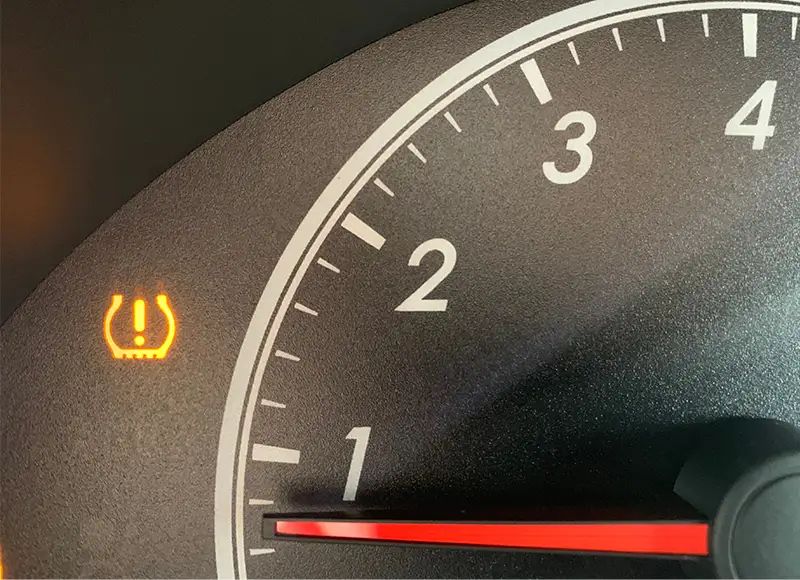
Understanding TPMS: What Every Honda Driver Should Know If you've ever seen a small warning light shaped like a cross-section of a tire pop up on your dashboard, that's from your vehicle's tire pressure monitoring system, or TPMS. This system plays an important role in keeping you safe on the road, and understanding how it works can help you know what to do when it comes on when you're driving around Bellevue, Wash. What Is TPMS and How Does It Work? TPMS is an electronic system designed to monitor the air pressure in your tires and alert you when one or more tires drop below a safe threshold. Most Hondas use a direct TPMS setup, which means each wheel has its own sensor that transmits real-time tire pressure data to your vehicle's onboard computer. When tire pressure drops roughly 25 percent below the recommended level, the TPMS warning light comes on. The sensors are battery-powered and typically last several years, but they do require maintenance over time. What to Pay Attention to When the Light Comes On When you see a TPMS warning, don't ignore it. A steady light usually indicates that one or more tires have low tire pressure. A flashing light, on the other hand, often signals a sensor malfunction rather than a pressure issue. Check all four tires with a manual gauge to verify your tire pressure levels. Even if one tire looks visually fine, it may still be underinflated. Temperature changes are a common reason tire pressure drops - cold weather can cause tire pressure to decrease noticeably, especially during seasonal shifts in the Pacific Northwest. How to Maintain Your TPMS Routine maintenance is the best way to keep your TPMS functioning properly. Check your tire pressure at least once a month and always before long drives. The correct tire pressure for your Honda is listed on the sticker inside the driver's side door jamb, not on the sidewall of the tire itself. When you rotate your tires or have new ones installed, the TPMS sensors may need to be reset or reprogrammed. If a sensor battery dies or a sensor becomes damaged during a tire change, it will need to be replaced by a certified technician. Neglecting sensor maintenance can result in inaccurate readings or a persistent warning light. When to See a Technician If your TPMS light stays on after you've inflated your tires to the correct pressure, or if it flashes continuously, it's time to schedule a service appointment. This typically indicates a sensor issue that needs professional diagnosis. Trying to drive long-term with a malfunctioning TPMS means losing the safety benefits the system is designed to provide. Trust Honda Auto Center of Bellevue With Your TPMS System Your TPMS is a simple but essential safety feature that keeps tabs on tire pressure so you don't have to guess. Knowing how it works, responding quickly when the warning light comes on, and keeping up with routine sensor maintenance will help you get the most out of this system. If your Honda's TPMS light is on or you're unsure about the condition of your sensors, drop by and see the service experts at Honda Auto Center of Bellevue or schedule a service appointment with a trained Honda technician.