
Honda Auto Center
of Bellevue

Blog

All Bellevue Honda Dealer Honda Auto Center of Bellevue Honda Cars 2026 Bellevue Honda Service Honda Auto Center of Bellevue Service FAQs 2025 2026 CR-V 2026 Accord Hybrid 2026 Hybrids 2025 Civic 2026 CR-V Hybrid 2026 Honda Ridgeline 2026 Odyssey 2026 Passport 2026 Pilot Honda Warranties 2025 Civic Hybrid 2025 CR-V 2025 HR-V 2025 Pilot 2026 Civic Hybrid 2026 Civic Sedan 2026 EV 2026 Prologue Air Conditioning Bellevue Used Cars Brakes CPO Oil Tires
Roadside Assistance and Car Breakdown Help: What to Do When Your Vehicle Stops Running
in Bellevue Honda Service

Roadside Assistance and Car Breakdown Help: What to Do When Your Vehicle Stops Running

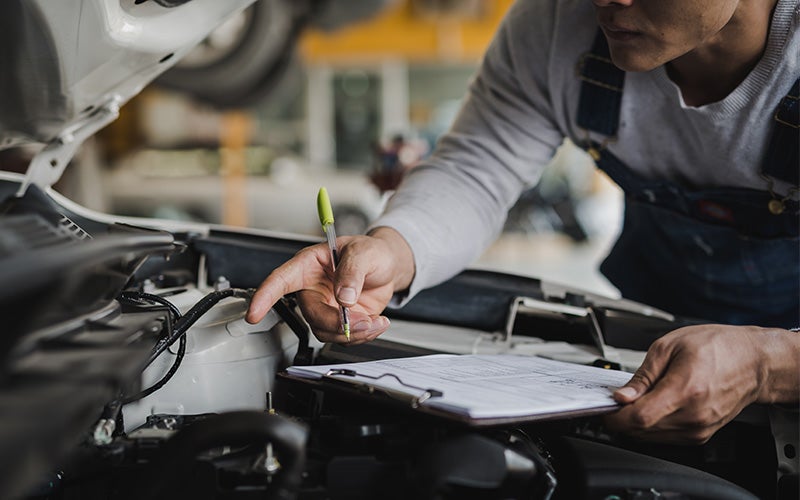
A vehicle breakdown can happen unexpectedly, whether you are commuting through Seattle traffic, traveling across Bellevue, or heading out on a longer road trip. Knowing what steps to take when your car stops working can help you stay safe and get the support you need as quickly as possible. Roadside assistance services are designed to provide drivers with help during unexpected vehicle issues. From a dead battery and flat tire to lockouts and towing needs, roadside support offers solutions that can help you get back on the road or safely transport your vehicle for additional service. For drivers throughout Bellevue, WA, and the surrounding Seattle area, having access to dependable car breakdown help provides added confidence during everyday driving. Understanding common roadside emergencies and available assistance options can make stressful situations easier to manage. What Should I Do If My Car Breaks Down? When a vehicle stops operating properly, the first priority is safety. Moving to a secure location and assessing the situation can help prevent additional risks while waiting for assistance. Whether your vehicle loses power, experiences a mechanical issue, or develops a tire problem, staying calm and following the right steps is important. more If your car breaks down, consider these steps: Move your vehicle away from traffic when possible and turn on hazard lights. Remain aware of your surroundings, especially when stopped near busy roads. Contact roadside assistance for professional help. Provide your location, vehicle details, and a description of the issue. Avoid attempting repairs in unsafe conditions. Modern vehicles include many advanced systems designed to improve reliability, but unexpected problems can still occur. Regular maintenance, inspections, and timely service can reduce the likelihood of breakdowns, but roadside assistance remains an important resource when problems happen. What Does Roadside Assistance Cover? Roadside assistance provides support for many common vehicle emergencies. The exact services available may vary depending on your coverage, vehicle ownership benefits, or service provider, but most programs are designed to address common situations drivers experience. Car breakdown help may include: Towing services when a vehicle cannot be safely driven. Battery jump-start assistance for vehicles with a discharged battery. Flat tire assistance when a tire needs replacement or repair. Lockout assistance if keys are accidentally locked inside the vehicle. Fuel delivery assistance when a vehicle runs out of fuel. Help locating additional automotive services when needed. These services can be especially valuable during inconvenient situations, such as early morning commutes, nighttime driving, or long-distance travel. Having access to roadside support helps drivers know they have options when their vehicle needs immediate attention. How Can I Prevent a Car Breakdown? While some vehicle problems are unavoidable, routine maintenance can help identify potential issues before they lead to unexpected breakdowns. Following recommended service intervals helps keep important vehicle systems operating properly. Many breakdown-related problems are connected to components that require regular inspection, including batteries, tires, fluids, and braking systems. Addressing small concerns early can help prevent larger issues in the future. Drivers can help reduce breakdown risks by: Checking tire pressure regularly and monitoring tire condition. Following recommended oil change schedules. Inspecting battery condition and electrical connections. Maintaining proper fluid levels. Paying attention to unusual noises, warning lights, or performance changes. Professional service technicians can also identify wear and maintenance needs during routine appointments. Regular visits to a trusted service department help keep vehicles prepared for daily driving conditions throughout Bellevue and Seattle. What Are Common Reasons Cars Need Roadside Assistance? Vehicle breakdowns can happen for many reasons, ranging from simple issues to more complex mechanical concerns. Understanding common causes can help drivers recognize warning signs and take preventative action. Some of the most common reasons drivers request roadside assistance include: Dead or weak batteries caused by age, weather, or electrical issues. Flat tires caused by punctures, damage, or worn tread. Engine problems that prevent normal vehicle operation. Overheating caused by cooling system concerns. Lost keys or accidental vehicle lockouts. Running out of fuel during travel. Battery issues are among the most frequent causes of roadside service calls. Temperature changes, frequent short trips, and vehicle age can affect battery performance over time. Routine battery inspections can help determine when replacement or service may be needed. Why Is Reliable Car Breakdown Help Important in Seattle? Driving conditions throughout the Seattle area can vary depending on traffic, weather, and travel distance. A vehicle issue during a busy commute or on an unfamiliar road can create additional challenges without access to reliable assistance. Roadside assistance provides support when drivers need immediate help. Instead of attempting potentially unsafe repairs or arranging transportation on their own, drivers can connect with professionals who understand how to handle vehicle emergencies. Reliable roadside support is valuable because it provides: Assistance during unexpected vehicle problems. Professional support when a vehicle cannot continue driving. Added confidence during daily commutes and road trips. Help coordinating towing or additional service needs. Peace of mind for drivers and passengers. Having a plan before an emergency happens allows drivers to respond more effectively when their vehicle requires attention. How Does Vehicle Maintenance Support Roadside Reliability? Routine vehicle maintenance plays an important role in reducing unexpected problems. A properly maintained vehicle is better prepared for everyday driving demands, changing weather conditions, and longer trips. Service appointments allow technicians to inspect important components and identify potential concerns. Maintenance services such as oil changes, tire rotations, brake inspections, and battery checks help support vehicle performance over time. Important maintenance services include: Oil and filter changes to support engine performance. Tire inspections to maintain proper handling and safety. Brake checks to monitor wear and performance. Battery testing to identify charging concerns. Fluid inspections to support vehicle systems. Maintaining your vehicle does not eliminate every possible issue, but it can help address problems before they become larger concerns. A consistent service schedule is one of the best ways to support dependable transportation. Unexpected vehicle problems can be frustrating, but knowing where to turn for help can make the experience easier. Roadside assistance provides valuable support for common emergencies, while routine maintenance helps drivers stay prepared for the road ahead. Honda Auto Center of Bellevue supports drivers in Bellevue and the Seattle area with automotive expertise, vehicle service resources, and helpful guidance. Whether you need car breakdown help, routine maintenance, or information about keeping your vehicle dependable, the dealership team is available to assist. Schedule your next service appointment and keep your vehicle ready for every drive.

Read More
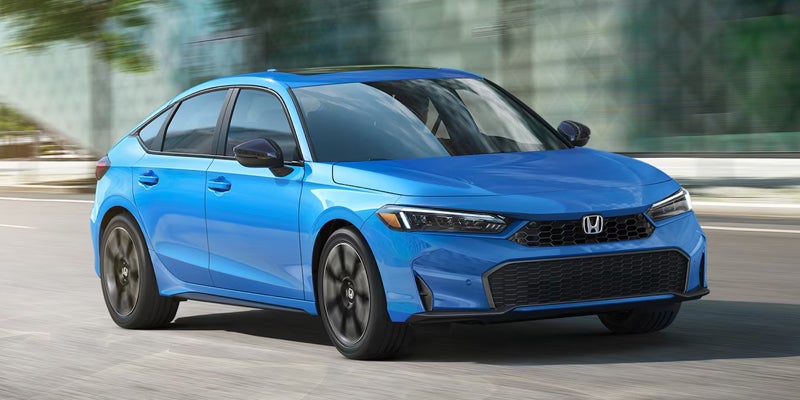
How Hybrid Vehicles Work and the Difference Between HEV vs. PHEV - 2026 Honda Civic Hatchback Hybrid

How Hybrid Vehicles Work and the Difference Between HEV vs. PHEV

Hybrid vehicles have become an increasingly popular choice for drivers who want improved efficiency, advanced technology, and a practical alternative to traditional gasoline-powered vehicles. By combining an internal combustion engine with electric motor technology, hybrids provide a unique driving experience that balances performance and fuel efficiency. For drivers near Bellevue and Seattle, understanding how hybrid vehicles operate can help determine which type of electrified vehicle best fits their daily driving needs. Two of the most common hybrid systems are Hybrid Electric Vehicles (HEVs) and Plug-In Hybrid Electric Vehicles (PHEVs). While both use electric motors and gasoline engines, the way they store and use energy is different. Honda hybrid models are designed to deliver smooth performance, responsive acceleration, and efficient operation while maintaining the comfort and reliability drivers expect from the brand. How Do Hybrid Vehicles Work? A hybrid vehicle uses two sources of power: a gasoline engine and one or more electric motors. These systems work together to provide power while reducing the amount of fuel needed during certain driving conditions. Instead of relying only on gasoline, hybrid technology allows the vehicle to use stored electrical energy to assist the engine. more The hybrid system automatically determines the most efficient way to deliver power based on driving conditions. During low-speed driving, acceleration, cruising, or braking, the vehicle can adjust between gasoline power, electric power, or a combination of both. Key components of a hybrid vehicle include: Gasoline engine that provides traditional vehicle power. Electric motor that assists with acceleration and driving efficiency. Battery pack that stores electrical energy for the electric motor. Regenerative braking system that captures energy during braking. Hybrid control system that manages power distribution between components. Regenerative braking is one of the most important features of hybrid technology. When a driver slows down, the system captures energy that would normally be lost as heat through the brakes. That energy is converted into electricity and stored in the battery, helping power the electric motor later. What Is an HEV (Hybrid Electric Vehicle)? A Hybrid Electric Vehicle, commonly called an HEV, uses a gasoline engine and electric motor without needing to be plugged into an external power source. The vehicle charges its battery automatically through regenerative braking and energy generated by the gasoline engine. HEVs are designed for drivers who want hybrid benefits without changing their regular driving habits. Since the battery charges while driving, owners do not need to search for charging stations or install home charging equipment. Benefits of an HEV include: No need to plug in the vehicle to recharge the battery. Automatic switching between gasoline and electric power. Improved efficiency during city driving and stop-and-go traffic. Familiar fueling process similar to a traditional vehicle. Reduced reliance on gasoline compared with conventional models. Honda hybrid vehicles use advanced engineering to create a seamless transition between electric and gasoline power. Drivers may notice quiet electric operation at certain speeds, smooth acceleration, and efficient power management during everyday commutes. What Is a PHEV (Plug-In Hybrid Electric Vehicle)? A Plug-In Hybrid Electric Vehicle, known as a PHEV, combines a gasoline engine and electric motor while offering a larger battery that can be charged through an external power source. Unlike an HEV, a PHEV can typically travel longer distances using electric power alone before the gasoline engine becomes necessary. PHEVs provide flexibility because drivers can use electric power for shorter trips while still having a gasoline engine available for longer journeys. This makes them appealing for commuters who want electric driving capability without depending entirely on charging infrastructure. Important PHEV features include: Rechargeable battery that can be charged using a home or public charging station. Ability to drive using electric power alone for certain distances. Gasoline engine support for extended driving range. Flexible operation for both daily commuting and longer trips. Reduced gasoline use when charging regularly. Drivers who have predictable daily routes may benefit from a PHEV because many routine trips can potentially be completed using electric power before switching to gasoline operation. HEV vs. PHEV: What Is the Difference? The main difference between an HEV and a PHEV is how the battery is charged and how much electric-only driving capability the vehicle provides. Both systems improve efficiency by combining electric and gasoline power, but they are designed for different driving preferences. An HEV automatically manages its battery charging while driving, making it a convenient choice for drivers who want hybrid efficiency without plugging in. A PHEV offers more electric driving capability but requires access to charging to maximize its benefits. The main differences between HEV and PHEV technology include: HEVs recharge through regenerative braking and the gasoline engine, while PHEVs can be plugged into an external charger. PHEVs generally have larger battery packs than HEVs. HEVs operate without requiring charging equipment. PHEVs can provide electric-only driving for certain distances. HEVs are often ideal for drivers with varied driving patterns, while PHEVs may benefit drivers with consistent charging access. Choosing between an HEV and PHEV depends on driving habits, access to charging, commute length, and personal preferences. Both options provide an efficient way to enjoy the advantages of electrified driving. Are Hybrid Vehicles Good for Seattle and Bellevue Drivers? Hybrid vehicles can be a practical option for drivers throughout the Seattle area. Daily commuting, traffic conditions, and frequent stop-and-go driving create situations where hybrid technology can provide noticeable efficiency advantages. HEV models are especially convenient for urban driving because they can recover energy during frequent braking and use electric assistance during lower-speed situations. PHEVs can also be a strong option for drivers who have access to charging at home or work. Hybrid vehicles are commonly chosen by drivers who want: Efficient commuting options for city and highway driving. Advanced technology without giving up gasoline-powered range. Lower fuel consumption compared with many traditional vehicles. Smooth and quiet operation. Modern safety and convenience features. The right hybrid vehicle depends on how and where you drive. A dealership experienced with Honda hybrid models can help you compare available options and determine which technology aligns with your routine. What Are the Benefits of Choosing Honda Hybrid Vehicles? Honda has developed hybrid technology to provide a balance of efficiency, performance, and everyday usability. Honda hybrid models incorporate electric motors with gasoline engines to deliver responsive driving while helping drivers reduce fuel consumption. Many Honda hybrid vehicles include features that enhance the ownership experience, such as advanced driver-assistance technology, intuitive infotainment systems, and comfortable interiors. These models are designed to provide the same practicality drivers expect while adding hybrid efficiency. Honda hybrid advantages include: Smooth power delivery from electric and gasoline systems. Intelligent energy management that automatically adjusts performance. Available advanced safety technologies. Comfortable designs suited for commuting and family driving. Reliable engineering built for everyday use. Whether choosing an HEV or exploring plug-in hybrid options, Honda vehicles offer drivers a way to experience electrified technology while maintaining the flexibility needed for daily transportation. Explore Honda Hybrid Vehicles Near Bellevue, WA Understanding how hybrid vehicles work makes it easier to choose the right electrified option for your lifestyle. HEVs provide convenient hybrid efficiency without requiring charging, while PHEVs offer additional electric driving capability with the flexibility of gasoline power. Honda Auto Center of Bellevue helps drivers near Seattle explore available Honda hybrid models and learn more about HEV and PHEV technology. From comparing features to finding the right vehicle for your commute, the dealership team can provide helpful information throughout the shopping process. Explore Honda hybrid vehicles today and discover how advanced hybrid technology can support your next drive.

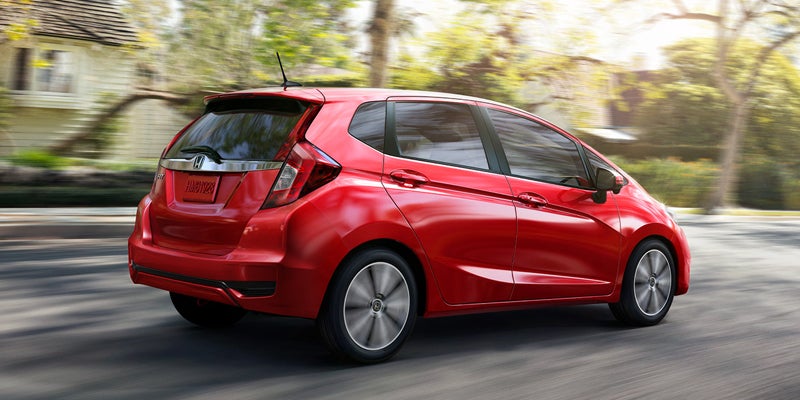
Used Cars FAQ: What to Know Before Buying a Used Car in Seattle, WA - 2019 Honda Fit

Used Cars FAQ: What to Know Before Buying a Pre-Owned Vehicle in Seattle, WA

Shopping for a used car involves more than finding a vehicle that fits your budget and lifestyle. Drivers throughout Seattle, WA, often consider factors such as vehicle condition, ownership history, reliability, available features, and long-term value before making a purchase. A well-researched used vehicle can provide years of dependable transportation while offering access to modern technology, comfort features, and performance capabilities. At Honda Auto Center of Bellevue, shoppers can explore a variety of quality pre-owned vehicles while receiving guidance from a knowledgeable automotive team. Understanding what to look for when buying a used car can help make the process easier and provide confidence when selecting the right vehicle. What Should I Look For When Buying a Used Car? A used vehicle should be evaluated based on more than appearance alone. While exterior condition and interior comfort are important, mechanical condition, maintenance history, and ownership records provide a clearer picture of the vehicle’s overall value. Taking time to review important details can help drivers make informed decisions. more Many shoppers begin by identifying their needs, including passenger space, fuel efficiency, cargo capacity, driving habits, and desired features. A commuter in Seattle may prioritize a fuel-efficient sedan or compact SUV, while families may prefer a larger SUV with additional seating and storage options. Important factors to consider when shopping for a pre-owned vehicle include: Vehicle history report that provides information about previous ownership, reported accidents, service records, and title history. Mileage compared with the vehicle’s age, condition, and maintenance history. Inspection results that help identify potential mechanical concerns. Available safety technology, connectivity features, and driver-assistance systems. Previous maintenance records that show how well the vehicle was cared for. A vehicle history report is one of the most valuable resources available when purchasing a used car. This report can provide insight into a vehicle’s background and help shoppers better understand its previous use. Reviewing this information alongside a professional inspection creates a more complete picture of the vehicle before purchase. Why Is a Vehicle History Report Important for Used Cars? A vehicle history report helps answer many common questions that arise during the used car buying process. Buyers often want to know whether a vehicle has been involved in an accident, how many owners it has had, whether it has a clean title, and if maintenance records are available. This information allows shoppers to move forward with greater confidence. A report can reveal important details that may not be visible during a walk-around inspection, such as previous damage, ownership changes, or reported service events. When reviewing a vehicle history report, shoppers should pay attention to: Accident and damage history that may affect vehicle condition. Title information that confirms the vehicle’s status. Service records showing routine maintenance and repairs. Number of previous owners and how the vehicle was used. Odometer information to verify reported mileage. Used car shoppers in the Seattle area can benefit from reviewing vehicle history information before scheduling a test drive or finalizing a purchase. This step helps create a more transparent buying experience and supports better decision-making. How Can I Find Reliable Used Cars Near Seattle? Finding a dependable used car starts with choosing a dealership that offers a carefully selected inventory and helpful resources throughout the process. A reputable dealership provides access to vehicles that have been reviewed for quality while helping shoppers compare different options based on their needs. Drivers near Seattle, Bellevue, and surrounding communities can explore pre-owned inventory that includes a wide range of makes and models. Whether searching for a daily commuter vehicle, family SUV, or dependable truck, having access to different options makes it easier to find the right match. When searching for a reliable used vehicle, consider: Dealership reputation and customer reviews. Available vehicle details and online inventory information. Financing resources that simplify the purchasing process. Trade-in opportunities for drivers replacing their current vehicle. Professional assistance from automotive experts. A used car dealership can also help answer important questions about vehicle features, ownership history, maintenance information, and available options. Working with experienced professionals allows shoppers to compare vehicles with more confidence. What Used Car Features Should I Consider? Modern used vehicles often include many of the same advanced features found in newer models. Technology, safety systems, and comfort amenities have become important considerations for many drivers. Choosing the right features depends on personal preferences, driving conditions, and everyday needs. Seattle drivers often look for vehicles that provide convenience during daily commutes, weekend trips, and changing weather conditions. Features such as smartphone integration, advanced safety systems, all-wheel drive availability, and efficient powertrains can add value to a pre-owned vehicle. Popular features to consider include: Apple CarPlay and Android Auto compatibility for convenient smartphone access. Blind spot monitoring and rear cross traffic alert for added awareness. Adaptive cruise control for highway driving. Heated seating and climate control features for seasonal comfort. Flexible cargo areas for shopping, recreation, and travel needs. Honda vehicles are known for their reputation for practicality, efficiency, and long-term dependability. Pre-owned Honda models can offer drivers access to these qualities while providing a wide range of features designed for everyday driving. Is It Better to Buy a Used Car From a Dealership? Many drivers choose dealership used cars because they appreciate having access to vehicle information, professional support, and additional resources during the buying process. Dealerships provide an organized shopping experience where customers can compare vehicles, review available details, and receive assistance with important steps. Buying from a dealership also allows shoppers to ask questions about the vehicle’s history, condition, and features. This guidance can be especially helpful for first-time used car buyers or anyone looking to replace their current vehicle. Benefits of shopping for a used car through a dealership include: Access to a diverse selection of pre-owned vehicles. Assistance from knowledgeable automotive professionals. Help understanding vehicle features and ownership history. Convenient financing and trade-in resources. A more structured purchasing experience. For drivers throughout Seattle and Bellevue, purchasing a used vehicle from a trusted dealership can make the process more straightforward. The right dealership provides helpful information so shoppers can choose a vehicle that matches their expectations. What Questions Should I Ask Before Buying a Used Vehicle? Before purchasing a pre-owned vehicle, shoppers should feel comfortable asking detailed questions about the car’s background and condition. Understanding important details before making a decision helps prevent surprises later. Questions about maintenance, ownership history, inspection results, and available features can provide valuable insight. A knowledgeable dealership team can help explain vehicle information and guide customers through the process. Helpful questions to consider include: Does the vehicle have a complete vehicle history report? Has the vehicle received regular maintenance? Are service records available for review? What features and technology systems are included? Has the vehicle undergone an inspection? Are there multiple similar vehicles available to compare? Taking the time to gather information allows shoppers to make choices based on facts rather than assumptions. A thoughtful approach to used car shopping can lead to a vehicle that provides reliable performance and lasting value. Find Quality Used Cars Near Seattle at Honda Auto Center of Bellevue Choosing a used car requires careful consideration, research, and access to accurate vehicle information. From reviewing a vehicle history report to comparing features and evaluating condition, each step plays an important role in finding the right pre-owned vehicle. Honda Auto Center of Bellevue helps drivers explore used cars with helpful resources, knowledgeable support, and a selection designed to meet a variety of needs. Whether searching for a Honda model or another trusted automotive brand, shoppers near Seattle can find options that fit their lifestyle. Explore available used inventory today and discover how the right pre-owned vehicle can provide dependable transportation for your daily drives and future adventures.

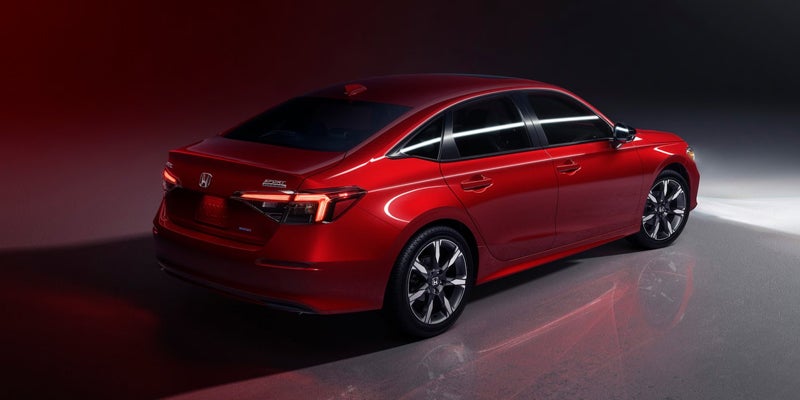
Washington State Electric Vehicle Incentives: A Guide for EV Buyers in Bellevue, WA - 2026 Honda Civic Sedan Hybrid

Washington State Electric Vehicle Incentives: A Guide for EV Buyers in Bellevue, WA

Electric vehicles continue to grow in popularity among Washington drivers who want advanced technology, efficient performance, and an alternative to traditional gasoline-powered vehicles. As more drivers consider making the switch to electric, understanding available Washington State electric vehicle incentives can help simplify the research process. Washington has developed programs and resources designed to encourage cleaner transportation options, including incentives for qualifying electric vehicles and charging infrastructure. Available opportunities can change based on vehicle type, eligibility requirements, and program availability, so reviewing current information is an important step before purchasing or leasing an EV. For drivers in Bellevue, Seattle, and surrounding communities, exploring EV incentives alongside vehicle options can provide a better understanding of what electric ownership may look like. What Are Washington State Electric Vehicle Incentives? Washington State electric vehicle incentives are programs that may help eligible drivers reduce some of the costs associated with transitioning to electric transportation. These incentives can include rebates, tax-related benefits, charging support programs, and other opportunities designed to make EV ownership more accessible. more The availability of incentives depends on several factors, including the type of vehicle, whether it is new or used, program requirements, and whether the applicant qualifies. Drivers should review current state and local program details before making a purchase decision because incentive requirements may change over time. Common EV incentive resources may include: Rebates for qualifying electric vehicles. Incentives for used electric vehicles. Programs that support EV charging access. Utility-based charging programs. Commercial vehicle electrification incentives. Understanding these opportunities can help shoppers compare electric vehicles with greater confidence while considering the long-term benefits of EV ownership. Are There EV Rebates Available in Washington State? Many drivers searching for WA EV incentives want to know whether rebates are available when purchasing an electric vehicle. Washington programs have included incentives designed to support EV adoption, including opportunities focused on making electric transportation more accessible for qualifying residents. Available rebates and incentives can vary depending on current funding, eligibility requirements, and program guidelines. Some programs focus specifically on certain income qualifications, vehicle types, or ownership situations. Drivers interested in potential EV rebates should consider: Reviewing current Washington incentive requirements. Confirming whether a specific vehicle qualifies. Checking available state and local programs. Understanding application deadlines or participation requirements. Keeping purchase documents for eligible programs. Because EV incentive programs can change, staying informed before purchasing helps ensure drivers understand available opportunities. What Electric Vehicles May Qualify for Washington Incentives? Eligibility for EV incentives depends on program guidelines and vehicle requirements. Not every electric vehicle automatically qualifies for every available incentive, making it important for shoppers to verify details before completing a purchase. Factors that may influence eligibility include: Vehicle classification and powertrain type. New or used vehicle status. Purchase or lease requirements. Residency qualifications. Program-specific rules. Electric vehicles include several different categories, including battery electric vehicles (BEVs), plug-in hybrid electric vehicles (PHEVs), and other electrified options. Each vehicle type may have different requirements depending on the incentive program being considered. A dealership team familiar with EV options can help shoppers understand available vehicle choices and provide general guidance on researching current programs. Are Used Electric Vehicles Eligible for Washington EV Incentives? Used electric vehicles can be an appealing option for drivers who want EV technology while exploring a wider range of vehicles. Some Washington EV incentives have included programs supporting used electric vehicle purchases, helping more drivers consider pre-owned EV options. Buying a used EV also allows shoppers to explore different models, features, and technology levels. Many pre-owned electric vehicles include advanced safety features, smartphone connectivity, and modern charging capabilities. When shopping for a used electric vehicle, consider: Reviewing battery information and vehicle history. Checking available warranty coverage. Understanding charging requirements. Comparing electric range estimates. Researching available incentives before purchase. A vehicle history report and professional dealership support can help shoppers better understand a used EV’s condition and ownership background. Does Washington Offer EV Charging Incentives? Charging access is an important part of EV ownership. Washington has continued efforts to expand charging infrastructure and support electric transportation throughout the state. The Washington State Department of Transportation has announced investments to expand EV charging access in multiple communities through infrastructure programs. For many EV drivers, charging at home provides convenient daily support, while public charging stations offer additional flexibility for longer trips. Understanding charging options can help drivers decide whether an electric vehicle fits their routine. EV charging considerations include: Availability of home charging options. Public charging locations near work and travel routes. Charging speed differences between Level 1, Level 2, and DC fast charging. Utility programs that may support EV charging. Drivers in Bellevue and Seattle often have access to a growing network of charging resources, making EV ownership increasingly practical for daily transportation. Are Electric Vehicles a Good Choice for Washington Drivers? Washington drivers have unique conditions that can make electric vehicles an attractive option. Daily commuting, urban driving, and access to charging infrastructure all play a role in determining whether an EV fits a driver’s lifestyle. Electric vehicles can provide several advantages, including: Quiet operation and smooth acceleration. Reduced dependence on gasoline. Advanced vehicle technology. Convenient home charging options. Fewer traditional engine maintenance requirements. EV ownership is not the same experience as driving a traditional gasoline vehicle. Charging habits, driving distance, and access to charging locations should all be considered when choosing an electric vehicle. For some drivers, a fully electric vehicle may provide everything they need. Others may prefer a hybrid or plug-in hybrid option that combines electric technology with gasoline-powered flexibility. How Do I Find the Right Electric Vehicle Near Bellevue? Choosing an electric vehicle involves more than comparing available incentives. Drivers should also consider range, charging needs, vehicle size, features, comfort, and everyday driving habits. Honda electric and electrified vehicles provide drivers with access to modern technology and efficient performance while maintaining the practicality expected from the brand. Comparing different models allows shoppers to find a vehicle that matches their commute, lifestyle, and transportation goals. When researching an EV, consider: How far you typically drive each day. Whether home charging is available. Desired vehicle size and passenger space. Available technology and safety features. Long-term ownership expectations. Working with an experienced dealership can make it easier to explore EV options and understand available features before making a decision. Explore Electric Vehicles and EV Resources at Honda Auto Center of Bellevue Washington State electric vehicle incentives can help drivers better understand available opportunities when considering an EV purchase or lease. From researching rebates to comparing electric vehicle options, taking time to gather information helps create a more confident shopping experience. Honda Auto Center of Bellevue helps drivers in Bellevue and the Seattle area explore modern Honda vehicles, including electrified options designed for changing transportation needs. Whether you are researching EV incentives, charging options, or available models, the dealership team can help provide the information needed for your next vehicle decision. Explore available electric vehicle options today and learn more about how EV technology can fit into your daily driving routine.

Tires FAQ: Essential Information Every Vehicle Owner Should Know

Tires FAQ: Essential Information Every Vehicle Owner Should Know

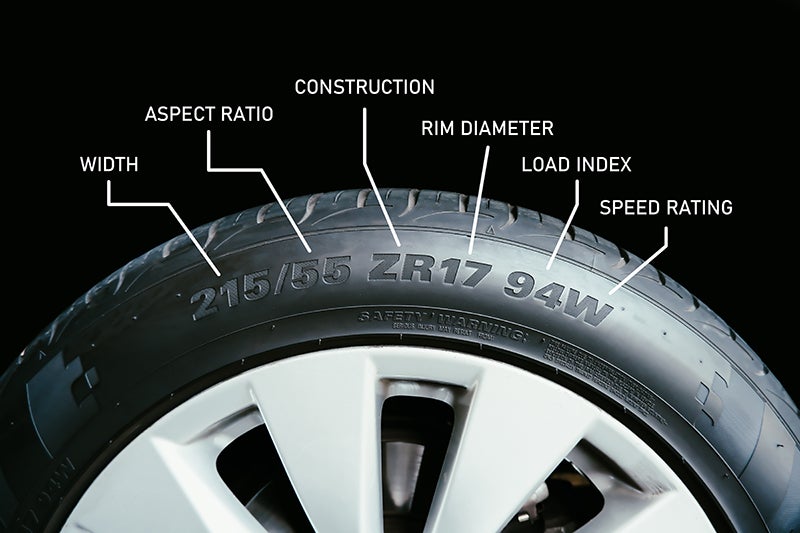
Maintaining your tires is a critical part of vehicle safety, performance, and efficiency. At Honda Auto Center of Bellevue in Bellevue, WA, we understand that many drivers have questions about tires, from reading sidewall codes to recognizing wear patterns and understanding maintenance schedules. This guide addresses the most common inquiries and provides detailed insights to help you make informed decisions about tire care. What Do the Numbers and Codes on My Tire Mean? Every tire carries a series of numbers and letters on its sidewall that convey important specifications. Interpreting these correctly ensures proper tire replacement and vehicle performance. Passenger vs. Light Truck Tires: The initial letter, such as “P” for passenger vehicles or “LT” for light trucks, indicates the type of vehicle for which the tire is designed. Width and Aspect Ratio: The three-digit number following the letter represents the tire’s width in millimeters, while the number after the slash shows the aspect ratio, comparing sidewall height to width. Construction and Diameter: The “R” indicates radial construction, and the final number denotes wheel diameter in inches. Load Index and Speed Rating: A combination of numbers and letters near the end specifies maximum load capacity and speed capability. more Proper understanding of these codes ensures that replacements match your vehicle’s original specifications, maintaining safety, handling, and fuel efficiency. How Often Should You Rotate Tires? Tire rotation is a preventive maintenance step that extends the life of your tires and ensures even wear. Uneven wear can affect braking, handling, and fuel economy. Recommended Intervals: Most manufacturers suggest rotating tires every 5,000 to 7,500 miles. Integrating rotations with routine oil changes makes scheduling convenient. Wear Patterns: Front-wheel-drive vehicles often experience faster wear on front tires due to steering and power delivery. Rear tires typically wear more slowly. Rotation Methods: Patterns include forward cross, rearward cross, and X-pattern rotations depending on drivetrain type. Proper rotation keeps all tires performing optimally. Regular tire rotation prevents early replacement and maintains consistent traction across all four tires. How Can I Tell When My Tires Need Replacement? Identifying when tires require replacement is crucial for safety and performance. Several indicators help determine tire condition: Tread Depth: The penny test remains a simple method—if Lincoln’s head is fully visible when inserted into the tread, replacement is necessary. Age: Rubber degrades over time regardless of mileage. Most manufacturers recommend replacement after six years. Uneven Wear: Unequal tread patterns can indicate alignment or suspension issues that need professional attention. Visible Damage: Bulges, cracks, or sidewall damage are warning signs of internal deterioration. Recognizing these signs early allows for timely intervention, reducing the risk of blowouts and improving vehicle handling. What Are the Most Common Tire Problems and How Can I Address Them? Tires are subject to multiple stressors from the road and driving conditions. Understanding common problems helps prevent accidents and costly repairs: Flat Tires: If a tire fails while driving, maintain control, slow gradually, and move to a safe location. Use a spare if equipped, or contact roadside assistance. Vibration or Shaking: This may indicate unbalanced tires, misalignment, or suspension issues. Immediate inspection prevents additional wear. Slow Leaks: Regularly check tire pressure and look for punctures. Low pressure affects handling, fuel economy, and tire longevity. Overheating and Wear: Excessive heat from underinflation or towing can accelerate wear. Proper maintenance and tire pressure monitoring are essential. Professional inspections help address issues before they become hazardous or lead to uneven wear patterns. How Does Home Maintenance Support Tire Longevity? Routine care at home enhances tire life and performance: Monitor Tire Pressure: Maintain recommended PSI for consistent handling and fuel efficiency. Check Alignment: Misaligned wheels can cause rapid, uneven wear. Inspect for Damage: Look for cuts, punctures, and sidewall cracks. Clean and Rotate: Removing debris and rotating tires regularly maintains optimal performance. Combining these practices with professional checks ensures your tires remain safe and reliable throughout their lifecycle. How Do I Select the Right Tires for My Vehicle? Choosing the proper tires depends on your vehicle type, driving habits, and local climate conditions: All-Season vs. Seasonal Tires: All-season tires offer year-round performance, while winter tires improve traction in snow and ice. Load and Speed Ratings: Match ratings to your vehicle specifications to maintain safety and performance. Tread Patterns: Directional, asymmetric, and symmetric treads offer distinct benefits in traction, handling, and noise reduction. Consulting our technicians ensures the selection aligns with your driving needs and the specifications recommended by the manufacturer. When Should I Schedule Tire Inspection and Maintenance? Maintaining tires is a key factor in overall vehicle safety and performance. At Honda Auto Center of Bellevue, our certified technicians provide detailed tire inspections, rotations, balancing, and alignment services to ensure your vehicle is safe and road-ready. Drivers throughout Bellevue, WA, can rely on our team to extend tire life, optimize performance, and prevent avoidable issues. Regular maintenance not only enhances safety but also helps you maximize your investment in your tires and vehicle.

Honda Safety Features That Protect Every Drive 

Honda Safety Features That Protect Every Drive

Safety technology has evolved dramatically over the last decade. What began as airbags and anti-lock brakes has grown into a sophisticated network of cameras, radar sensors, electronic controls, and structural engineering designed to help drivers avoid accidents altogether. Honda has been at the forefront of that evolution, developing systems that support the driver without overwhelming the driving experience. For shoppers in Bellevue, WA, understanding Honda's approach to safety helps explain why the brand continues to earn strong safety ratings across much of its lineup. Honda Sensing® Forms the Core of the System At the center of Honda's modern safety strategy is Honda Sensing®, a suite of driver-assistance technologies now standard on most Honda vehicles. more The system combines several functions designed to monitor traffic conditions and provide assistance when necessary. Collision Mitigation Braking System™ can detect vehicles and, in certain situations, pedestrians ahead, helping reduce the severity of a potential collision or avoid one altogether. Road Departure Mitigation System assists if the vehicle begins leaving the roadway unintentionally, while Lane Keeping Assist System provides subtle steering support to help maintain lane position. Adaptive Cruise Control with Low-Speed Follow is equally valuable, particularly during longer journeys or heavy traffic. By automatically maintaining a selected following distance, it reduces some of the workload associated with daily commuting. Safety Technology That Works in Everyday Conditions The most effective safety systems are often the ones drivers barely notice. Honda has focused on integrating technology in a way that feels natural during daily use. Traffic Sign Recognition can identify posted speed limits and display them within the driver's field of view. Lead Car Departure Notification alerts drivers when traffic ahead begins moving after a stop. Available Blind Spot Information and Cross Traffic Monitor systems provide additional awareness in situations where visibility can be limited. Whether merging onto a busy highway or reversing out of a crowded parking space, these technologies help drivers identify hazards that may otherwise go unnoticed. Structural Safety Remains Just as Important Electronic systems often receive the most attention, but vehicle structure remains the foundation of occupant protection. Honda's Advanced Compatibility Engineering™ body structure is engineered to absorb and distribute crash energy more effectively during a collision. The goal is straightforward: help protect occupants while managing impact forces as efficiently as possible. This commitment extends throughout the vehicle. Multiple airbags, reinforced passenger compartments, and carefully engineered crumple zones all contribute to a comprehensive safety strategy that begins long before any electronic intervention becomes necessary. Visibility Plays a Major Role in Accident Prevention Helping drivers avoid hazards often starts with helping them see more clearly. Most Honda vehicles include a multi-angle rearview camera that provides enhanced visibility when reversing. Available technologies on select models can further improve awareness during parking and low-speed maneuvering. Automatic High-Beam headlights offer another useful benefit. By adjusting between high and low beams based on surrounding traffic conditions, they help maximize nighttime visibility without creating unnecessary glare for other drivers. Safety Across the Honda Lineup One of Honda's strengths is consistency. If you're considering a Honda Civic Sedan, CR-V, Pilot, Accord, HR-V, or Odyssey, many of the brand's most important safety technologies are available across the lineup rather than reserved exclusively for premium trims. That approach allows more drivers to benefit from advanced safety features regardless of vehicle size or budget. For families, commuters, and first-time buyers alike, that consistency simplifies the shopping process considerably. Experience Honda Safety Technology for Yourself The best safety technologies are often the ones you rarely think about because they work quietly and effectively in the background. Honda has spent years refining systems that help drivers remain aware, reduce fatigue, and respond more confidently to changing road conditions. Drivers throughout Bellevue, WA can explore the latest Honda models at Honda Auto Center of Bellevue and experience Honda Sensing®, advanced driver-assistance systems, and Honda's thoughtful approach to safety firsthand. The right safety features may never be the most exciting part of vehicle ownership, but they are among the most important.

The 2026 Honda Pilot: Features and Capability

The 2026 Honda Pilot: Features and Capability

The 2026 Honda Pilot is a versatile and well-equipped SUV available at the Honda Auto Center of Bellevue in Bellevue, WA, designed to meet the demands of modern families and active lifestyles. With spacious 3-row seating, flexible cargo configurations, and an intelligently organized cabin, the Pilot balances comfort, convenience, and functionality for daily commutes, weekend getaways, and long road trips. Advanced technology features, including wireless Apple CarPlay® and Android Auto®, intuitive touchscreen displays, and integrated connectivity, keep drivers and passengers seamlessly connected on the go. Paired with a capable 3.5 L V‑6 engine, available all-wheel drive on select trims, and the comprehensive Honda Sensing® suite of safety and driver-assist technologies, the 2026 Pilot ensures a confident, secure, and enjoyable driving experience for everyone on board. Morning Routine and Interior Functionality The interior of the 2026 Honda Pilot includes seating surfaces and storage areas. The cabin layout allows for the organization of personal items. Drivers can connect devices using Apple CarPlay® and Android Auto®. These features assist with navigation and audio selection. The climate control system maintains cabin temperature during commutes. more Passenger Seating and Configuration The 2026 Pilot offers 3-row seating. This configuration allows for the transport of multiple passengers. The second and third rows can be adjusted to create additional space for cargo. Entry and exit points are designed to facilitate movement for passengers. Road Trips and Performance The 2026 Honda Pilot utilizes a 3.5 L V-6 engine. This engine produces 285 hp and 262 lb-ft of torque. The vehicle includes an all-wheel-drive system on certain trims, such as the TrailSport, Elite, and Black Edition. The suspension system is tuned for road travel. The vehicle is suitable for trips that require extra space for luggage or outdoor equipment. 2026 Honda Pilot Cargo Management The cargo area provides space for various items. The rear seats fold to increase the total volume. This design allows for the storage of gear or supplies. The layout of the interior aims to maximize utility for daily errands or travel. Technology Integration The 2026 Pilot features a touchscreen display that is 7" or 9", depending on the trim level. These screens provide access to vehicle settings and media options. The interface is designed for use during vehicle operation. Wireless connectivity is available to support mobile device integration. Safety and Reliability in the 2026 Honda Pilot The 2026 Pilot includes the Honda Sensing® suite of safety and driver-assistive technologies. These systems include collision mitigation braking, road departure mitigation, and adaptive cruise control. These features assist the driver in maintaining awareness of road conditions. To view the 2026 Honda Pilot, visit Honda Auto Center of Bellevue in Bellevue, WA. Staff are available to provide details regarding the trim levels and available options. Please review our online inventory for more information.

How the EV Lifestyle Transforms Your Everyday Routine

How the EV Lifestyle Transforms Your Everyday Routine

Drivers in Bellevue, WA, are adopting a new routine by choosing electric vehicles (EV). Although owning an electric vehicle like the 2026 Honda Prologue alters your daily schedule and logistics, the transition provides unmatched convenience. To learn how this vehicle can enhance your life, reach out to Honda Auto Center of Bellevue for details. Mornings Without the Gas Station Because electric vehicle owners avoid gas stations, morning schedules become much simpler. You plug the 2026 Honda Prologue in at home, and it charges completely overnight. This process prevents adding 5 extra minutes to your morning commute, which saves valuable time over the course of a year. Ultimately, this simplicity removes 1 tedious errand from your weekly checklist. more A Calmer Commute Electric vehicles provide smooth power delivery, ensuring a comfortable ride. The cabin of the 2026 Honda Prologue is exceptionally quiet, creating a calm environment for your daily drive. Drivers will quickly notice the absence of engine noise, as well as the lack of gear-hunting. A responsive, quiet vehicle helps reduce daily stress behind the wheel. Convenient Home Charging Home charging through a Level 2 charger keeps your vehicle ready for any trip. You plug the car in when you park, and it charges automatically while you sleep. By replacing the need to fill up at public stations, this system adds significant convenience. Drivers often consider this consistent, at-home charging a major advantage of EV ownership. Lower Ownership Costs Since electric vehicles have fewer moving parts than gas-powered vehicles, they require less maintenance. Recurring maintenance needs, such as conventional oil changes, do not apply to electric powertrains. Furthermore, electricity generally costs less than gasoline on a per-mile basis. These distinct financial advantages become highly evident after 1 or 2 years of daily driving. Personal Environmental Impact Driving an electric vehicle actively lowers your personal environmental impact. The connection between your choices and the environment becomes clear, especially without constant gasoline usage. For drivers who value the natural surroundings of Bellevue, WA, reducing local tailpipe emissions is highly meaningful. EV Technology Integration Modern electric vehicles feature robust technology, which supports connected living. Systems like Apple CarPlay© and Android Auto© seamlessly integrate your digital life into the vehicle. Additionally, over-the-air software updates keep the car current without a traditional service center visit. This straightforward integration makes the EV transition incredibly seamless. Explore an EV in Person The electric vehicle lifestyle offers an efficient, modern way to travel. By providing reliable home charging and quieter commutes, owning an electric vehicle significantly changes your daily routine. Contact Honda Auto Center of Bellevue in Bellevue, WA, to explore the 2026 Honda Prologue today.

Honda Auto Center of Bellevue: Celebrating Our Newly Remodeled Location

Honda Auto Center of Bellevue: Celebrating Our Newly Remodeled Location

A Modern Experience for Honda Drivers in Bellevue, WA Honda Auto Center of Bellevue has recently unveiled its completely remodeled dealership, continuing a legacy of more than 45 years of serving drivers throughout Bellevue and the greater Eastside. Our updated facility enhances every aspect of the car-buying and ownership experience, offering a seamless blend of comfort, technology, and transparency for all visitors. From the moment you arrive, you’ll notice a fresh, modern environment designed to showcase our extensive Honda inventory and provide expert automotive services. Enhanced Service and Maintenance Facilities Our renovation also includes a state-of-the-art service center staffed with Honda-certified technicians. Services available at our Bellevue location include: more Routine maintenance and oil changes Brake inspections and repairs Transmission and engine services Tire rotations and alignment checks Honda-certified pre-owned vehicle inspections We employ the latest diagnostic technology and genuine Honda parts to maintain your vehicle’s longevity and performance. Transparent service pricing and flexible scheduling make maintaining your Honda easier than ever. Financing Made Simple Our finance department has been redesigned to offer a more streamlined, customer-focused experience. Whether you’re purchasing a new Honda or a certified pre-owned vehicle, our team guides you through financing options and helps you explore leasing programs. We emphasize clarity, ensuring you understand every step without pressure or confusion. Community and Local Expertise For over four decades, Honda Auto Center of Bellevue has built a strong reputation by helping drivers throughout Bellevue, Kirkland, Redmond, Renton, Issaquah, and surrounding Eastside communities find reliable vehicles. Our remodeled location further strengthens our commitment to offering: Personalized attention tailored to your needs Local knowledge of Seattle-area roads and weather considerations Expertise in used, certified pre-owned, and new Honda vehicles Why Our Remodel Matters to You The redesign of Honda Auto Center of Bellevue focuses on providing a superior customer experience: Open, airy showrooms highlighting our full Honda inventory Comfortable waiting areas with modern amenities Interactive displays for exploring vehicle technology Enhanced transparency in sales, trade-in, and service processes By combining our expertise with a modern environment, we ensure every visit is efficient, informative, and enjoyable. Schedule Your Visit Today Experience our newly remodeled facility and explore our wide selection of Honda vehicles. Schedule a test drive or service appointment and discover why generations of Eastside drivers trust Honda Auto Center of Bellevue for their automotive needs. Schedule a Test Drive | View New Inventory | View Pre-Owned Inventory | Service Appointment Frequently Asked Questions About Honda Auto Center of Bellevue What Honda models are available at the Bellevue location? We carry a variety of Honda models including the CR-V, Accord, Civic, Pilot, and HR-V. Both new and certified pre-owned options are available. Do you offer certified pre-owned Hondas? Yes, our certified pre-owned vehicles undergo rigorous inspections and come with Honda-backed warranties. Can I schedule service online at the remodeled dealership? Absolutely. Our online service scheduler allows you to book maintenance, repairs, and inspections at your convenience. Is financing available for both new and used Hondas? Yes, our finance team assists with loans, leases, and trade-in evaluations for all types of vehicles. How long has Honda Auto Center of Bellevue been serving the community? We have been serving drivers in Bellevue and the Eastside for over 45 years, emphasizing expertise, trust, and customer satisfaction.

Brakes FAQ: What Are the Signs of Failing Brakes?

What Makes Up Your Brake System?

Your brakes are one of the most important safety systems in your vehicle, especially when driving through Bellevue traffic, wet roads, or changing highway conditions. Honda Auto Center of Bellevue created this guide to help drivers understand the main parts of the brake system, how they work together, and which warning signs may indicate a need for service. The brake system has many connected parts, and each part has a specific job to stop the vehicle. Understanding these parts helps drivers find problems early. People who drive in Bellevue, WA, need working brakes for wet roads. What Are the Main Components of a Brake System? Brake Pads: These are parts that people replace often. They press against the rotor to create friction, and this slows the car. The material on the pads wears down over time. Most pads have a 1 metal wear indicator that makes a noise when the pads are thin. Brake Rotors: This is a flat metal disc that spins with the wheel. When a driver presses the pedal, the pads clamp the rotor to stop the car. Rotors can warp if a driver brakes too hard or too often. Brake Calipers: This part holds the brake pads. It has a piston that pushes the pads against the rotor using fluid pressure. If a caliper sticks, it can cause uneven braking or fast wear on 1 side. Brake Lines and Hoses: Fluid moves from the master cylinder to the calipers through metal lines and rubber hoses. These carry the pressure that makes the brakes work. Cracks or leaks in these lines can stop the brakes from working. Master Cylinder: This is the main part of the fluid system. When a person presses the pedal, it pushes fluid through the lines to each wheel. A bad master cylinder can make the pedal feel soft. Brake Fluid: This fluid moves force from the pedal to the calipers. It absorbs water over time, and this can lower the boiling point. This change reduces how well the brakes work. ABS Module: This part monitors how fast the wheels spin. It stops the wheels from locking during hard braking. This helps the driver keep control of the steering. A light on the dash shows if there is a problem. What Controls the Brake System? The systems that manage braking force are as important as the physical parts. The Brake Pedal: This is the main input for the driver. When it is pressed, it starts the pressure in the brake lines. Brake Booster: Most cars use a booster to increase the force from the driver's foot. Without it, stopping the car would be very hard. If the booster fails, the pedal will feel very stiff. ABS and Electronic Stability Control: These electronic systems adjust braking force at each wheel. ABS stops wheels from locking, and ESC applies brakes to keep the car stable on slippery roads. Parking Brake: This is a separate system that holds the car in place when it is parked. It usually works on the back wheels. Drivers should test it often to make sure it holds. What Are the Signs of Failing Brakes? Finding signs of wear early is an important part of car care. Squealing Sounds: A high noise when braking is often the 1st sign of thin pads. A small metal part makes this noise when the pads are low. Grinding Noise: A loud metal noise usually means the pads are gone. This can damage the rotors and must be fixed fast. Soft Brake Pedal: If the pedal feels soft or sinks to the floor, there might be air in the lines. This can also mean the fluid is low. Vibration: A shaking feeling in the pedal or steering wheel can mean the rotors are warped. This happens after the brakes get too hot. Pulling to the Side: If the car moves left or right when braking, a caliper might be stuck. It could also mean the pads are wearing unevenly. Warning Lights: A brake light on the dash should not be ignored. This light can mean the fluid is low or a sensor is broken. Burning Smell: A bad smell after driving can mean the brakes are too hot. This can happen if a caliper is stuck and stays closed. If your brakes squeal, grind, vibrate, feel soft, or trigger a warning light, schedule service with Honda Auto Center of Bellevue. Our technicians can inspect the pads, rotors, calipers, fluid, brake lines, ABS components, and related parts to help keep your vehicle stopping safely on Bellevue, WA roads.

What Makes the 2026 Honda Ridgeline a Smart Choice for Towing 

What Makes the 2026 Honda Ridgeline a Smart Choice for Towing

The 2026 Honda Ridgeline gives Bellevue, WA drivers a practical midsize pickup with strong towing capability, standard all-wheel drive, and everyday comfort. Available at Honda Auto Center of Bellevue, this truck is built for drivers who need to tow a boat, utility trailer, small camper, or project equipment while still enjoying a smooth daily drive. Engine and Transmission Specifications The mechanical power of the truck comes from a 3.5 L V6 engine. This engine produces 280 hp and 262 lb-ft of torque. These figures represent the pulling power available for towing tasks in various environments. The engine is paired with a 9-speed automatic transmission that manages power delivery. The transmission remains responsive if you are accelerating on a highway or moving a heavy load on an incline. Towing Capacity and Equipment The 2026 Honda Ridgeline is rated to tow up to 5,000 lbs when it is properly equipped. This capacity is sufficient for pulling a mid-size travel trailer, a boat, or a utility trailer. Every model comes with a standard integrated class 3 trailer hitch that includes a 7-pin connector. This standard equipment allows the truck to be ready for towing tasks without the need for extra parts. All-Wheel Drive and Stability Stability is maintained through the i-VTM4 all-wheel-drive system. This system manages how torque is sent to each of the 4 wheels. It works with Intelligent Traction Management, which provides 4 modes for normal, snow, sand, and mud conditions. The truck uses a fully independent front and rear suspension to keep the vehicle level if it is carrying a heavy load. Standard 18" alloy wheels provide a stable base for the vehicle. Technology and Safety Features The interior includes a 9" color touchscreen that supports wireless Apple CarPlay® and Android Auto®. These systems allow for easy access to navigation and phone functions. A standard rearview camera provides 3 different views to help align the truck with a trailer hitch. The Honda Sensing suite is standard on all trims, including the Sport, RTL, TrailSport, and Black Edition. These safety tools include adaptive cruise control and a collision mitigation braking system. Cargo Bed Utility The cargo bed is made of a composite material that resists scratches. It includes a lockable in-bed trunk with 7.3 cubic feet of space. The dual-action tailgate can open down or swing to the side for better access. A 150-watt or 400-watt power outlet is available in the bed for operating electronics. If you are interested in the 2026 Honda Ridgeline, Honda Auto Center of Bellevue can help you compare trims, review towing features, and explore current inventory. Visit our dealership in Bellevue, WA, to learn more about the Ridgeline’s V6 power, standard trailer hitch, all-wheel drive system, and versatile cargo bed.

Your Complete First Time Honda Buyer Guide: From Pre-Approval to Driving Away

Your Complete First Time Honda Buyer Guide: From Pre-Approval to Driving Away

Being a first time Honda buyer is exciting but can feel overwhelming. Visiting Honda Auto Center of Bellevue is a great place to start your search, whether you’re considering a Honda or exploring other options. This guide walks you through pre-approval, choosing a vehicle, comparing trims, and finding incentives—so you can make a confident decision. Step One: Get Pre-Approved Before You Shop A helpful step for a first time Honda buyer is to get pre-approved for a loan. A pre-approval shows your budget, and it helps you find interest rates. You will need to show proof of income and a valid ID to start the process. Many people use Honda Financial Services to apply online in a few minutes. If you have a short credit history, there are special programs for a first time buyer. Step Two: Choose the Right Honda for Your Needs When selecting your first car, think about what you will use it for most often. Consider factors like daily commuting, weekend trips, cargo space, and fuel efficiency. The 2026 Honda CR-V is one example of a versatile option, offering comfortable seating, good fuel economy, and advanced safety features. However, first-time buyers should compare different models to find the best fit for their lifestyle and budget. Make a list of your top priorities, such as technology features, interior space, or all-wheel-drive capability, to guide your decision. Step Three: Compare Trims Carefully It’s important to understand the differences between trims and options across models. Some trims include additional technology, premium audio, or enhanced safety packages. For first-time buyers, focus on the features that matter most in your daily life, like infotainment systems, seat comfort, or cargo capacity. The 2026 Honda CR-V, for example, offers multiple trims with varying features, but other Honda models or similar vehicles may better match your needs and budget. Comparing trims ensures you get the right combination of features without paying for extras you don’t need. Step Four: Understand Available Incentives You should look for savings when you buy a car. There are offers for low interest rates or cash back for certain buyers. A first time buyer might get a special rate through Honda Financial Services. There are also loyalty and conquest offers for people moving from other brands. Since programs change, you should ask a team member for the latest details. The team at Honda Auto Center of Bellevue can assist if the 2026 Honda CR-V or another model is the right fit. You can visit the showroom in Bellevue, WA today to see the current stock. Our website also lists the features and trims for each vehicle. Please reach out to us for more information on your purchase.

The 2026 Honda CR-V Hybrid Lifestyle: Built for the Way You Actually Live

The 2026 Honda CR-V Hybrid Lifestyle: Built for the Way You Actually Live

A New Kind of Hybrid Experience The 2026 Honda CR-V hybrid lifestyle isn't just about getting better efficiency — it's about making every part of your day feel a little more effortless. Whether you're navigating morning commutes, hauling gear to a trailhead, or planning a weekend escape from Bellevue, WA, the CR-V Hybrid is designed to fit seamlessly into your routine. This isn't your average commuter crossover. It blends smart technology, practical space, and confident performance in a package that genuinely makes life easier. And with a new TrailSport Hybrid trim added to the 2026 lineup, there's more to get excited about than ever before. What's New for the 2026 Honda CR-V Hybrid The biggest headline for the CR-V hybrid lifestyle in 2026 is the arrival of the TrailSport Hybrid trim. It brings a rugged, trail-ready aesthetic together with the efficiency of Honda's hybrid powertrain — a combination that opens the door for adventurous drivers who don't want to choose between capability and fuel savings. more The TrailSport Hybrid comes with unique exterior styling cues, including a blacked-out grille and distinctive badging, giving it a more purposeful look on the road. It's a trim designed for drivers who want their vehicle to reflect where they're headed, not just where they've been. Performance That Keeps Up With Your Life The CR-V Hybrid is engineered to feel responsive and confident, whether you're merging onto the highway or threading through city traffic. The two-motor hybrid system delivers smooth, immediate acceleration that makes everyday driving genuinely enjoyable rather than just functional. The CR-V hybrid lifestyle shines in how naturally the powertrain adapts to your needs. Around town, it operates quietly and efficiently. On open roads, it delivers enough pull to feel spirited without ever feeling strained. This is a crossover that rewards you every time you get behind the wheel. Hauling and Towing with the 2026 Honda CR-V Hybrid Life rarely fits neatly into small spaces, and the CR-V Hybrid was built with that in mind. The rear cargo area offers generous room for strollers, camping gear, grocery runs, and everything in between. Fold down the rear seats and you'll find a flat, expansive load floor that makes packing for a weekend trip remarkably stress-free. For drivers who need to tow, the CR-V Hybrid has the capability to handle light trailer loads, making it a solid choice if you occasionally tow a small boat, bike trailer, or cargo hauler. If you're planning one of those cr-v for road trips adventures up to the Cascades or down the coast, the combination of cargo flexibility and towing capability means you rarely have to leave anything behind. An Interior That Actually Works for You Step inside and it's clear that Honda thought carefully about how people spend time in their vehicles. The CR-V Hybrid's cabin is thoughtfully laid out, with materials and finishes that feel elevated without being fussy. Everything has a place, and the controls are logically positioned so you're never fumbling around while driving. The available large touchscreen keeps navigation, music, and phone connectivity easy to access. Wireless Apple CarPlay and Android Auto compatibility mean you can stay connected without the clutter of cables. Rear passengers enjoy generous legroom, making this an easy vehicle to recommend to families or anyone who regularly carries friends and colleagues. The cr-v for road trips experience is particularly well-suited to long drives, thanks to well-bolstered seats that stay comfortable over hours of highway travel and a cabin that keeps wind and road noise impressively quiet. Trims Built Around How You Live The 2026 CR-V Hybrid offers a range of trims that let you tailor the experience to your lifestyle rather than settling for a one-size-fits-all package. Entry-level trims deliver excellent value with a strong feature set right out of the gate, while higher trims layer on premium amenities like a hands-free power liftgate, heated front and rear seats, a heated steering wheel, and a panoramic moonroof. The CR-V hybrid lifestyle reaches its most adventurous expression in the TrailSport Hybrid, which adds all-terrain-ready style and available all-wheel drive for those who want to push a little further off the beaten path. Whether you prioritize technology, comfort, or outdoor capability, there's a trim in the CR-V Hybrid lineup that's a natural fit. The 2026 Honda CR-V Hybrid is the kind of vehicle that quietly improves your quality of life in ways you'll notice every single day. From its welcoming interior and intuitive technology to its capable performance and flexible cargo space, it delivers the cr-v hybrid lifestyle that modern drivers are genuinely looking for. If you're ready to see how the CR-V Hybrid fits into your world, stop by Honda Auto Center of Bellevue and explore the current inventory and trim options. The right configuration for your lifestyle is closer than you think.

Contact Us

Fill out this form below and we'll contact you shortly
*Required Fields