
Honda Auto Center
of Bellevue

Blog / Tires

Understanding TPMS: What Every Honda Driver Should Know

Understanding TPMS: What Every Honda Driver Should Know

Understanding TPMS: What Every Honda Driver Should Know 

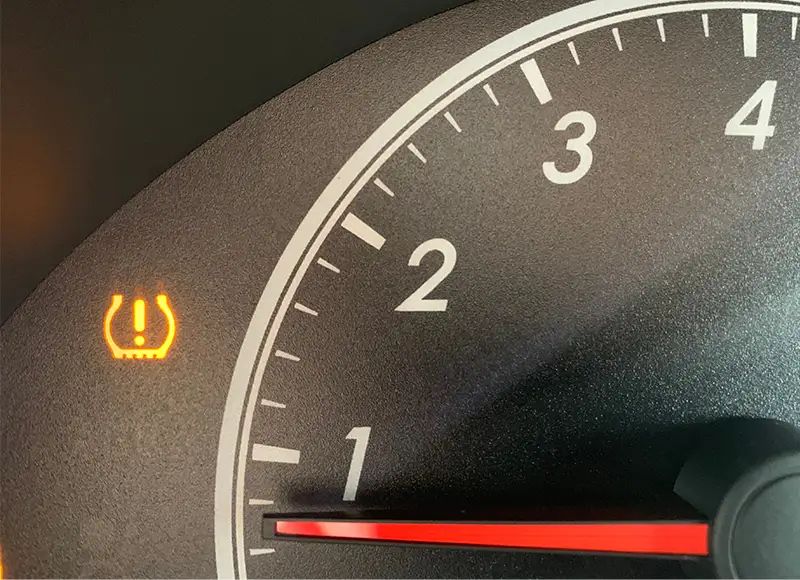
If you've ever seen a small warning light shaped like a cross-section of a tire pop up on your dashboard, that's from your vehicle's tire pressure monitoring system, or TPMS. This system plays an important role in keeping you safe on the road, and understanding how it works can help you know what to do when it comes on when you're driving around Bellevue, Wash. 

What Is TPMS and How Does It Work? 

TPMS is an electronic system designed to monitor the air pressure in your tires and alert you when one or more tires drop below a safe threshold. Most Hondas use a direct TPMS setup, which means each wheel has its own sensor that transmits real-time tire pressure data to your vehicle's onboard computer. When tire pressure drops roughly 25 percent below the recommended level, the TPMS warning light comes on. 

The sensors are battery-powered and typically last several years, but they do require maintenance over time. 

What to Pay Attention to When the Light Comes On 

When you see a TPMS warning, don't ignore it. A steady light usually indicates that one or more tires have low tire pressure. A flashing light, on the other hand, often signals a sensor malfunction rather than a pressure issue. 

Check all four tires with a manual gauge to verify your tire pressure levels. Even if one tire looks visually fine, it may still be underinflated. Temperature changes are a common reason tire pressure drops - cold weather can cause tire pressure to decrease noticeably, especially during seasonal shifts in the Pacific Northwest. 

How to Maintain Your TPMS 

Routine maintenance is the best way to keep your TPMS functioning properly. Check your tire pressure at least once a month and always before long drives. The correct tire pressure for your Honda is listed on the sticker inside the driver's side door jamb, not on the sidewall of the tire itself. 

When you rotate your tires or have new ones installed, the TPMS sensors may need to be reset or reprogrammed. If a sensor battery dies or a sensor becomes damaged during a tire change, it will need to be replaced by a certified technician. Neglecting sensor maintenance can result in inaccurate readings or a persistent warning light. 

When to See a Technician 

If your TPMS light stays on after you've inflated your tires to the correct pressure, or if it flashes continuously, it's time to schedule a service appointment. This typically indicates a sensor issue that needs professional diagnosis. Trying to drive long-term with a malfunctioning TPMS means losing the safety benefits the system is designed to provide. 

Trust Honda Auto Center of Bellevue With Your TPMS System 

Your TPMS is a simple but essential safety feature that keeps tabs on tire pressure so you don't have to guess. Knowing how it works, responding quickly when the warning light comes on, and keeping up with routine sensor maintenance will help you get the most out of this system. If your Honda's TPMS light is on or you're unsure about the condition of your sensors, drop by and see the service experts at Honda Auto Center of Bellevue or schedule a service appointment with a trained Honda technician.

Posted in:

Related Posts

Tires FAQ: Essential Information Every Vehicle Owner Should Know

Tires FAQ: Essential Information Every Vehicle Owner Should Know

Maintaining your tires is a critical part of vehicle safety, performance, and efficiency. At Honda Auto Center of Bellevue in Bellevue, WA, we understand that many drivers have questions about tires, from reading sidewall codes to recognizing wear patterns and understanding maintenance schedules. This guide addresses the most common inquiries and provides detailed insights to help you make informed decisions about tire care. What Do the Numbers and Codes on My Tire Mean? Every tire carries a series of numbers and letters on its sidewall that convey important specifications. Interpreting these correctly ensures proper tire replacement and vehicle performance. Passenger vs. Light Truck Tires: The initial letter, such as “P” for passenger vehicles or “LT” for light trucks, indicates the type of vehicle for which the tire is designed. Width and Aspect Ratio: The three-digit number following the letter represents the tire’s width in millimeters, while the number after the slash shows the aspect ratio, comparing sidewall height to width. Construction and Diameter: The “R” indicates radial construction, and the final number denotes wheel diameter in inches. Load Index and Speed Rating: A combination of numbers and letters near the end specifies maximum load capacity and speed capability. more Proper understanding of these codes ensures that replacements match your vehicle’s original specifications, maintaining safety, handling, and fuel efficiency. How Often Should You Rotate Tires? Tire rotation is a preventive maintenance step that extends the life of your tires and ensures even wear. Uneven wear can affect braking, handling, and fuel economy. Recommended Intervals: Most manufacturers suggest rotating tires every 5,000 to 7,500 miles. Integrating rotations with routine oil changes makes scheduling convenient. Wear Patterns: Front-wheel-drive vehicles often experience faster wear on front tires due to steering and power delivery. Rear tires typically wear more slowly. Rotation Methods: Patterns include forward cross, rearward cross, and X-pattern rotations depending on drivetrain type. Proper rotation keeps all tires performing optimally. Regular tire rotation prevents early replacement and maintains consistent traction across all four tires. How Can I Tell When My Tires Need Replacement? Identifying when tires require replacement is crucial for safety and performance. Several indicators help determine tire condition: Tread Depth: The penny test remains a simple method—if Lincoln’s head is fully visible when inserted into the tread, replacement is necessary. Age: Rubber degrades over time regardless of mileage. Most manufacturers recommend replacement after six years. Uneven Wear: Unequal tread patterns can indicate alignment or suspension issues that need professional attention. Visible Damage: Bulges, cracks, or sidewall damage are warning signs of internal deterioration. Recognizing these signs early allows for timely intervention, reducing the risk of blowouts and improving vehicle handling. What Are the Most Common Tire Problems and How Can I Address Them? Tires are subject to multiple stressors from the road and driving conditions. Understanding common problems helps prevent accidents and costly repairs: Flat Tires: If a tire fails while driving, maintain control, slow gradually, and move to a safe location. Use a spare if equipped, or contact roadside assistance. Vibration or Shaking: This may indicate unbalanced tires, misalignment, or suspension issues. Immediate inspection prevents additional wear. Slow Leaks: Regularly check tire pressure and look for punctures. Low pressure affects handling, fuel economy, and tire longevity. Overheating and Wear: Excessive heat from underinflation or towing can accelerate wear. Proper maintenance and tire pressure monitoring are essential. Professional inspections help address issues before they become hazardous or lead to uneven wear patterns. How Does Home Maintenance Support Tire Longevity? Routine care at home enhances tire life and performance: Monitor Tire Pressure: Maintain recommended PSI for consistent handling and fuel efficiency. Check Alignment: Misaligned wheels can cause rapid, uneven wear. Inspect for Damage: Look for cuts, punctures, and sidewall cracks. Clean and Rotate: Removing debris and rotating tires regularly maintains optimal performance. Combining these practices with professional checks ensures your tires remain safe and reliable throughout their lifecycle. How Do I Select the Right Tires for My Vehicle? Choosing the proper tires depends on your vehicle type, driving habits, and local climate conditions: All-Season vs. Seasonal Tires: All-season tires offer year-round performance, while winter tires improve traction in snow and ice. Load and Speed Ratings: Match ratings to your vehicle specifications to maintain safety and performance. Tread Patterns: Directional, asymmetric, and symmetric treads offer distinct benefits in traction, handling, and noise reduction. Consulting our technicians ensures the selection aligns with your driving needs and the specifications recommended by the manufacturer. When Should I Schedule Tire Inspection and Maintenance? Maintaining tires is a key factor in overall vehicle safety and performance. At Honda Auto Center of Bellevue, our certified technicians provide detailed tire inspections, rotations, balancing, and alignment services to ensure your vehicle is safe and road-ready. Drivers throughout Bellevue, WA, can rely on our team to extend tire life, optimize performance, and prevent avoidable issues. Regular maintenance not only enhances safety but also helps you maximize your investment in your tires and vehicle.

Car Odor FAQs: What That Smell Means and How to Fix It

Car Odor FAQs: What That Smell Means and How to Fix It

It's never great when you get into your car and notice that something smells off. In many cases, an unfamiliar odor in your car is your vehicle's way of telling you that something needs attention. From musty interiors to sharp chemical smells, understanding what you're dealing with can help you act quickly and avoid bigger problems down the road. Keep reading for a look at what might be causing that smell in your car in Bellevue, Wash. What Are the Most Common Car Odors and What Do They Mean? Different odors can mean different things. A sweet, syrupy smell often indicates a coolant leak, which can be a sign of a failing radiator or heater core. A rotten egg or sulfur smell may point to a problem with your catalytic converter or a fuel system issue. If you notice a burning smell, it could be related to overheating brakes, a slipping clutch, or even an electrical issue. A musty or moldy smell is typically connected to moisture buildup in the cabin - often linked to a clogged cabin air filter or water intrusion. How Do I Get Rid of Bad Smells in My Car? Getting rid of car odor depends on the source. For musty or mildew smells, replacing a dirty cabin air filter is often the most effective step. A fresh air filter helps restore proper airflow and reduces the conditions that allow mold and bacteria to grow. For food or pet odors, a thorough vacuuming and a fabric-safe odor eliminator is a good idea. For mechanical smells like burning or sulfur, the fix usually requires a visit to a service technician who can diagnose and repair the underlying issue. Don't try to mask those smells - address them directly. Are Some Car Odors a Sign of a Safety Issue? Yes, and it's important to take them seriously. A gasoline smell inside the cabin could indicate a fuel leak, which is a fire hazard. A burning plastic or rubber smell might mean an electrical short or a component making unintended contact with heat. If you ever smell something sharp and chemical inside your vehicle while the heat or air conditioning is running, turn off the system and have it inspected. Carbon monoxide has no odor, but exhaust smells inside the car are a warning sign that fumes may be entering the cabin - roll down your windows and get your vehicle checked right away. How Can I Prevent Car Odors? Prevention goes a long way when it comes to keeping your car smelling fresh. Replacing your cabin air filter on schedule - typically every 15,000 to 25,000 miles - is one of the simplest and most effective things you can do. A clean air filter keeps allergens, dust, and bacteria from circulating through your vents. You should also avoid leaving food, damp clothing, or wet gear in your car for extended periods. Running your air conditioning periodically, even in cooler months, helps prevent moisture from settling in the system. Regular interior cleanings and prompt attention to any spills also make a big difference. When Should I Bring My Car In for a Smell-Related Concern? If the odor is chemical, burning, or related to fluids, it's best not to wait. A quick inspection can help rule out anything serious and give you peace of mind. Drivers throughout Bellevue, WA, can schedule a service visit with the team at Honda Auto Center of Bellevue for a thorough look at what's causing the smell. If it's a routine air filter swap or a more involved repair, addressing car odor early is always the smarter move.

Roadside Assistance and Car Breakdown Help: What to Do When Your Vehicle Stops Running

Roadside Assistance and Car Breakdown Help: What to Do When Your Vehicle Stops Running

A vehicle breakdown can happen unexpectedly, whether you are commuting through Seattle traffic, traveling across Bellevue, or heading out on a longer road trip. Knowing what steps to take when your car stops working can help you stay safe and get the support you need as quickly as possible. Roadside assistance services are designed to provide drivers with help during unexpected vehicle issues. From a dead battery and flat tire to lockouts and towing needs, roadside support offers solutions that can help you get back on the road or safely transport your vehicle for additional service. For drivers throughout Bellevue, WA, and the surrounding Seattle area, having access to dependable car breakdown help provides added confidence during everyday driving. Understanding common roadside emergencies and available assistance options can make stressful situations easier to manage. What Should I Do If My Car Breaks Down? When a vehicle stops operating properly, the first priority is safety. Moving to a secure location and assessing the situation can help prevent additional risks while waiting for assistance. Whether your vehicle loses power, experiences a mechanical issue, or develops a tire problem, staying calm and following the right steps is important. more If your car breaks down, consider these steps: Move your vehicle away from traffic when possible and turn on hazard lights. Remain aware of your surroundings, especially when stopped near busy roads. Contact roadside assistance for professional help. Provide your location, vehicle details, and a description of the issue. Avoid attempting repairs in unsafe conditions. Modern vehicles include many advanced systems designed to improve reliability, but unexpected problems can still occur. Regular maintenance, inspections, and timely service can reduce the likelihood of breakdowns, but roadside assistance remains an important resource when problems happen. What Does Roadside Assistance Cover? Roadside assistance provides support for many common vehicle emergencies. The exact services available may vary depending on your coverage, vehicle ownership benefits, or service provider, but most programs are designed to address common situations drivers experience. Car breakdown help may include: Towing services when a vehicle cannot be safely driven. Battery jump-start assistance for vehicles with a discharged battery. Flat tire assistance when a tire needs replacement or repair. Lockout assistance if keys are accidentally locked inside the vehicle. Fuel delivery assistance when a vehicle runs out of fuel. Help locating additional automotive services when needed. These services can be especially valuable during inconvenient situations, such as early morning commutes, nighttime driving, or long-distance travel. Having access to roadside support helps drivers know they have options when their vehicle needs immediate attention. How Can I Prevent a Car Breakdown? While some vehicle problems are unavoidable, routine maintenance can help identify potential issues before they lead to unexpected breakdowns. Following recommended service intervals helps keep important vehicle systems operating properly. Many breakdown-related problems are connected to components that require regular inspection, including batteries, tires, fluids, and braking systems. Addressing small concerns early can help prevent larger issues in the future. Drivers can help reduce breakdown risks by: Checking tire pressure regularly and monitoring tire condition. Following recommended oil change schedules. Inspecting battery condition and electrical connections. Maintaining proper fluid levels. Paying attention to unusual noises, warning lights, or performance changes. Professional service technicians can also identify wear and maintenance needs during routine appointments. Regular visits to a trusted service department help keep vehicles prepared for daily driving conditions throughout Bellevue and Seattle. What Are Common Reasons Cars Need Roadside Assistance? Vehicle breakdowns can happen for many reasons, ranging from simple issues to more complex mechanical concerns. Understanding common causes can help drivers recognize warning signs and take preventative action. Some of the most common reasons drivers request roadside assistance include: Dead or weak batteries caused by age, weather, or electrical issues. Flat tires caused by punctures, damage, or worn tread. Engine problems that prevent normal vehicle operation. Overheating caused by cooling system concerns. Lost keys or accidental vehicle lockouts. Running out of fuel during travel. Battery issues are among the most frequent causes of roadside service calls. Temperature changes, frequent short trips, and vehicle age can affect battery performance over time. Routine battery inspections can help determine when replacement or service may be needed. Why Is Reliable Car Breakdown Help Important in Seattle? Driving conditions throughout the Seattle area can vary depending on traffic, weather, and travel distance. A vehicle issue during a busy commute or on an unfamiliar road can create additional challenges without access to reliable assistance. Roadside assistance provides support when drivers need immediate help. Instead of attempting potentially unsafe repairs or arranging transportation on their own, drivers can connect with professionals who understand how to handle vehicle emergencies. Reliable roadside support is valuable because it provides: Assistance during unexpected vehicle problems. Professional support when a vehicle cannot continue driving. Added confidence during daily commutes and road trips. Help coordinating towing or additional service needs. Peace of mind for drivers and passengers. Having a plan before an emergency happens allows drivers to respond more effectively when their vehicle requires attention. How Does Vehicle Maintenance Support Roadside Reliability? Routine vehicle maintenance plays an important role in reducing unexpected problems. A properly maintained vehicle is better prepared for everyday driving demands, changing weather conditions, and longer trips. Service appointments allow technicians to inspect important components and identify potential concerns. Maintenance services such as oil changes, tire rotations, brake inspections, and battery checks help support vehicle performance over time. Important maintenance services include: Oil and filter changes to support engine performance. Tire inspections to maintain proper handling and safety. Brake checks to monitor wear and performance. Battery testing to identify charging concerns. Fluid inspections to support vehicle systems. Maintaining your vehicle does not eliminate every possible issue, but it can help address problems before they become larger concerns. A consistent service schedule is one of the best ways to support dependable transportation. Unexpected vehicle problems can be frustrating, but knowing where to turn for help can make the experience easier. Roadside assistance provides valuable support for common emergencies, while routine maintenance helps drivers stay prepared for the road ahead. Honda Auto Center of Bellevue supports drivers in Bellevue and the Seattle area with automotive expertise, vehicle service resources, and helpful guidance. Whether you need car breakdown help, routine maintenance, or information about keeping your vehicle dependable, the dealership team is available to assist. Schedule your next service appointment and keep your vehicle ready for every drive.