

Honda Auto Center
of Bellevue

Blog / Bellevue Honda Service

Tires FAQ: Essential Information Every Vehicle Owner Should Know

Tires FAQ: Essential Information Every Vehicle Owner Should Know

Maintaining your tires is a critical part of vehicle safety, performance, and efficiency. At Honda Auto Center of Bellevue in Bellevue, WA, we understand that many drivers have questions about tires, from reading sidewall codes to recognizing wear patterns and understanding maintenance schedules. This guide addresses the most common inquiries and provides detailed insights to help you make informed decisions about tire care.

What Do the Numbers and Codes on My Tire Mean?

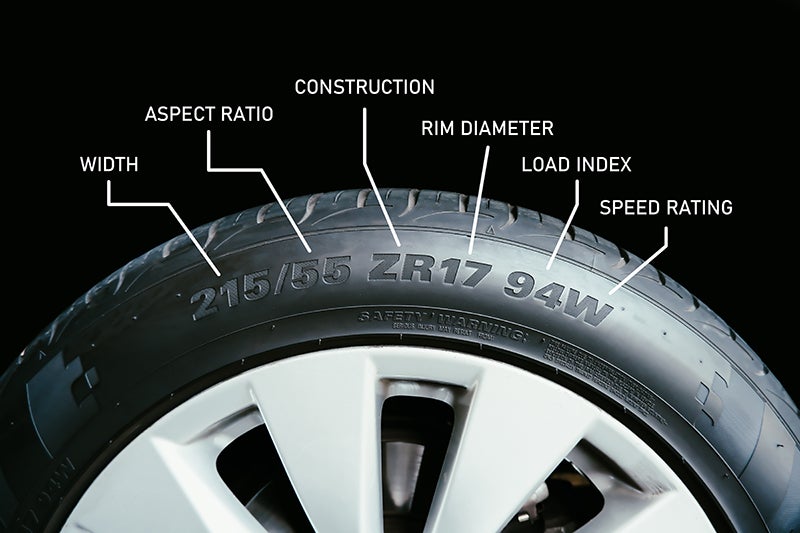
Every tire carries a series of numbers and letters on its sidewall that convey important specifications. Interpreting these correctly ensures proper tire replacement and vehicle performance.

  • Passenger vs. Light Truck Tires: The initial letter, such as “P” for passenger vehicles or “LT” for light trucks, indicates the type of vehicle for which the tire is designed.
  • Width and Aspect Ratio: The three-digit number following the letter represents the tire’s width in millimeters, while the number after the slash shows the aspect ratio, comparing sidewall height to width.
  • Construction and Diameter: The “R” indicates radial construction, and the final number denotes wheel diameter in inches.
  • Load Index and Speed Rating: A combination of numbers and letters near the end specifies maximum load capacity and speed capability.

Proper understanding of these codes ensures that replacements match your vehicle’s original specifications, maintaining safety, handling, and fuel efficiency.

How Often Should You Rotate Tires?

Tire rotation is a preventive maintenance step that extends the life of your tires and ensures even wear. Uneven wear can affect braking, handling, and fuel economy.

  • Recommended Intervals: Most manufacturers suggest rotating tires every 5,000 to 7,500 miles. Integrating rotations with routine oil changes makes scheduling convenient.
  • Wear Patterns: Front-wheel-drive vehicles often experience faster wear on front tires due to steering and power delivery. Rear tires typically wear more slowly.
  • Rotation Methods: Patterns include forward cross, rearward cross, and X-pattern rotations depending on drivetrain type. Proper rotation keeps all tires performing optimally.

Regular tire rotation prevents early replacement and maintains consistent traction across all four tires.

How Can I Tell When My Tires Need Replacement?

Identifying when tires require replacement is crucial for safety and performance. Several indicators help determine tire condition:

  • Tread Depth: The penny test remains a simple method—if Lincoln’s head is fully visible when inserted into the tread, replacement is necessary.
  • Age: Rubber degrades over time regardless of mileage. Most manufacturers recommend replacement after six years.
  • Uneven Wear: Unequal tread patterns can indicate alignment or suspension issues that need professional attention.
  • Visible Damage: Bulges, cracks, or sidewall damage are warning signs of internal deterioration.

Recognizing these signs early allows for timely intervention, reducing the risk of blowouts and improving vehicle handling.

What Are the Most Common Tire Problems and How Can I Address Them?

Tires are subject to multiple stressors from the road and driving conditions. Understanding common problems helps prevent accidents and costly repairs:

  • Flat Tires: If a tire fails while driving, maintain control, slow gradually, and move to a safe location. Use a spare if equipped, or contact roadside assistance.
  • Vibration or Shaking: This may indicate unbalanced tires, misalignment, or suspension issues. Immediate inspection prevents additional wear.
  • Slow Leaks: Regularly check tire pressure and look for punctures. Low pressure affects handling, fuel economy, and tire longevity.
  • Overheating and Wear: Excessive heat from underinflation or towing can accelerate wear. Proper maintenance and tire pressure monitoring are essential.

Professional inspections help address issues before they become hazardous or lead to uneven wear patterns.

How Does Home Maintenance Support Tire Longevity?

Routine care at home enhances tire life and performance:

  • Monitor Tire Pressure: Maintain recommended PSI for consistent handling and fuel efficiency.
  • Check Alignment: Misaligned wheels can cause rapid, uneven wear.
  • Inspect for Damage: Look for cuts, punctures, and sidewall cracks.
  • Clean and Rotate: Removing debris and rotating tires regularly maintains optimal performance.

Combining these practices with professional checks ensures your tires remain safe and reliable throughout their lifecycle.

How Do I Select the Right Tires for My Vehicle?

Choosing the proper tires depends on your vehicle type, driving habits, and local climate conditions:

  • All-Season vs. Seasonal Tires: All-season tires offer year-round performance, while winter tires improve traction in snow and ice.
  • Load and Speed Ratings: Match ratings to your vehicle specifications to maintain safety and performance.
  • Tread Patterns: Directional, asymmetric, and symmetric treads offer distinct benefits in traction, handling, and noise reduction.

Consulting our technicians ensures the selection aligns with your driving needs and the specifications recommended by the manufacturer.

When Should I Schedule Tire Inspection and Maintenance?

Maintaining tires is a key factor in overall vehicle safety and performance. At Honda Auto Center of Bellevue, our certified technicians provide detailed tire inspections, rotations, balancing, and alignment services to ensure your vehicle is safe and road-ready. Drivers throughout Bellevue, WA, can rely on our team to extend tire life, optimize performance, and prevent avoidable issues.

Regular maintenance not only enhances safety but also helps you maximize your investment in your tires and vehicle.


Posted in:

Related Posts

Engine Support Hardware: Good Engineering Keeps Everything in Its Place

What Is an Engine Support Bar? Honda FAQ

Engine Support Hardware: Good Engineering Keeps Everything in Its Place Some of the most successful components in a vehicle are the ones a driver never notices. Engine-support hardware falls neatly into that category. The engine produces vibration and rotational forces as it operates, yet those movements must be controlled without making the vehicle feel harsh or transmitting unnecessary vibration into the cabin. Honda achieves this through an integrated mounting and support arrangement rather than relying on one component in isolation. If a technician mentions an engine support bar or related support hardware, its precise form and function depend on the Honda, but the underlying principle is simple: locate the powertrain correctly and control its movement. Supporting an Engine Requires Control, Not Absolute Rigidity An engine cannot simply be fixed solidly to the surrounding structure. It needs controlled movement because combustion, acceleration, and changes in load generate forces that have to go somewhere. Engine mounts, brackets, bushings, and related structural components work together to manage those forces while maintaining the correct position of the powertrain. The clever part isn't preventing every movement. It's allowing enough compliance to isolate unwanted vibration while restricting movement that could affect surrounding components. When everything is working correctly, the driver shouldn't spend much time thinking about any of it. The Surrounding Components Are Part of the Design Powertrain support isn't an isolated problem. Hoses, wiring, exhaust connections, and other components occupy the same tightly packaged space, and excessive engine movement can place additional stress on them. That's why diagnosing a support concern means examining the complete arrangement rather than simply replacing the most obvious bracket. A Honda engine-mount inspection can help determine where unwanted movement originates and if associated components have been affected. Good engineering depends on components working as a system; good servicing should approach them the same way. Inspection Makes More Sense Than Routine Replacement Structural support hardware generally isn't something replaced according to a simple mileage interval. Condition is more useful. During routine Honda maintenance or a Multi-Point Inspection, technicians can look for visible damage, deterioration, looseness, or concerns involving related mounts and bushings. Rubber components are particularly important because they help isolate vibration while maintaining controlled support. If they deteriorate, the vehicle may begin communicating more of the engine's movement to the cabin. The component hasn't become more noticeable because it suddenly has a new function. You're noticing it because the original design is no longer working as intended. Vibration Is Information, but It Isn't a Diagnosis An increase in vibration, clunking or thudding noises, or unusual movement during starting, acceleration, or gear changes can justify an inspection. Visible damage or loose mounting hardware also deserves attention. But these symptoms don't automatically identify one support component as the cause. Engine mounts and related hardware should be considered together, and other mechanical issues can produce similar sensations. Honda service diagnostics can identify the source instead of turning an unfamiliar noise into an expensive exercise in replacing parts until it disappears. The Best Support System Is the One You Don't Notice There is a pleasing logic to properly designed engine support. It controls considerable mechanical forces yet should contribute almost nothing obvious to the driving experience. Honda Auto Center of Bellevue can help Bellevue, WA, drivers with engine-mount inspections, vibration diagnostics, Multi-Point Inspections, routine Honda maintenance, and related service needs. If your Honda has developed unusual vibration, clunking, or changes in the way the powertrain feels during acceleration or gear changes, review available service specials and have the complete system inspected. Schedule a Honda service appointment online before things get even worse.

Honda Ignition Coils: Small Parts Doing High-Voltage Work

Ignition Coil: What It Is and When to Replace It

Honda Ignition Coils: Small Parts Doing High-Voltage Work An ignition coil doesn't look terribly impressive. It's compact, usually hidden beneath an engine cover, and spends its life performing the same basic task thousands of times a minute. But that task is essential: take the battery's relatively low voltage and transform it into the much higher voltage required for the spark plug to ignite the air-fuel mixture inside the cylinder. When a coil stops doing that properly, the engine doesn't disguise the problem particularly well. Around Bellevue, rough running, reduced performance, and a check engine light can follow because one cylinder is no longer contributing as it should. The Coil Sits Between Electricity and Combustion Most modern Honda vehicles use a coil-on-plug arrangement, with an individual ignition coil positioned directly at each spark plug. This removes the need for the older arrangement of one coil distributing spark through additional ignition components. Each coil supplies the voltage needed for its cylinder's spark plug to fire, and that spark begins combustion. The advantage from a diagnostic standpoint is that problems can often be traced to an individual cylinder. Still, knowing which cylinder is misfiring doesn't automatically identify which component caused the misfire. That's where proper Honda engine diagnostics become useful. Ignition Coils Don't Have Much Scheduled Maintenance There generally isn't an ignition-coil replacement interval comparable to an oil change. The coils stay in service as long as they're operating correctly. The condition of related components is more important. Worn or fouled spark plugs can place additional demand on the ignition system, so replacing plugs according to the appropriate Honda maintenance schedule helps keep the system operating as designed. Routine maintenance and a Multi-Point Inspection can also provide opportunities to identify other engine concerns before they start producing more noticeable symptoms. The goal isn't to replace coils early. It's to avoid making good coils compensate for neglected components around them. A Misfire Is Something You Can Usually Feel A failing coil may produce a rough or shaky idle because one cylinder isn't combusting properly. The same problem can become more obvious during acceleration, when the engine is being asked to produce more power. A check engine light may accompany the symptoms, and diagnostic trouble codes in the P030X family can identify a cylinder experiencing a misfire. But that code describes what's happening, not necessarily why. Spark plugs, ignition coils, wiring, electrical connections, and other engine problems can produce misfire symptoms. Replacing the coil simply because its cylinder number appears in a diagnostic code skips an important part of the job: confirming the cause. Don't Give a Misfire Time to Create Another Problem An engine that continues misfiring isn't merely irritating. Poor combustion can affect performance and fuel consumption, while unburned fuel entering the exhaust can create additional problems elsewhere in the emissions system. If your Honda develops a persistent rough idle, hesitation, reduced acceleration, or an illuminated check engine light, scheduling a diagnostic inspection is more sensible than waiting to see if the engine somehow negotiates a settlement with itself. Catching the cause early can also help distinguish a failed coil from a simpler connection or related maintenance issue. Replace the Failed Component, Not the Suspected One Honda Auto Center of Bellevue can help Bellevue, WA, drivers with check engine light diagnostics, ignition-system inspections, spark plug service, Multi-Point Inspections, and other Honda maintenance. If your Honda is running rough, hesitating, or displaying a warning light, review available service specials and schedule a service appointment online today.

Your Honda's Catalytic Converter Has a Dirty Job, and That's the Point

Catalytic Converter: What Honda Owners Should Know

Your Honda's Catalytic Converter Has a Dirty Job, and That's the Point Somewhere between your Honda's engine and tailpipe sits a metal canister assigned a thoroughly unpleasant task. The engine burns fuel. Combustion produces exhaust gases. The catalytic converter takes some of the nastier products of that process and chemically converts them into less harmful emissions before they leave the exhaust. Nobody starts the car in the morning and thinks, “I hope the catalytic converter is having a productive day.” That's the arrangement. It works in heat, underneath the vehicle, largely unnoticed—right up until something goes wrong. It's a Chemical Workshop Bolted into the Exhaust Inside the converter is a honeycomb-like substrate coated with catalytic materials that can include platinum, palladium, and rhodium. As hot exhaust passes through, chemical reactions convert carbon monoxide, hydrocarbons, and nitrogen oxides into less harmful gases including carbon dioxide, nitrogen, and water vapor. There are no pistons pumping away inside it and no maintenance fluid to change. It's essentially chemistry happening at exhaust temperature. When the engine and emissions system are operating correctly, the converter simply keeps doing the job it was built to do. The Converter Often Gets Damaged by Somebody Else's Problem Here's the important bit: catalytic converters generally don't require routine maintenance of their own. Protecting one means maintaining the systems upstream of it. An engine misfire can allow unburned fuel into the exhaust, where that fuel can create excessive heat in the converter. Oil or coolant entering the combustion process can contaminate the internal substrate. Suddenly the expensive exhaust component looks guilty when the original trouble began somewhere else entirely. Staying current with Honda maintenance, oil changes, applicable spark plug service, and other scheduled work can help technicians catch problems before they become problems for the converter too. A Warning Light Is a Request for Diagnosis, Not a Parts Order A check engine light, unusual exhaust odor, reduced performance, sluggish acceleration, or rattling from beneath the vehicle can justify an inspection, but none automatically proves the catalytic converter has failed. Modern engine and emissions systems involve sensors, fuel delivery, ignition components, exhaust hardware, and electronic controls all trying to keep combustion within the expected operating range. Honda engine diagnostics can help identify which part of that chain isn't doing its job. Replacing an expensive converter before finding the original cause is a fine way to buy the same repair twice. Find the Cause Before the Heat Does the Damage If an engine is misfiring, burning oil, losing coolant, or experiencing another combustion-related problem, continuing to drive can give the converter more abuse than it was designed to tolerate. That's why a check engine light or noticeable change in engine performance deserves attention. A Multi-Point Inspection during routine service can also provide an opportunity to identify visible concerns, while dedicated emissions-system diagnostics can investigate specific warning lights or performance symptoms. There Is No Oil Change for a Catalytic Converter You don't replace a catalytic converter every 30,000 miles because a sticker says so. It isn't that kind of component. Its service life depends heavily on the condition of the engine and emissions systems feeding exhaust through it. The better strategy is less dramatic: follow the Honda maintenance schedule, address warning lights promptly, and investigate abnormal engine operation instead of hoping it develops a sense of personal responsibility. Preventive maintenance isn't about replacing good components. It's about keeping good components from being destroyed by bad ones. Take Care of the Problem That Causes the Problem Honda Auto Center of Bellevue can help Bellevue, WA, drivers with check engine light diagnostics, emissions-system inspections, oil changes, scheduled Honda maintenance, Multi-Point Inspections, and related engine service. If your Honda has developed unusual exhaust odors, rattling, reduced performance, or an illuminated check engine light, have the system diagnosed before assuming the converter itself needs replacement. Review available service specials and schedule a Honda service appointment online if needed now.