
Honda Auto Center
of Bellevue

Blog / Honda Auto Center of Bellevue Service

Blog

All Honda Auto Center of Bellevue Service Bellevue Honda Dealer Honda Auto Center of Bellevue Honda Cars 2026 Bellevue Honda Service FAQs 2025 2026 CR-V 2026 Accord Hybrid 2026 Hybrids 2025 Civic 2026 CR-V Hybrid 2026 Honda Ridgeline 2026 Odyssey 2026 Passport 2026 Pilot Honda Warranties 2025 Civic Hybrid 2025 CR-V 2025 HR-V 2025 Pilot 2026 Civic Hybrid 2026 Civic Sedan 2026 EV 2026 Prologue Air Conditioning Bellevue Used Cars Brakes CPO Oil Tires
Brakes FAQ: What Are the Signs of Failing Brakes?

What Makes Up Your Brake System?

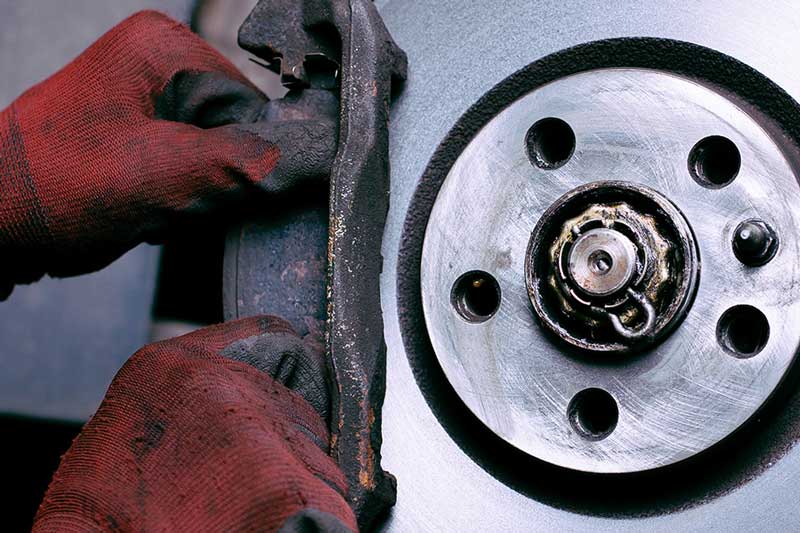
Your brakes are one of the most important safety systems in your vehicle, especially when driving through Bellevue traffic, wet roads, or changing highway conditions. Honda Auto Center of Bellevue created this guide to help drivers understand the main parts of the brake system, how they work together, and which warning signs may indicate a need for service. The brake system has many connected parts, and each part has a specific job to stop the vehicle. Understanding these parts helps drivers find problems early. People who drive in Bellevue, WA, need working brakes for wet roads. What Are the Main Components of a Brake System? Brake Pads: These are parts that people replace often. They press against the rotor to create friction, and this slows the car. The material on the pads wears down over time. Most pads have a 1 metal wear indicator that makes a noise when the pads are thin. Brake Rotors: This is a flat metal disc that spins with the wheel. When a driver presses the pedal, the pads clamp the rotor to stop the car. Rotors can warp if a driver brakes too hard or too often. Brake Calipers: This part holds the brake pads. It has a piston that pushes the pads against the rotor using fluid pressure. If a caliper sticks, it can cause uneven braking or fast wear on 1 side. Brake Lines and Hoses: Fluid moves from the master cylinder to the calipers through metal lines and rubber hoses. These carry the pressure that makes the brakes work. Cracks or leaks in these lines can stop the brakes from working. Master Cylinder: This is the main part of the fluid system. When a person presses the pedal, it pushes fluid through the lines to each wheel. A bad master cylinder can make the pedal feel soft. Brake Fluid: This fluid moves force from the pedal to the calipers. It absorbs water over time, and this can lower the boiling point. This change reduces how well the brakes work. ABS Module: This part monitors how fast the wheels spin. It stops the wheels from locking during hard braking. This helps the driver keep control of the steering. A light on the dash shows if there is a problem. What Controls the Brake System? The systems that manage braking force are as important as the physical parts. The Brake Pedal: This is the main input for the driver. When it is pressed, it starts the pressure in the brake lines. Brake Booster: Most cars use a booster to increase the force from the driver's foot. Without it, stopping the car would be very hard. If the booster fails, the pedal will feel very stiff. ABS and Electronic Stability Control: These electronic systems adjust braking force at each wheel. ABS stops wheels from locking, and ESC applies brakes to keep the car stable on slippery roads. Parking Brake: This is a separate system that holds the car in place when it is parked. It usually works on the back wheels. Drivers should test it often to make sure it holds. What Are the Signs of Failing Brakes? Finding signs of wear early is an important part of car care. Squealing Sounds: A high noise when braking is often the 1st sign of thin pads. A small metal part makes this noise when the pads are low. Grinding Noise: A loud metal noise usually means the pads are gone. This can damage the rotors and must be fixed fast. Soft Brake Pedal: If the pedal feels soft or sinks to the floor, there might be air in the lines. This can also mean the fluid is low. Vibration: A shaking feeling in the pedal or steering wheel can mean the rotors are warped. This happens after the brakes get too hot. Pulling to the Side: If the car moves left or right when braking, a caliper might be stuck. It could also mean the pads are wearing unevenly. Warning Lights: A brake light on the dash should not be ignored. This light can mean the fluid is low or a sensor is broken. Burning Smell: A bad smell after driving can mean the brakes are too hot. This can happen if a caliper is stuck and stays closed. If your brakes squeal, grind, vibrate, feel soft, or trigger a warning light, schedule service with Honda Auto Center of Bellevue. Our technicians can inspect the pads, rotors, calipers, fluid, brake lines, ABS components, and related parts to help keep your vehicle stopping safely on Bellevue, WA roads.

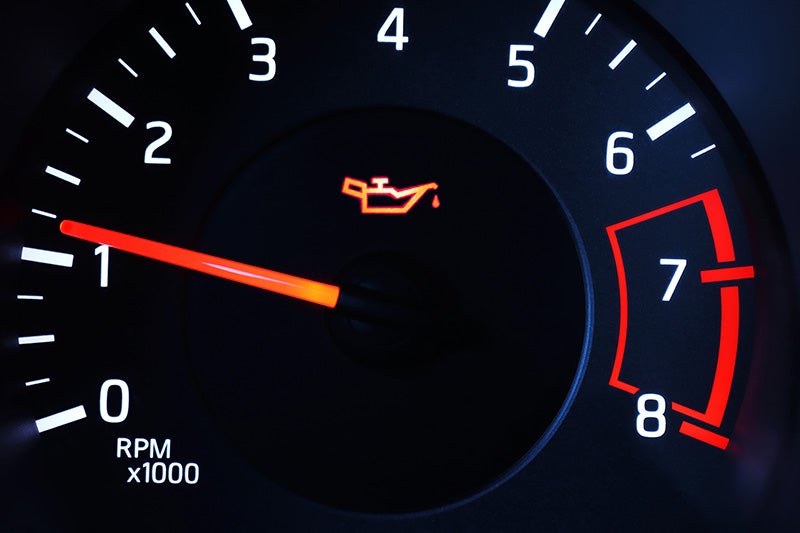
Oil pressure dash light - Why Oil Pressure Matters and Needs to Be Monitored 

Why Oil Pressure Matters and Needs to Be Monitored

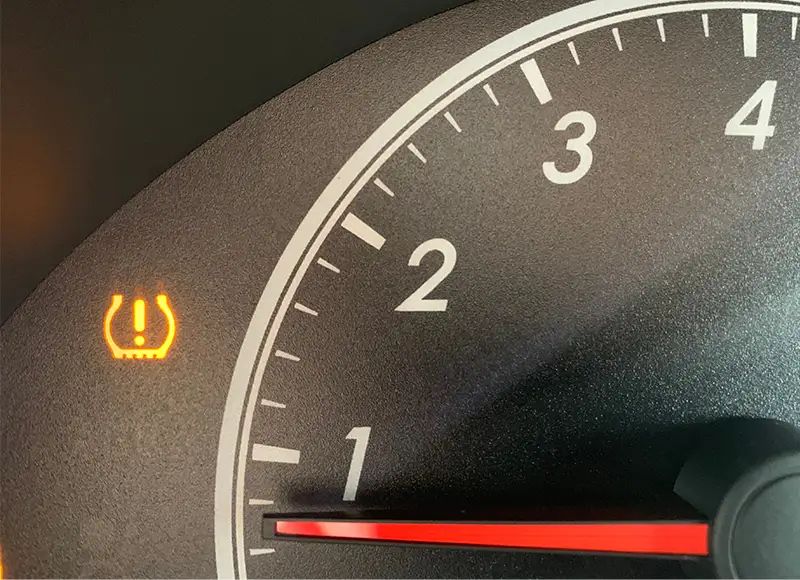
Oil pressure is one of the most vital components of your vehicle's engine, ensuring its longevity and performance. While it may seem like a small detail, maintaining proper pressure is essential to keep your engine running smoothly. If the pressure system fails or drops below its optimal level, you risk causing damage to the engine components, resulting in costly repairs and significant downtime. Let’s explore what oil pressure does, how to identify potential issues, and the best practices for maintenance. What Does Oil Pressure Do in Your Vehicle? Oil pressure plays a crucial role in the operation of your engine. It’s responsible for circulating oil throughout the engine to lubricate moving parts, prevent friction, and ensure smooth performance. Without sufficient oil, parts like pistons, valves, and the crankshaft can suffer from excessive wear, leading to mechanical failure. Lubrication: Oil ensures the engine parts are properly lubricated, reducing metal-on-metal contact, which can lead to overheating and wear. Cooling: Oil also helps cool the engine by carrying heat away from the components and dissipating it through the oil cooler. Cleaning: Oil helps circulate oil through the engine’s filtration system, trapping debris and contaminants to prevent them from causing damage. Sealing: Oil pressure keeps the seals and gaskets in place, preventing leaks and maintaining engine integrity. Without proper oil pressure, all these essential functions are compromised, leading to a significant decrease in engine efficiency and longevity. Signs You Need to Check Your Oil Pressure The oil pressure warning light on your dashboard is the first indicator that something might be wrong with your oil. This warning light can either be steady or flashing, and the nature of the light provides valuable information about the severity of the problem. Steady Oil Dash Light A steady oil light typically means that the system is not reaching the required pressure, but the engine might still be running normally. However, driving for an extended period with low oil pressure can cause serious damage, so it’s important to get the issue checked immediately. Low oil levels, a clogged oil filter, or a faulty oil pump are common causes. Flashing Oil Dash Light A flashing oil light is a more immediate concern and often indicates a more severe issue. If this light flashes while you're driving, stop the vehicle as soon as it's safe to do so and turn off the engine. A flashing light generally means that pressure has dropped dangerously low and could be causing harm to the engine. This could be due to severe oil leakage, a faulty pump, or extreme internal engine wear. If you notice any unusual noises coming from the engine, such as knocking or grinding, it could be an indication of insufficient pressure causing excessive friction. Regular Oil Maintenance Maintaining proper oil pressure requires proactive care and regular maintenance. Here are some key practices to keep your vehicle’s oil at optimal levels: Check Oil Levels Regularly One of the simplest yet most effective ways to maintain oil pressure is by checking your oil levels regularly. Low oil levels can lead to a drop in pressure, which is why it’s important to top up your oil whenever necessary. Always refer to your vehicle’s manual to use the correct type of oil, as the wrong type can also affect oil pressure. Change the Oil and Oil Filter Routine oil and filter changes are essential for maintaining healthy pressure. Over time, oil degrades and becomes less effective at lubricating the engine. Old oil can also become contaminated with debris, which can clog the oil filter and restrict oil flow. Replacing the oil and filter at the manufacturer-recommended intervals will help maintain the necessary pressure levels. Inspect the Oil Pump The oil pump is responsible for circulating oil throughout the engine, and if it malfunctions, oil pressure will drop. If you experience any irregularities in oil pressure, it’s worth having the oil pump inspected. A failing oil pump may require replacement to restore proper oil pressure and prevent further engine damage. Monitor for Oil Leaks Oil leaks are another common cause of low oil pressure. Even a small leak can significantly reduce oil levels and pressure. If you notice oil spots under your vehicle or a burning oil smell, it’s important to inspect the engine for leaks and address them immediately. Seals and gaskets are often the source of oil leaks and may need to be replaced. Why Oil Pressure Maintenance Is Crucial for Engine Health Proper oil maintenance is critical for preserving engine performance and preventing expensive repairs. Neglecting oil issues can lead to: Engine Overheating: Without sufficient oil to lubricate and cool the engine, temperatures can rise quickly, causing internal damage. Component Wear: Low oil pressure increases friction between engine parts, leading to accelerated wear and potentially catastrophic failure of major components. Increased Fuel Consumption: An engine running without adequate lubrication operates less efficiently, which can result in poor fuel economy. In contrast, maintaining optimal oil pressure allows the engine to run smoothly, improve fuel efficiency, and extend the overall lifespan of the vehicle. In summary, oil pressure is a key component of your engine’s performance and longevity. Regular checks of oil levels, timely oil changes, and attention to any warning signs of pressure loss will help ensure your engine runs smoothly for years to come. At Honda Auto Center of Bellevue, we offer expert maintenance and service to help keep your vehicle in optimal condition. If you're unsure about the health of your oil pressure or if you're experiencing any related symptoms, our service team is here to provide a thorough inspection and recommend the best course of action. Don’t wait for the oil pressure light to flash – act now and keep your vehicle running at its best.

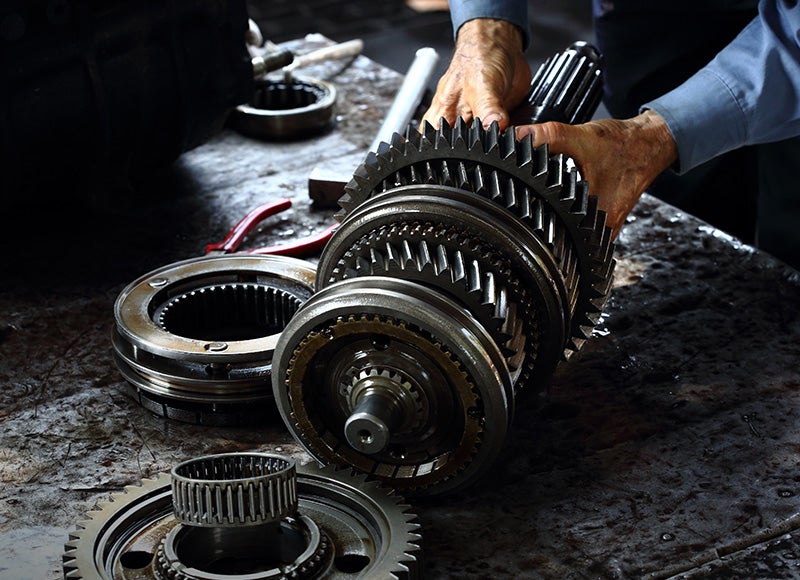
A transmission - Five Benefits of Honda's Extended Warranty Plans

Five Benefits of Honda's Extended Warranty Plans

Honda is renowned for its reliability, but every car needs periodic service to stay at its best. The extended warranty plan from Honda provides comprehensive care and valuable protection. You can find out more about these benefits at your nearest Honda dealership. 1. Comprehensive Extended Warranty Plans The Honda extended warranty is known as Honda Care and operates on an exclusionary basis. This means that everything is included unless specifically stated otherwise. The terms and conditions list any parts that aren't covered by the warranty. This makes Honda Care one of the most comprehensive types of warranty available. more 2. Trusted Honda Care With certified technicians and genuine Honda parts, you won't receive better care than at your local dealership. There may be generic parts that can be used in your Honda, but they won't have the same precise fit. Unauthorized parts will also void your warranty. An extended warranty ensures that you'll continue to receive the same first-rate care from experts who know your Honda inside and out. 3. Extended Warranty Protection While Traveling Whether you drive locally or further afield, you'll have the full protection of Honda with you. The extended warranty includes 24/7 roadside assistance so you can get help whether you break down, run out of fuel, get a flat, or even lock yourself out. If you are more than 100 miles from home, you'll also be eligible to receive $100 per day for meals and lodging, up to a maximum of three days. 4. Transferable Extended Warranty Coverage The extended warranty is perfect for drivers who plan to keep their Honda well beyond the manufacturer warranty period. However, the warranty is also great for drivers who aren't sure of their future car plans because it's transferable. This means if you sell your Honda privately, the warranty can transfer to the new owner. This makes your car more attractive to buyers and boosts its resale value. 5. Peace of Mind Budgeting for maintenance and unplanned repairs can be a concern, but a warranty provides peace of mind. The comprehensive nature of Honda Care means that you don't need to worry about what costs might arise. Honda technicians can help with any service inquiries and provide advice on the best way to look after your car for long-term reliability. Discover More Extended Warranty Benefits The above highlights are just some benefits you can enjoy from the Honda warranty, but there are many more to discover. Speak with your local dealership to discuss your car and get the protection you need. Whether you just want more information or you're ready to take out an extended warranty, we can help. Contact us today at Honda Auto Center of Bellevue in Bellevue, WA for a no-obligation chat.

Keep Your Honda Running Smooth: How to Tell It Needs Maintenance

Keep Your Honda Running Smooth: How to Tell It Needs Maintenance

Scheduling regular Honda maintenance can keep your car running smoothly and extend its lifespan. Recognizing early warning signs allows you to address any problems before they develop into expensive repairs. Your local Honda dealership can help with all routine services, as well as offering expert advice. Honda Maintenance: How to Tell When It's Needed Listen for Unusual Noises Any new or unfamiliar sounds could be an indication that your Honda needs professional attention. This could include knocking, squealing, whistling, grinding, or humming. These types of noises could suggest one of many things, such as worn components, low oil or fluids, or faults within the engine. Honda technicians at your local dealership can run diagnostics to pinpoint the cause. more Monitor Fluid Levels There are multiple fluids that keep your Honda running smoothly, such as coolant, brake fluid, transmission fluid, and oil. If the levels of these fluids drop too low, it can cause damage to components. Regular checks will identify when fluids need to be topped off. It can also help to identify when fluids are dropping quickly, indicating there may be a leak. Visit Your Honda Dealership for Maintenance Ensuring your Honda is serviced at the recommended intervals is one of the easiest ways to keep your car in prime condition. Your owner's manual will confirm the suggested maintenance schedule for your model. You can also get personalized advice from the dealership. Check Tires and Alignment Regularly Keeping your tires properly inflated can optimize fuel efficiency and keep you safe on the road. You should also regularly monitor the tread levels on your tires and be alert for any signs of misalignment, such as pulling to one side or vibration. Be Vigilant for Changes in Performance If you notice a difference in how your Honda is driving, it could indicate that it's time for a service. This could include spongy brake pedals, difficulty starting, or sluggish acceleration. An increase in fuel consumption can also be a sign that things aren't operating efficiently. Scheduling maintenance at the local dealership allows your car to be checked, any worn components replaced, and a general tune-up carried out. Be Mindful of Battery Health Your battery is responsible for running the electrical systems in your Honda, as well as helping the engine to start. Over time, the efficiency of your battery will start to dwindle, and it will eventually need to be replaced. If you notice your car is taking longer to start, the lights are flickering, or the electrics are temperamental, it might be time to get your battery checked. Schedule Honda Maintenance Today If your Honda is due for maintenance or you'd just like some advice about when to schedule it, we can help. Contact our friendly team at Honda Auto Center of Bellevue in Bellevue, WA to speak to professionals you can trust.

Preventative Care: How to Know When Your Honda Needs a Check-Up

Preventative Maintenance: How to Know When Your Honda Needs a Check-Up

An ounce of prevention is better than a pound of cure describes preventative maintenance perfectly. Your Honda maintenance schedule ensures parts that will reach the end of their working life are inexpensively replaced before they fail and cause costly problems. As your Honda dealership, we want to give you some examples of the types of maintenance we provide. Examples of Preventative Maintenance Available at Your Honda Dealership Oil Replacement Oil is essential for your engine as it allows it to work effectively. The oil lubricates and cools countless components, reducing wear and tear so they don't require early replacement. Oil also contains specialized additives that keep the engine clean, break down harmful engine blockages, and prevent rust. On average, oil needs replacement every 7,500 to 10,000 miles. Older oil thickens, becoming slower and less effective due to accumulating dirt and debris from the engine. It can block the oil filter, preventing oil circulation and causing engine damage. Our technicians prevent these issues by draining and replacing the old oil and installing a new oil filter to allow the oil to flow smoothly and freely. more Tire Rotations Regular tire rotations are one of the most effective ways to reduce tire wear and tear. Each tire gradually loses tread thickness due to surface friction, but it also suffers avoidable wear due to its position on your Honda. Each tire position generates a specific wear pattern caused by vehicle weight distribution and the drivetrain. A tire rotation involves shifting each tire to a new position on your vehicle. The positions your tires move to depend on your drivetrain. If you have FWD, your front tires carry most of the weight, so they wear faster. In this situation, your front tires move to the rear positions on their original side, while the rear tires move to the front and switch to opposite sides. This allows all four tires to wear down at a relatively equal rate, allowing them to last longer. Spark Plug Replacement The spark plug's job is to ignite the compressed fuel-air mixture in the engine cylinders. Once fuel and air mix in the intake manifold, the mixture is drawn into the engine cylinders. The intake valves close, and the pistons rise at speed to compress the mixture. When the mixture is sufficiently compressed, the spark plugs spark, igniting the mixture to produce combustion. As time passes, plugs wear out or become damaged. Worn plugs don't ignite the mixture correctly, wasting fuel and causing misfiring or stalling. Continued misfiring will damage the cylinders and pistons. We stop this from happening by replacing the plugs so your engine can continue to run smoothly. Book your preventative maintenance today by contacting us at Honda Auto Center of Bellevue in Bellevue, WA.

Keeping Your Honda's Air Conditioning Optimal

Keeping Your Honda's Air Conditioning Optimal

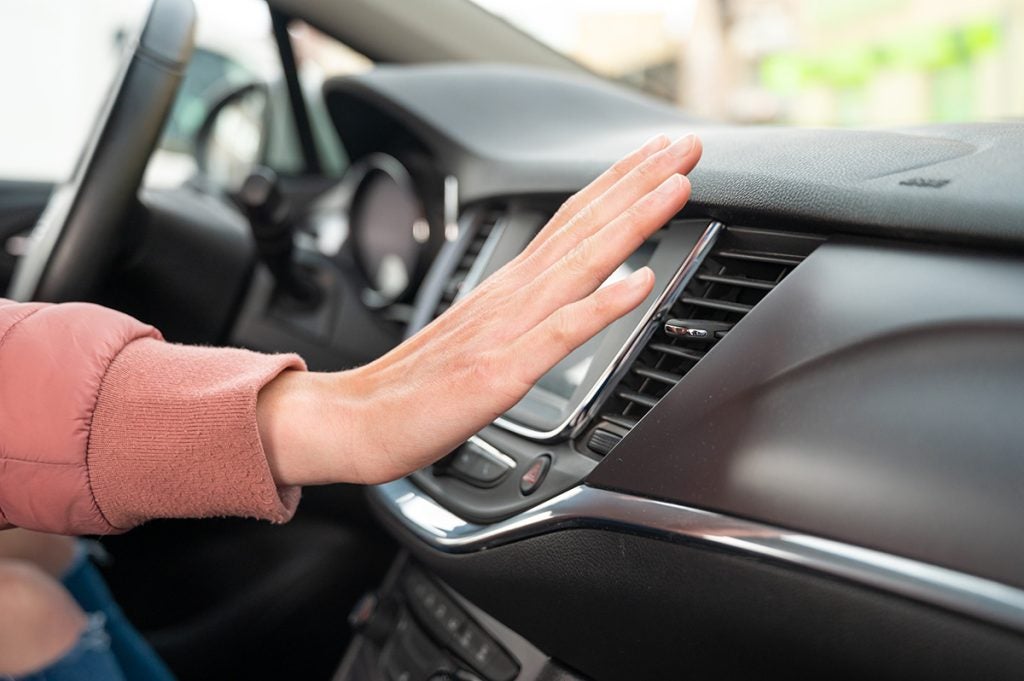
Our Washington summers aren't as hot as many other states, but there are days when you need your Air conditioning. If your AC isn't regularly serviced, problems can develop, ranging from unwanted guests in the air ducts to leaking refrigerant. As your Honda dealer, we want to tell you a few signs you'll need to visit us for AC maintenance. Signs You Need Air Conditioning Maintenance Refrigerant Leak This is one of the most common AC problems. Refrigerant is essential for your AC as it removes water from the air and cools it before it's blown into your cabin. This gas is highly pressurized, and a small leak anywhere in the AC system can cause a rapid loss of refrigerant. If this happens, your AC will steadily become warmer, regardless of its setting. You can't find a leak just by looking for it, as the gas vaporizes almost instantly in contact with the outside air. We add a UV dye to your AC and then monitor the dye's progress through the system using a UV light. This allows our technicians to easily find the leak and repair it. Then, we'll refill your refrigerant, and your AC will become cold again. more Blocked Vents Your air conditioning has an external vent that draws air into the system for cooling and cabin vents that bring the cold air to you. The external vent is positioned below your windshield and can easily become blocked by leaves and other debris, limiting air available for cooling. We can quickly fix this problem by clearing the vents, and airflow will increase. Dirt, dust, leaves, and other debris drawn in with the air can block the internal vents. This detritus accumulates, restricting airflow into the cabin and producing strange rusting or rattling noises as it moves around. This issue is also quick to fix, as we'll clear any duct blockages. Musty Air Conditioning Smell If you get a musty, earthy smell from the air conditioning, the system is infected with bacteria or mold. These organisms travel with the air and settle in the ducts. When your AC is off for several months over fall and winter, the dark ducts, lack of air movement, and traces of water provide the perfect breeding ground for these organisms. We fix this problem by adding a powerful cleaning solution to your AC, then switching it on and letting the solution blow through the system and remove these organisms. We'll also replace the cabin air filter, which removes any remaining dirt and pollen from the air before it enters your cabin. Our experts can rapidly fix any AC issue, and you'll have cold air again in no time. Contact us today at Honda Auto Center of Bellevue in Bellevue, WA.

The 2024 Honda HR-V: Compact, Stylish, and Versatile

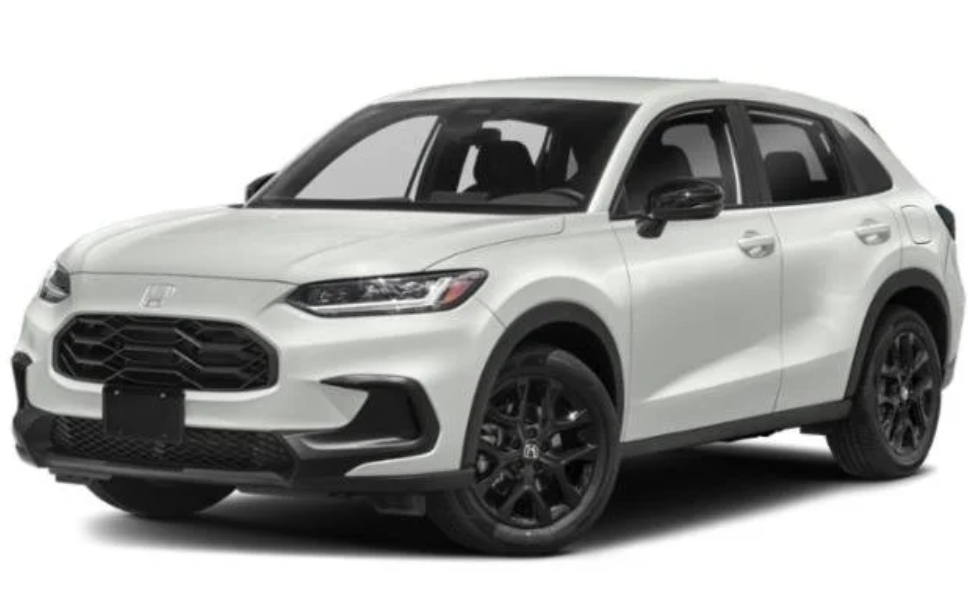
Despite its relatively small size, the 2024 Honda HR-V has a surprisingly spacious interior and is brimming with handy features. Accessibly priced, this stylish subcompact crossover SUV is a popular choice among Gen-Z buyers and young families. It's fun to drive, yet practical and versatile. Introducing the Honda HR-V The Honda HR-V has a history dating back to 1999, but it vanished for seven years in 2006 and debuted on the North American market in 2016. Today's 3rd-generation HR-V is based on the 11th-generation Honda Civic and shares many of the latter's features. A finely tuned blend of nimble handling and comfort makes this chic SUV ideal for anything from city commutes to relaxing family breaks. more An efficient 2.0 L four-cylinder 158 hp engine drives the HR-V, which pairs with automatic CVT gearing. Maximum torque is 138 lb-ft. The HR-V comes in LX, Sport, and EX-L trims, and all three are available in FWD or AWD versions. FWD HR-Vs are marginally more fuel efficient than AWD, achieving fuel economy ratings of 26/32/28 mpg (city/highway/combined). What's New in 2024? Following a major redesign in 2023, no significant changes were made to the 2024 HR-V. The 2023 changes included a sleeker but larger exterior, a modernized sporty interior, and a more powerful engine. Interior Space, Comfort and Practicality. Made with premium materials, the plush HR-V interior features a classic dashboard design that minimizes reflections and distractions. A honeycomb mesh covers the air vents for extra sophistication. Honda's front "Body Stabilizing Seats" improve long-distance comfort by providing bolstered back support and preventing excessive movement. The 2024 HR-V offers generous front legroom of 41.9" and 37.9" at the rear despite its compact size. There's 24.4 cu ft of cargo space with all seats upright, which expands to 55.1 cu ft with the seats down. Well-designed access boosts the utility of this area. A low 27" lift-over height makes it easy to load heavier items. Exterior HR-V Style The 2024 HR-V has a sporty exterior design, accentuated by a streamlined roof and long hood. Its neat grille is flanked by sharp-looking LED headlights and low air inlets, which draw air through the bumper and around the front wheels to reduce aerodynamic drag. A rear roofline spoiler adorns all trims. The HR-V's sculpted, modern look attracts many admirers. Safety Tech and Navigation As well as a wide array of Honda Sensing safety tech in the HR-V, support for Android Auto and Apple CarPlay lets you run a navigation smartphone app through the 7" or 9" color touchscreen. Using the same method or Bluetooth, you can also stream music through the built-in 180W audio system. Contact the Honda Auto Center of Bellevue in Bellevue, WA to learn more about the Honda HR-V.

Honda Oil Change Essentials: Protecting Your Engine

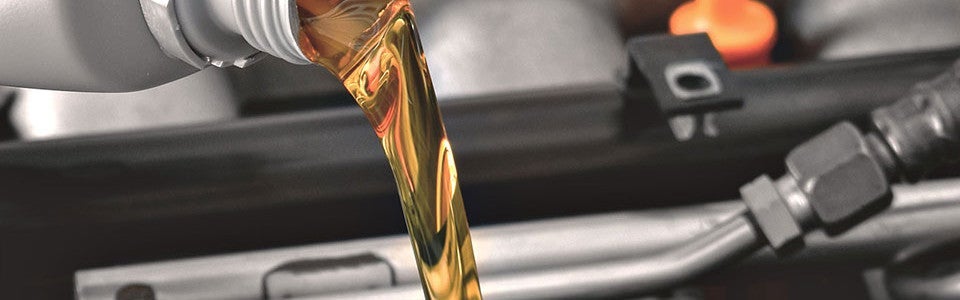
One of the most critical aspects of routine Honda maintenance is having your dirty engine oil replaced with clean engine oil. While many people put off this crucial item, neglecting to get an oil change on time can seriously damage your engine. Today, our car experts dive into how clean engine oil is crucial for your motor and how often you should visit your local Honda dealer to have your dirty oil replaced. The Importance of Clean Engine Oil Clean engine oil is essential for maintaining the health and performance of your Honda's engine. Clean oil carries away dirt and other debris and helps prevent sludge formation. This is great for engine performance. Clean oil is also beneficial in that it improves fuel economy. The cleaner your engine oil is, the more efficiently your motor runs. This results in more miles per gallon. more Clean engine oil is also vital because it extends the longevity of your engine by reducing wear and tear and friction. Having your dirty oil replaced is even good for the environment. Engine oil is broken down over time by the heat of your engine, and that releases gases into the air. Another way clean oil protects your engine is that it lubricates your motor's moving components, mitigating the risk of your engine overheating. How Often You Should Visit Your Local Honda Dealer to Change Your Engine Oil How often you should have your engine oil swapped depends on a variety of factors, including the type of motor oil used, your normal driving conditions, and the age of your vehicle. Generally, you should bring your Honda in every 5,000 to 7,500 miles if conventional motor oil is used. If you have full-synthetic engine oil used, you can drive 15,000 miles before your oil becomes too dirty. ​Come in for a change annually if you rarely drive. If you want to keep your oil clean as long as possible, keep in mind that the way you drive affects the oil's longevity. More frequent oil replacements are required when you drive in "severe" conditions. Examples of severe conditions include: Driving a lot in stop-and-go-traffic Driving in very cold weather Usually driving fewer than five miles at a time Hauling or towing heavy loads Having your engine oil swapped regularly is one of the best things you can do to maintain the health of your engine. Depending on the motor oil used, how you drive, and other factors, you may need to get clean oil every 5,000 to 15,000 miles. If it's time for a change, contact us today at Honda Auto Center of Bellevue in Bellevue, WA to schedule an appointment.

Extended Coverage: Understanding Honda's Warranty

Honda not only makes outstanding vehicles that have won numerous awards, but it also gives you some of the best warranty protection available. As your Honda dealer, we want to tell you about some of the coverage you receive with your 2024 Honda warranty. New Car Warranty This is the main warranty that covers every new Honda. It provides comprehensive protection against any unforeseen issue, however unlikely, that could affect your vehicle. Any identified defect with the materials or labor that went into manufacturing your Honda will be rectified by a Honda dealer using Honda-approved parts and Honda-trained technicians. more Coverage lasts for three years or 36,000 miles, whichever happens first. Unlike many other warranties, your original 12-volt battery is also included in this coverage. Certain situations, like damage caused by accidents, the use of unauthorized components, or regular wear and tear, are not covered by this warranty. Excluded situations are explained further in your warranty booklet. Wheel Balancing and Alignment Warranty Any adjustment necessary to correct an issue with wheel balancing or alignment is covered for the first year or 12,000 miles. Powertrain Warranty The powertrain comprises your engine, transmission, and FWD or RWD drivetrain. In addition, if your Honda has a transaxle, it is also protected by this warranty. Coverage extends to almost every component in these systems, including the cylinder block, head, and all internal components, the timing gears, the transmission casing and internal components, and the hubs, bearings, and seals. Warranty coverage applies for the first five years or 60,000 miles. Components not covered by this warranty are protected by other warranties or are specifically excluded. All exclusions are detailed in your warranty booklet. Hybrid High Voltage Battery Warranty This warranty protects your hybrid battery against any manufacturing issue for eight years or 100,000 miles. The specialized hybrid battery, like all batteries, slowly loses storage capacity over time. This is a naturally occurring process and not a defect. Seat Belt Limited Warranty Seat belts are one of the best protections in the event of an accident, as they significantly reduce the possibility of injury. The seat belts and all related components are covered by warranty for fifteen years or 150,000 miles. Rust Perforation Limited Warranty Water, mud, or snow can rapidly create rust on any unprotected metal. All metal sections of your Honda are specially treated against rust during the manufacturing process. In the unlikely event rust appears, the affected panel will be replaced at no cost. This warranty applies for five years with no mileage limitation. If you'd like more information about ​any of your warranties, contact us today at Honda Auto Center of Bellevue in Bellevue, WA.

Contact Us

Fill out this form below and we'll contact you shortly
*Required Fields