
Honda Auto Center
of Bellevue

Blog / Bellevue Honda Service

What Makes Up Your Brake System?

Brakes FAQ: What Are the Signs of Failing Brakes?

Your brakes are one of the most important safety systems in your vehicle, especially when driving through Bellevue traffic, wet roads, or changing highway conditions. Honda Auto Center of Bellevue created this guide to help drivers understand the main parts of the brake system, how they work together, and which warning signs may indicate a need for service.

The brake system has many connected parts, and each part has a specific job to stop the vehicle. Understanding these parts helps drivers find problems early. People who drive in Bellevue, WA, need working brakes for wet roads. 

What Are the Main Components of a Brake System? 

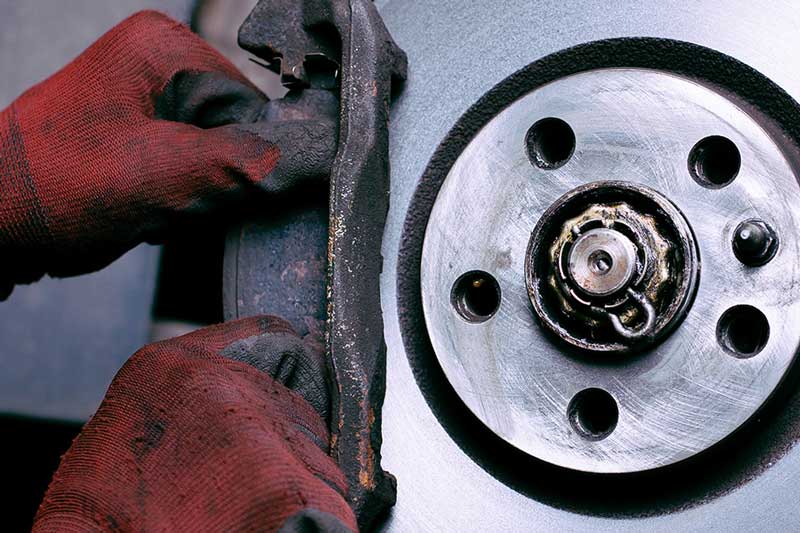
Brake Pads: These are parts that people replace often. They press against the rotor to create friction, and this slows the car. The material on the pads wears down over time. Most pads have a 1 metal wear indicator that makes a noise when the pads are thin. 

Brake Rotors: This is a flat metal disc that spins with the wheel. When a driver presses the pedal, the pads clamp the rotor to stop the car. Rotors can warp if a driver brakes too hard or too often. 

Brake Calipers: This part holds the brake pads. It has a piston that pushes the pads against the rotor using fluid pressure. If a caliper sticks, it can cause uneven braking or fast wear on 1 side. 

Brake Lines and Hoses: Fluid moves from the master cylinder to the calipers through metal lines and rubber hoses. These carry the pressure that makes the brakes work. Cracks or leaks in these lines can stop the brakes from working. 

Master Cylinder: This is the main part of the fluid system. When a person presses the pedal, it pushes fluid through the lines to each wheel. A bad master cylinder can make the pedal feel soft. 

Brake Fluid: This fluid moves force from the pedal to the calipers. It absorbs water over time, and this can lower the boiling point. This change reduces how well the brakes work. 

ABS Module: This part monitors how fast the wheels spin. It stops the wheels from locking during hard braking. This helps the driver keep control of the steering. A light on the dash shows if there is a problem. 

What Controls the Brake System? 

The systems that manage braking force are as important as the physical parts. 

The Brake Pedal: This is the main input for the driver. When it is pressed, it starts the pressure in the brake lines. 

Brake Booster: Most cars use a booster to increase the force from the driver's foot. Without it, stopping the car would be very hard. If the booster fails, the pedal will feel very stiff. 

ABS and Electronic Stability Control: These electronic systems adjust braking force at each wheel. ABS stops wheels from locking, and ESC applies brakes to keep the car stable on slippery roads. 

Parking Brake: This is a separate system that holds the car in place when it is parked. It usually works on the back wheels. Drivers should test it often to make sure it holds. 

What Are the Signs of Failing Brakes? 

Finding signs of wear early is an important part of car care. 

Squealing Sounds: A high noise when braking is often the 1st sign of thin pads. A small metal part makes this noise when the pads are low. 

Grinding Noise: A loud metal noise usually means the pads are gone. This can damage the rotors and must be fixed fast. 

Soft Brake Pedal: If the pedal feels soft or sinks to the floor, there might be air in the lines. This can also mean the fluid is low. 

Vibration: A shaking feeling in the pedal or steering wheel can mean the rotors are warped. This happens after the brakes get too hot. 

Pulling to the Side: If the car moves left or right when braking, a caliper might be stuck. It could also mean the pads are wearing unevenly. 

Warning Lights: A brake light on the dash should not be ignored. This light can mean the fluid is low or a sensor is broken. 

Burning Smell: A bad smell after driving can mean the brakes are too hot. This can happen if a caliper is stuck and stays closed. 

If your brakes squeal, grind, vibrate, feel soft, or trigger a warning light, schedule service with Honda Auto Center of Bellevue. Our technicians can inspect the pads, rotors, calipers, fluid, brake lines, ABS components, and related parts to help keep your vehicle stopping safely on Bellevue, WA roads.

Posted in:

Related Posts

Roadside Assistance and Car Breakdown Help: What to Do When Your Vehicle Stops Running

Roadside Assistance and Car Breakdown Help: What to Do When Your Vehicle Stops Running

A vehicle breakdown can happen unexpectedly, whether you are commuting through Seattle traffic, traveling across Bellevue, or heading out on a longer road trip. Knowing what steps to take when your car stops working can help you stay safe and get the support you need as quickly as possible. Roadside assistance services are designed to provide drivers with help during unexpected vehicle issues. From a dead battery and flat tire to lockouts and towing needs, roadside support offers solutions that can help you get back on the road or safely transport your vehicle for additional service. For drivers throughout Bellevue, WA, and the surrounding Seattle area, having access to dependable car breakdown help provides added confidence during everyday driving. Understanding common roadside emergencies and available assistance options can make stressful situations easier to manage. What Should I Do If My Car Breaks Down? When a vehicle stops operating properly, the first priority is safety. Moving to a secure location and assessing the situation can help prevent additional risks while waiting for assistance. Whether your vehicle loses power, experiences a mechanical issue, or develops a tire problem, staying calm and following the right steps is important. more If your car breaks down, consider these steps: Move your vehicle away from traffic when possible and turn on hazard lights. Remain aware of your surroundings, especially when stopped near busy roads. Contact roadside assistance for professional help. Provide your location, vehicle details, and a description of the issue. Avoid attempting repairs in unsafe conditions. Modern vehicles include many advanced systems designed to improve reliability, but unexpected problems can still occur. Regular maintenance, inspections, and timely service can reduce the likelihood of breakdowns, but roadside assistance remains an important resource when problems happen. What Does Roadside Assistance Cover? Roadside assistance provides support for many common vehicle emergencies. The exact services available may vary depending on your coverage, vehicle ownership benefits, or service provider, but most programs are designed to address common situations drivers experience. Car breakdown help may include: Towing services when a vehicle cannot be safely driven. Battery jump-start assistance for vehicles with a discharged battery. Flat tire assistance when a tire needs replacement or repair. Lockout assistance if keys are accidentally locked inside the vehicle. Fuel delivery assistance when a vehicle runs out of fuel. Help locating additional automotive services when needed. These services can be especially valuable during inconvenient situations, such as early morning commutes, nighttime driving, or long-distance travel. Having access to roadside support helps drivers know they have options when their vehicle needs immediate attention. How Can I Prevent a Car Breakdown? While some vehicle problems are unavoidable, routine maintenance can help identify potential issues before they lead to unexpected breakdowns. Following recommended service intervals helps keep important vehicle systems operating properly. Many breakdown-related problems are connected to components that require regular inspection, including batteries, tires, fluids, and braking systems. Addressing small concerns early can help prevent larger issues in the future. Drivers can help reduce breakdown risks by: Checking tire pressure regularly and monitoring tire condition. Following recommended oil change schedules. Inspecting battery condition and electrical connections. Maintaining proper fluid levels. Paying attention to unusual noises, warning lights, or performance changes. Professional service technicians can also identify wear and maintenance needs during routine appointments. Regular visits to a trusted service department help keep vehicles prepared for daily driving conditions throughout Bellevue and Seattle. What Are Common Reasons Cars Need Roadside Assistance? Vehicle breakdowns can happen for many reasons, ranging from simple issues to more complex mechanical concerns. Understanding common causes can help drivers recognize warning signs and take preventative action. Some of the most common reasons drivers request roadside assistance include: Dead or weak batteries caused by age, weather, or electrical issues. Flat tires caused by punctures, damage, or worn tread. Engine problems that prevent normal vehicle operation. Overheating caused by cooling system concerns. Lost keys or accidental vehicle lockouts. Running out of fuel during travel. Battery issues are among the most frequent causes of roadside service calls. Temperature changes, frequent short trips, and vehicle age can affect battery performance over time. Routine battery inspections can help determine when replacement or service may be needed. Why Is Reliable Car Breakdown Help Important in Seattle? Driving conditions throughout the Seattle area can vary depending on traffic, weather, and travel distance. A vehicle issue during a busy commute or on an unfamiliar road can create additional challenges without access to reliable assistance. Roadside assistance provides support when drivers need immediate help. Instead of attempting potentially unsafe repairs or arranging transportation on their own, drivers can connect with professionals who understand how to handle vehicle emergencies. Reliable roadside support is valuable because it provides: Assistance during unexpected vehicle problems. Professional support when a vehicle cannot continue driving. Added confidence during daily commutes and road trips. Help coordinating towing or additional service needs. Peace of mind for drivers and passengers. Having a plan before an emergency happens allows drivers to respond more effectively when their vehicle requires attention. How Does Vehicle Maintenance Support Roadside Reliability? Routine vehicle maintenance plays an important role in reducing unexpected problems. A properly maintained vehicle is better prepared for everyday driving demands, changing weather conditions, and longer trips. Service appointments allow technicians to inspect important components and identify potential concerns. Maintenance services such as oil changes, tire rotations, brake inspections, and battery checks help support vehicle performance over time. Important maintenance services include: Oil and filter changes to support engine performance. Tire inspections to maintain proper handling and safety. Brake checks to monitor wear and performance. Battery testing to identify charging concerns. Fluid inspections to support vehicle systems. Maintaining your vehicle does not eliminate every possible issue, but it can help address problems before they become larger concerns. A consistent service schedule is one of the best ways to support dependable transportation. Unexpected vehicle problems can be frustrating, but knowing where to turn for help can make the experience easier. Roadside assistance provides valuable support for common emergencies, while routine maintenance helps drivers stay prepared for the road ahead. Honda Auto Center of Bellevue supports drivers in Bellevue and the Seattle area with automotive expertise, vehicle service resources, and helpful guidance. Whether you need car breakdown help, routine maintenance, or information about keeping your vehicle dependable, the dealership team is available to assist. Schedule your next service appointment and keep your vehicle ready for every drive.

Tires FAQ: Essential Information Every Vehicle Owner Should Know

Tires FAQ: Essential Information Every Vehicle Owner Should Know

Maintaining your tires is a critical part of vehicle safety, performance, and efficiency. At Honda Auto Center of Bellevue in Bellevue, WA, we understand that many drivers have questions about tires, from reading sidewall codes to recognizing wear patterns and understanding maintenance schedules. This guide addresses the most common inquiries and provides detailed insights to help you make informed decisions about tire care. What Do the Numbers and Codes on My Tire Mean? Every tire carries a series of numbers and letters on its sidewall that convey important specifications. Interpreting these correctly ensures proper tire replacement and vehicle performance. Passenger vs. Light Truck Tires: The initial letter, such as “P” for passenger vehicles or “LT” for light trucks, indicates the type of vehicle for which the tire is designed. Width and Aspect Ratio: The three-digit number following the letter represents the tire’s width in millimeters, while the number after the slash shows the aspect ratio, comparing sidewall height to width. Construction and Diameter: The “R” indicates radial construction, and the final number denotes wheel diameter in inches. Load Index and Speed Rating: A combination of numbers and letters near the end specifies maximum load capacity and speed capability. more Proper understanding of these codes ensures that replacements match your vehicle’s original specifications, maintaining safety, handling, and fuel efficiency. How Often Should You Rotate Tires? Tire rotation is a preventive maintenance step that extends the life of your tires and ensures even wear. Uneven wear can affect braking, handling, and fuel economy. Recommended Intervals: Most manufacturers suggest rotating tires every 5,000 to 7,500 miles. Integrating rotations with routine oil changes makes scheduling convenient. Wear Patterns: Front-wheel-drive vehicles often experience faster wear on front tires due to steering and power delivery. Rear tires typically wear more slowly. Rotation Methods: Patterns include forward cross, rearward cross, and X-pattern rotations depending on drivetrain type. Proper rotation keeps all tires performing optimally. Regular tire rotation prevents early replacement and maintains consistent traction across all four tires. How Can I Tell When My Tires Need Replacement? Identifying when tires require replacement is crucial for safety and performance. Several indicators help determine tire condition: Tread Depth: The penny test remains a simple method—if Lincoln’s head is fully visible when inserted into the tread, replacement is necessary. Age: Rubber degrades over time regardless of mileage. Most manufacturers recommend replacement after six years. Uneven Wear: Unequal tread patterns can indicate alignment or suspension issues that need professional attention. Visible Damage: Bulges, cracks, or sidewall damage are warning signs of internal deterioration. Recognizing these signs early allows for timely intervention, reducing the risk of blowouts and improving vehicle handling. What Are the Most Common Tire Problems and How Can I Address Them? Tires are subject to multiple stressors from the road and driving conditions. Understanding common problems helps prevent accidents and costly repairs: Flat Tires: If a tire fails while driving, maintain control, slow gradually, and move to a safe location. Use a spare if equipped, or contact roadside assistance. Vibration or Shaking: This may indicate unbalanced tires, misalignment, or suspension issues. Immediate inspection prevents additional wear. Slow Leaks: Regularly check tire pressure and look for punctures. Low pressure affects handling, fuel economy, and tire longevity. Overheating and Wear: Excessive heat from underinflation or towing can accelerate wear. Proper maintenance and tire pressure monitoring are essential. Professional inspections help address issues before they become hazardous or lead to uneven wear patterns. How Does Home Maintenance Support Tire Longevity? Routine care at home enhances tire life and performance: Monitor Tire Pressure: Maintain recommended PSI for consistent handling and fuel efficiency. Check Alignment: Misaligned wheels can cause rapid, uneven wear. Inspect for Damage: Look for cuts, punctures, and sidewall cracks. Clean and Rotate: Removing debris and rotating tires regularly maintains optimal performance. Combining these practices with professional checks ensures your tires remain safe and reliable throughout their lifecycle. How Do I Select the Right Tires for My Vehicle? Choosing the proper tires depends on your vehicle type, driving habits, and local climate conditions: All-Season vs. Seasonal Tires: All-season tires offer year-round performance, while winter tires improve traction in snow and ice. Load and Speed Ratings: Match ratings to your vehicle specifications to maintain safety and performance. Tread Patterns: Directional, asymmetric, and symmetric treads offer distinct benefits in traction, handling, and noise reduction. Consulting our technicians ensures the selection aligns with your driving needs and the specifications recommended by the manufacturer. When Should I Schedule Tire Inspection and Maintenance? Maintaining tires is a key factor in overall vehicle safety and performance. At Honda Auto Center of Bellevue, our certified technicians provide detailed tire inspections, rotations, balancing, and alignment services to ensure your vehicle is safe and road-ready. Drivers throughout Bellevue, WA, can rely on our team to extend tire life, optimize performance, and prevent avoidable issues. Regular maintenance not only enhances safety but also helps you maximize your investment in your tires and vehicle.

Oil pressure dash light - Why Oil Pressure Matters and Needs to Be Monitored 

Why Oil Pressure Matters and Needs to Be Monitored

Oil pressure is one of the most vital components of your vehicle's engine, ensuring its longevity and performance. While it may seem like a small detail, maintaining proper pressure is essential to keep your engine running smoothly. If the pressure system fails or drops below its optimal level, you risk causing damage to the engine components, resulting in costly repairs and significant downtime. Let’s explore what oil pressure does, how to identify potential issues, and the best practices for maintenance. What Does Oil Pressure Do in Your Vehicle? Oil pressure plays a crucial role in the operation of your engine. It’s responsible for circulating oil throughout the engine to lubricate moving parts, prevent friction, and ensure smooth performance. Without sufficient oil, parts like pistons, valves, and the crankshaft can suffer from excessive wear, leading to mechanical failure. Lubrication: Oil ensures the engine parts are properly lubricated, reducing metal-on-metal contact, which can lead to overheating and wear. Cooling: Oil also helps cool the engine by carrying heat away from the components and dissipating it through the oil cooler. Cleaning: Oil helps circulate oil through the engine’s filtration system, trapping debris and contaminants to prevent them from causing damage. Sealing: Oil pressure keeps the seals and gaskets in place, preventing leaks and maintaining engine integrity. Without proper oil pressure, all these essential functions are compromised, leading to a significant decrease in engine efficiency and longevity. Signs You Need to Check Your Oil Pressure The oil pressure warning light on your dashboard is the first indicator that something might be wrong with your oil. This warning light can either be steady or flashing, and the nature of the light provides valuable information about the severity of the problem. Steady Oil Dash Light A steady oil light typically means that the system is not reaching the required pressure, but the engine might still be running normally. However, driving for an extended period with low oil pressure can cause serious damage, so it’s important to get the issue checked immediately. Low oil levels, a clogged oil filter, or a faulty oil pump are common causes. Flashing Oil Dash Light A flashing oil light is a more immediate concern and often indicates a more severe issue. If this light flashes while you're driving, stop the vehicle as soon as it's safe to do so and turn off the engine. A flashing light generally means that pressure has dropped dangerously low and could be causing harm to the engine. This could be due to severe oil leakage, a faulty pump, or extreme internal engine wear. If you notice any unusual noises coming from the engine, such as knocking or grinding, it could be an indication of insufficient pressure causing excessive friction. Regular Oil Maintenance Maintaining proper oil pressure requires proactive care and regular maintenance. Here are some key practices to keep your vehicle’s oil at optimal levels: Check Oil Levels Regularly One of the simplest yet most effective ways to maintain oil pressure is by checking your oil levels regularly. Low oil levels can lead to a drop in pressure, which is why it’s important to top up your oil whenever necessary. Always refer to your vehicle’s manual to use the correct type of oil, as the wrong type can also affect oil pressure. Change the Oil and Oil Filter Routine oil and filter changes are essential for maintaining healthy pressure. Over time, oil degrades and becomes less effective at lubricating the engine. Old oil can also become contaminated with debris, which can clog the oil filter and restrict oil flow. Replacing the oil and filter at the manufacturer-recommended intervals will help maintain the necessary pressure levels. Inspect the Oil Pump The oil pump is responsible for circulating oil throughout the engine, and if it malfunctions, oil pressure will drop. If you experience any irregularities in oil pressure, it’s worth having the oil pump inspected. A failing oil pump may require replacement to restore proper oil pressure and prevent further engine damage. Monitor for Oil Leaks Oil leaks are another common cause of low oil pressure. Even a small leak can significantly reduce oil levels and pressure. If you notice oil spots under your vehicle or a burning oil smell, it’s important to inspect the engine for leaks and address them immediately. Seals and gaskets are often the source of oil leaks and may need to be replaced. Why Oil Pressure Maintenance Is Crucial for Engine Health Proper oil maintenance is critical for preserving engine performance and preventing expensive repairs. Neglecting oil issues can lead to: Engine Overheating: Without sufficient oil to lubricate and cool the engine, temperatures can rise quickly, causing internal damage. Component Wear: Low oil pressure increases friction between engine parts, leading to accelerated wear and potentially catastrophic failure of major components. Increased Fuel Consumption: An engine running without adequate lubrication operates less efficiently, which can result in poor fuel economy. In contrast, maintaining optimal oil pressure allows the engine to run smoothly, improve fuel efficiency, and extend the overall lifespan of the vehicle. In summary, oil pressure is a key component of your engine’s performance and longevity. Regular checks of oil levels, timely oil changes, and attention to any warning signs of pressure loss will help ensure your engine runs smoothly for years to come. At Honda Auto Center of Bellevue, we offer expert maintenance and service to help keep your vehicle in optimal condition. If you're unsure about the health of your oil pressure or if you're experiencing any related symptoms, our service team is here to provide a thorough inspection and recommend the best course of action. Don’t wait for the oil pressure light to flash – act now and keep your vehicle running at its best.