
Honda Auto Center
of Bellevue

Blog

All Bellevue Honda Dealer Honda Auto Center of Bellevue Honda Cars Bellevue Honda Service 2026 Honda Auto Center of Bellevue Service FAQs 2025 2026 CR-V 2026 Accord Hybrid 2026 Hybrids 2025 Civic 2026 CR-V Hybrid 2026 Honda Ridgeline 2026 Odyssey 2026 Passport 2026 Pilot Honda Service Honda Warranties Tires 2025 Civic Hybrid 2025 CR-V 2025 HR-V 2025 Pilot 2026 Civic Hybrid 2026 Civic Sedan 2026 EV 2026 Prologue Air Conditioning Bellevue Used Cars Brakes Catalytic Converter CPO Engine Belts Engines Ignition Coil Oil
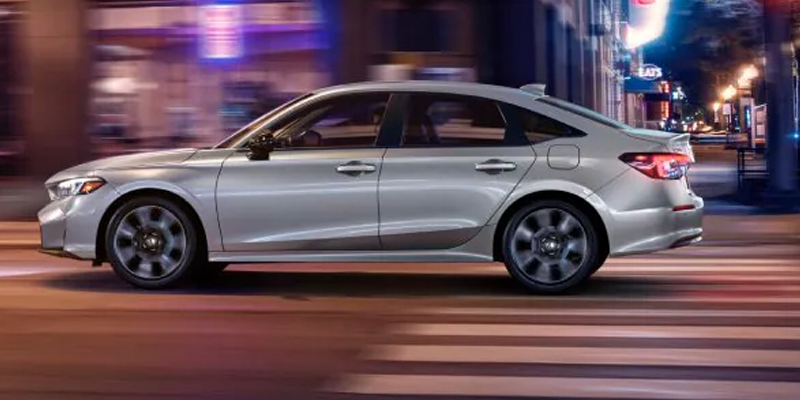
2026 Honda Civic - Why Honda Keeps Winning Over New and Used Car Buyers
in Bellevue Honda Dealer

Why Honda Is a Smart Choice for Every Driver 

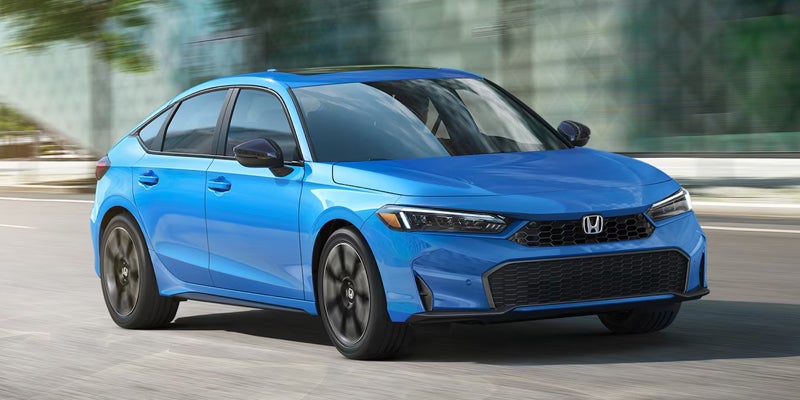
Why Honda Keeps Winning Over New and Used Car Buyers Brand loyalty is an interesting business. Cars are expensive, increasingly complicated machines, so returning to the same manufacturer requires more than a familiar badge. Honda has built its following over decades with cars and SUVs that generally concentrate on the fundamentals: efficient powertrains, intelligently packaged interiors, approachable controls, and a broad range of models. For drivers around Bellevue, WA, that philosophy extends across both new Honda inventory and the considerably larger selection available on the used Honda market. Honda's Reputation Wasn't Built Overnight Reliability is inevitably part of any conversation about Honda, although no manufacturer can promise that every vehicle will cover an enormous mileage without problems. Maintenance history, driving conditions, model, powertrain, and previous ownership all influence longevity. Honda's advantage is a longstanding reputation for durable engineering across nameplates including the Honda Civic, Honda Accord, and Honda CR-V. That reputation is particularly relevant to used-car buyers because an older vehicle's remaining life depends heavily on how it has been treated. Service records and a proper inspection still count for more than the badge attached to the grille. There's a Honda for Most Stages of Life Honda's range covers a surprisingly broad collection of requirements without becoming bewilderingly large. The Civic and Accord handle the traditional passenger- car end of the business, while buyers wanting an SUV can move through the Honda HR-V, CR-V, Passport, and 3-row Pilot. The Odyssey remains the dedicated people carrier, while the Ridgeline takes a different approach to the midsize pickup. Honda also offers electrified choices, including Civic Hybrid, Accord Hybrid, and CR-V Hybrid models, alongside the all-electric Prologue. At the other extreme sits the Civic Type R, which demonstrates that the company responsible for building family crossovers remains perfectly capable of producing something considerably less concerned with behaving itself. Used Hondas Open Up a Much Bigger Catalog The attraction of a used Honda isn't simply paying less than you might for a new vehicle. Shopping pre-owned opens access to previous model years, discontinued configurations, different trim levels, and vehicles at numerous price points. Honda models can also retain value strongly, although resale value varies with age, mileage, condition, specification, market demand, and accident history. Buyers should examine the individual car, check its history, and consider a pre-purchase inspection instead of assuming every Honda is automatically a safe purchase. A meticulously maintained higher-mileage example can be a very different proposition from a younger car that's spent its life being treated as disposable transportation. HondaTrue Certified Adds Another Used-Car Route For shoppers who want a pre-owned vehicle with manufacturer-backed requirements, eligible vehicles may qualify for the HondaTrue Certified program. Honda's certified pre-owned offerings include specified inspection requirements and warranty benefits, with eligibility and coverage varying among HondaTrue categories. That creates an interesting middle ground between conventional used Honda inventory and buying new. Shoppers should still compare mileage, condition, vehicle history, warranty terms, and used-car financing options, because certification is another piece of the buying decision, not a replacement for examining the car itself. Maintenance Still Determines a Great Deal A reputation for reliability doesn't eliminate maintenance. Oil and filter changes, tires, brakes, batteries, fluids, and other scheduled items remain part of owning any Honda, and requirements vary by vehicle and powertrain. Honda's Maintenance Minder™ system can help owners identify upcoming maintenance needs based on vehicle operation. Having access to a Honda service center, Honda maintenance, and genuine Honda parts also gives owners a straightforward route for keeping newer and older models serviced. For anyone considering a used Honda, maintenance records are worth studying closely; a folder full of documented service is considerably more persuasive than a seller announcing that the car has "never needed anything." Compare New and Used Hondas in Bellevue Honda's appeal to new- and used-car shoppers comes from several directions: a broad model range, established nameplates, hybrid and electric choices, performance models, and a substantial pre-owned market. The right choice still depends on the individual vehicle and what you expect it to do. Drivers around Bellevue, WA, can visit Honda Auto Center of Bellevue to compare new Honda models, browse used Honda vehicles, value a trade, review financing options, and schedule a test drive online once they've narrowed the search.

Read More
Engine Support Hardware: Good Engineering Keeps Everything in Its Place

What Is an Engine Support Bar? Honda FAQ

Engine Support Hardware: Good Engineering Keeps Everything in Its Place Some of the most successful components in a vehicle are the ones a driver never notices. Engine-support hardware falls neatly into that category. The engine produces vibration and rotational forces as it operates, yet those movements must be controlled without making the vehicle feel harsh or transmitting unnecessary vibration into the cabin. Honda achieves this through an integrated mounting and support arrangement rather than relying on one component in isolation. If a technician mentions an engine support bar or related support hardware, its precise form and function depend on the Honda, but the underlying principle is simple: locate the powertrain correctly and control its movement. Supporting an Engine Requires Control, Not Absolute Rigidity An engine cannot simply be fixed solidly to the surrounding structure. It needs controlled movement because combustion, acceleration, and changes in load generate forces that have to go somewhere. Engine mounts, brackets, bushings, and related structural components work together to manage those forces while maintaining the correct position of the powertrain. The clever part isn't preventing every movement. It's allowing enough compliance to isolate unwanted vibration while restricting movement that could affect surrounding components. When everything is working correctly, the driver shouldn't spend much time thinking about any of it. The Surrounding Components Are Part of the Design Powertrain support isn't an isolated problem. Hoses, wiring, exhaust connections, and other components occupy the same tightly packaged space, and excessive engine movement can place additional stress on them. That's why diagnosing a support concern means examining the complete arrangement rather than simply replacing the most obvious bracket. A Honda engine-mount inspection can help determine where unwanted movement originates and if associated components have been affected. Good engineering depends on components working as a system; good servicing should approach them the same way. Inspection Makes More Sense Than Routine Replacement Structural support hardware generally isn't something replaced according to a simple mileage interval. Condition is more useful. During routine Honda maintenance or a Multi-Point Inspection, technicians can look for visible damage, deterioration, looseness, or concerns involving related mounts and bushings. Rubber components are particularly important because they help isolate vibration while maintaining controlled support. If they deteriorate, the vehicle may begin communicating more of the engine's movement to the cabin. The component hasn't become more noticeable because it suddenly has a new function. You're noticing it because the original design is no longer working as intended. Vibration Is Information, but It Isn't a Diagnosis An increase in vibration, clunking or thudding noises, or unusual movement during starting, acceleration, or gear changes can justify an inspection. Visible damage or loose mounting hardware also deserves attention. But these symptoms don't automatically identify one support component as the cause. Engine mounts and related hardware should be considered together, and other mechanical issues can produce similar sensations. Honda service diagnostics can identify the source instead of turning an unfamiliar noise into an expensive exercise in replacing parts until it disappears. The Best Support System Is the One You Don't Notice There is a pleasing logic to properly designed engine support. It controls considerable mechanical forces yet should contribute almost nothing obvious to the driving experience. Honda Auto Center of Bellevue can help Bellevue, WA, drivers with engine-mount inspections, vibration diagnostics, Multi-Point Inspections, routine Honda maintenance, and related service needs. If your Honda has developed unusual vibration, clunking, or changes in the way the powertrain feels during acceleration or gear changes, review available service specials and have the complete system inspected. Schedule a Honda service appointment online before things get even worse.
Honda Ignition Coils: Small Parts Doing High-Voltage Work

Ignition Coil: What It Is and When to Replace It

Honda Ignition Coils: Small Parts Doing High-Voltage Work An ignition coil doesn't look terribly impressive. It's compact, usually hidden beneath an engine cover, and spends its life performing the same basic task thousands of times a minute. But that task is essential: take the battery's relatively low voltage and transform it into the much higher voltage required for the spark plug to ignite the air-fuel mixture inside the cylinder. When a coil stops doing that properly, the engine doesn't disguise the problem particularly well. Around Bellevue, rough running, reduced performance, and a check engine light can follow because one cylinder is no longer contributing as it should. The Coil Sits Between Electricity and Combustion Most modern Honda vehicles use a coil-on-plug arrangement, with an individual ignition coil positioned directly at each spark plug. This removes the need for the older arrangement of one coil distributing spark through additional ignition components. Each coil supplies the voltage needed for its cylinder's spark plug to fire, and that spark begins combustion. The advantage from a diagnostic standpoint is that problems can often be traced to an individual cylinder. Still, knowing which cylinder is misfiring doesn't automatically identify which component caused the misfire. That's where proper Honda engine diagnostics become useful. Ignition Coils Don't Have Much Scheduled Maintenance There generally isn't an ignition-coil replacement interval comparable to an oil change. The coils stay in service as long as they're operating correctly. The condition of related components is more important. Worn or fouled spark plugs can place additional demand on the ignition system, so replacing plugs according to the appropriate Honda maintenance schedule helps keep the system operating as designed. Routine maintenance and a Multi-Point Inspection can also provide opportunities to identify other engine concerns before they start producing more noticeable symptoms. The goal isn't to replace coils early. It's to avoid making good coils compensate for neglected components around them. A Misfire Is Something You Can Usually Feel A failing coil may produce a rough or shaky idle because one cylinder isn't combusting properly. The same problem can become more obvious during acceleration, when the engine is being asked to produce more power. A check engine light may accompany the symptoms, and diagnostic trouble codes in the P030X family can identify a cylinder experiencing a misfire. But that code describes what's happening, not necessarily why. Spark plugs, ignition coils, wiring, electrical connections, and other engine problems can produce misfire symptoms. Replacing the coil simply because its cylinder number appears in a diagnostic code skips an important part of the job: confirming the cause. Don't Give a Misfire Time to Create Another Problem An engine that continues misfiring isn't merely irritating. Poor combustion can affect performance and fuel consumption, while unburned fuel entering the exhaust can create additional problems elsewhere in the emissions system. If your Honda develops a persistent rough idle, hesitation, reduced acceleration, or an illuminated check engine light, scheduling a diagnostic inspection is more sensible than waiting to see if the engine somehow negotiates a settlement with itself. Catching the cause early can also help distinguish a failed coil from a simpler connection or related maintenance issue. Replace the Failed Component, Not the Suspected One Honda Auto Center of Bellevue can help Bellevue, WA, drivers with check engine light diagnostics, ignition-system inspections, spark plug service, Multi-Point Inspections, and other Honda maintenance. If your Honda is running rough, hesitating, or displaying a warning light, review available service specials and schedule a service appointment online today.

Your Honda's Catalytic Converter Has a Dirty Job, and That's the Point

Catalytic Converter: What Honda Owners Should Know

Your Honda's Catalytic Converter Has a Dirty Job, and That's the Point Somewhere between your Honda's engine and tailpipe sits a metal canister assigned a thoroughly unpleasant task. The engine burns fuel. Combustion produces exhaust gases. The catalytic converter takes some of the nastier products of that process and chemically converts them into less harmful emissions before they leave the exhaust. Nobody starts the car in the morning and thinks, “I hope the catalytic converter is having a productive day.” That's the arrangement. It works in heat, underneath the vehicle, largely unnoticed—right up until something goes wrong. It's a Chemical Workshop Bolted into the Exhaust Inside the converter is a honeycomb-like substrate coated with catalytic materials that can include platinum, palladium, and rhodium. As hot exhaust passes through, chemical reactions convert carbon monoxide, hydrocarbons, and nitrogen oxides into less harmful gases including carbon dioxide, nitrogen, and water vapor. There are no pistons pumping away inside it and no maintenance fluid to change. It's essentially chemistry happening at exhaust temperature. When the engine and emissions system are operating correctly, the converter simply keeps doing the job it was built to do. The Converter Often Gets Damaged by Somebody Else's Problem Here's the important bit: catalytic converters generally don't require routine maintenance of their own. Protecting one means maintaining the systems upstream of it. An engine misfire can allow unburned fuel into the exhaust, where that fuel can create excessive heat in the converter. Oil or coolant entering the combustion process can contaminate the internal substrate. Suddenly the expensive exhaust component looks guilty when the original trouble began somewhere else entirely. Staying current with Honda maintenance, oil changes, applicable spark plug service, and other scheduled work can help technicians catch problems before they become problems for the converter too. A Warning Light Is a Request for Diagnosis, Not a Parts Order A check engine light, unusual exhaust odor, reduced performance, sluggish acceleration, or rattling from beneath the vehicle can justify an inspection, but none automatically proves the catalytic converter has failed. Modern engine and emissions systems involve sensors, fuel delivery, ignition components, exhaust hardware, and electronic controls all trying to keep combustion within the expected operating range. Honda engine diagnostics can help identify which part of that chain isn't doing its job. Replacing an expensive converter before finding the original cause is a fine way to buy the same repair twice. Find the Cause Before the Heat Does the Damage If an engine is misfiring, burning oil, losing coolant, or experiencing another combustion-related problem, continuing to drive can give the converter more abuse than it was designed to tolerate. That's why a check engine light or noticeable change in engine performance deserves attention. A Multi-Point Inspection during routine service can also provide an opportunity to identify visible concerns, while dedicated emissions-system diagnostics can investigate specific warning lights or performance symptoms. There Is No Oil Change for a Catalytic Converter You don't replace a catalytic converter every 30,000 miles because a sticker says so. It isn't that kind of component. Its service life depends heavily on the condition of the engine and emissions systems feeding exhaust through it. The better strategy is less dramatic: follow the Honda maintenance schedule, address warning lights promptly, and investigate abnormal engine operation instead of hoping it develops a sense of personal responsibility. Preventive maintenance isn't about replacing good components. It's about keeping good components from being destroyed by bad ones. Take Care of the Problem That Causes the Problem Honda Auto Center of Bellevue can help Bellevue, WA, drivers with check engine light diagnostics, emissions-system inspections, oil changes, scheduled Honda maintenance, Multi-Point Inspections, and related engine service. If your Honda has developed unusual exhaust odors, rattling, reduced performance, or an illuminated check engine light, have the system diagnosed before assuming the converter itself needs replacement. Review available service specials and schedule a Honda service appointment online if needed now.

Engine Belts: A Complete Guide to What They Do and When to Replace Them 

Engine Belts: A Complete Guide to What They Do and When to Replace Them 

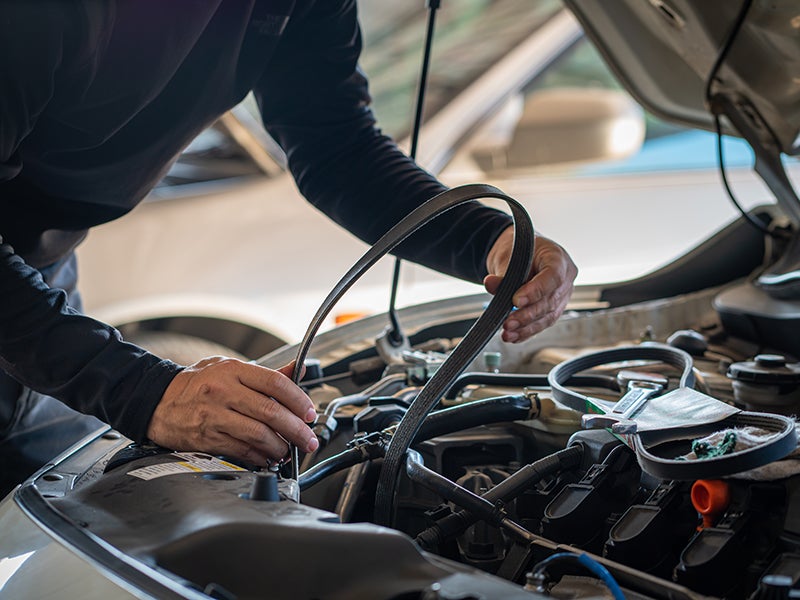
Not everyone just knows what's happening under the hood of their car. Learning about engine belts is one of the most important places to start. These components keep your vehicle running smoothly by connecting and powering key systems. Understanding what each belt does—and what happens when something goes wrong—can save you from unexpected breakdowns and costly repairs. What Are the Main Types of Engine Belts? Most modern vehicles have 2 primary engine belts you should know about: the serpentine belt and the timing belt. Each one plays a distinct role, and both are critical to your car's operation. The serpentine belt is a long, winding belt that wraps around multiple pulleys in the engine bay. It drives important accessories like the alternator, power steering pump, air conditioning compressor, and water pump. Without it, several systems in your vehicle would stop functioning almost immediately. The timing belt, on the other hand, is responsible for synchronizing the rotation of the crankshaft and camshaft. This ensures that the engine's valves open and close at the right time during each cylinder's firing cycle. Some vehicles use a timing chain instead of a belt, which is made of metal and generally lasts longer. What Do Engine Belts Actually Do? Think of engine belts as the connective tissue of your vehicle's mechanical systems. The serpentine belt keeps your battery charged, your steering responsive, your engine cool, and your cabin comfortable. If this belt slips or breaks, you'll notice the effects quickly. The timing belt controls the precise coordination of internal engine components. When it's functioning correctly, you may never think about it. But if it fails, the results can be severe—including engine damage that requires extensive repairs. That's why timing belt replacement is one of the most important scheduled maintenance services for many vehicles. How to Tell If Something Is Wrong with Your Engine Belts There are several warning signs that your engine belts may need attention. A high-pitched squealing noise from the engine bay is one of the most common indicators of a worn or slipping serpentine belt. If that dreaded Battery Warning Light appears on your dashboard, your power steering feeling stiff, or your engine is running hotter than usual, it’s time to head to the shop. For the timing belt, warning signs can be harder to detect before failure occurs. Some drivers notice a ticking noise from the engine or experience rough idling. Because timing belt failure can cause significant engine damage, it's important not to wait until symptoms appear. What Maintenance Do Engine Belts Need? Routine inspection is the most important thing you can do to keep your engine belts in good shape. Most manufacturers recommend replacing the serpentine belt every 60,000 to 100,000 miles, though this can vary depending on your vehicle. The timing belt typically needs replacement every 60,000 to 90,000 miles, but always consult your owner's manual for the specific interval recommended for your model. During routine service visits, a technician can visually inspect your belts for cracking, fraying, glazing, or signs of wear. Catching these issues early is far less expensive than dealing with a belt that snaps while you're driving. Keep Your Engine Belts in Check at Honda Auto Center of Bellevue Staying on top of engine belt maintenance is one of the smartest things you can do as a car owner. Whether it's your serpentine belt showing signs of wear or a timing belt that's due for replacement, regular service keeps your vehicle reliable and helps you avoid larger problems down the road. Drivers in Bellevue, WA can count on Honda Auto Center of Bellevue for thorough, honest service. We’re happy to explain anything you like and our trained technicians will check your belts along with anything else your vehicle may need at your request.

Why Is My Car Shaking While Idling? A Complete FAQ

Why Is My Car Shaking While Idling? A Complete FAQ

Have you ever noticed your car shaking while idling at a stop sign, red light, or even in your driveway? This is a common reason that drivers in Bellvue, WA bring their vehicles in for service. While getting a professional opinion on what is going on with your vehicle is always a good idea, it's worth understanding what might be causing it. The shaking can range from a subtle vibration to a noticeable rumble, and the cause varies depending on how severe it is and when it happens. In most cases, shaking while idling points to something mechanical that needs attention - but it doesn't always mean an emergency. Knowing the difference can save you time and stress. Why Is My Car Shaking at Red Lights or Stop Signs? Having a car shake at red lights is often tied to issues with the engine's ability to maintain a smooth, consistent idle. A few common culprits include worn spark plugs, a dirty fuel injector, a vacuum leak, or a failing idle air control valve. When any of these components isn't doing its job, the engine struggles to run evenly at low speeds. Spark plugs are frequently the problem. When they're worn or fouled, they can cause the engine to misfire, which creates that familiar shudder you feel while sitting at a light. Why Does My Car Shake When It's in Park? Shaking while the vehicle is in park typically comes from the same engine-related causes. However, if the vibration feels more pronounced in park or neutral than in drive, it may also be related to motor mounts. Motor mounts are designed to cushion the engine and reduce vibration. When they wear out, the engine movement transfers more directly into the cabin. A rough idle in park can also be a sign of a clogged air filter or a dirty mass airflow sensor, both of which affect how the engine manages fuel and air intake. Is a Car Shaking While Idling an Emergency? Not always, but it's also not something to ignore. If the shaking is mild and only happens occasionally, it's likely a maintenance issue that can be scheduled at your convenience. However, there are warning signs that suggest you should act sooner rather than later. You should treat it as more urgent if the check engine light is on, the shaking has gotten noticeably worse over a short period of time, the car is also stalling or hesitating, or you smell something unusual like burning or fuel. These signs together can indicate a more serious mechanical issue. Car shaking at red lights paired with a rough start or unusual exhaust smell should be brought in for professional service right away. What Maintenance Can Fix a Car That Shakes While Idling? Several routine maintenance services can resolve or prevent shaking while idling. A trained technician will typically start by checking the spark plugs and ignition system, inspecting the fuel injectors and throttle body, evaluating the motor and transmission mounts, testing the air filter and airflow sensors, and checking for any vacuum leaks in the intake system. In many cases, a tune-up that includes fresh spark plugs, a clean air filter, and a fuel system service is enough to smooth out the idle. Regular maintenance intervals help prevent these issues from developing in the first place. How Often Should I Have These Systems Inspected? Following your vehicle's recommended maintenance schedule is the best way to stay ahead of idle-related issues. Most manufacturers recommend inspecting the spark plugs, air filter, and fuel system at regular mileage intervals - typically every 30,000 miles or as outlined in your owner's manual. If you've been noticing some vibration at low speeds, it's a good idea to have a technician take a look before a minor issue becomes a larger repair. Visit Us for a Shaking While Idling Diagnosis If your vehicle is shaking while idling and you're not sure what's causing it, the service team at Honda Auto Center of Bellevue is ready to help. You can schedule a diagnostic appointment online and get answers quickly from a team that knows Honda vehicles inside and out. Don't wait for a small vibration to turn into a bigger problem - let us help you get back to a smooth, confident ride.

Understanding TPMS: What Every Honda Driver Should Know

Understanding TPMS: What Every Honda Driver Should Know

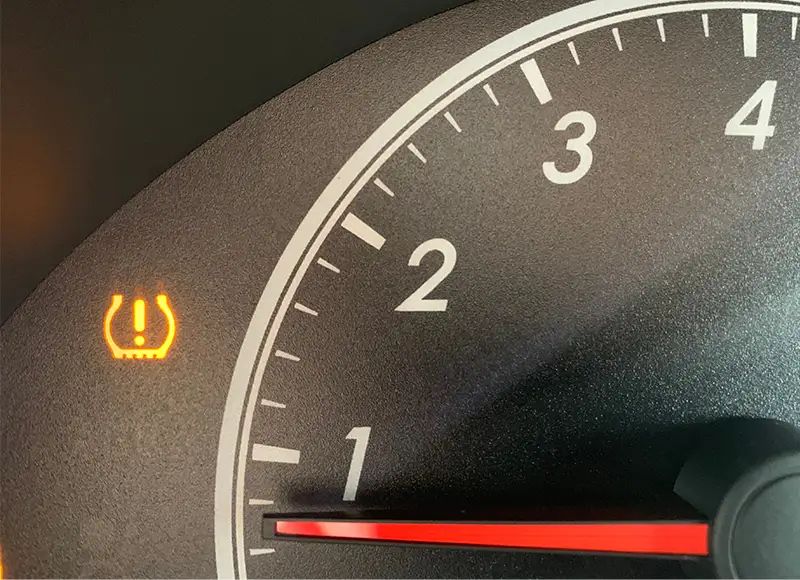
Understanding TPMS: What Every Honda Driver Should Know If you've ever seen a small warning light shaped like a cross-section of a tire pop up on your dashboard, that's from your vehicle's tire pressure monitoring system, or TPMS. This system plays an important role in keeping you safe on the road, and understanding how it works can help you know what to do when it comes on when you're driving around Bellevue, Wash. What Is TPMS and How Does It Work? TPMS is an electronic system designed to monitor the air pressure in your tires and alert you when one or more tires drop below a safe threshold. Most Hondas use a direct TPMS setup, which means each wheel has its own sensor that transmits real-time tire pressure data to your vehicle's onboard computer. When tire pressure drops roughly 25 percent below the recommended level, the TPMS warning light comes on. The sensors are battery-powered and typically last several years, but they do require maintenance over time. What to Pay Attention to When the Light Comes On When you see a TPMS warning, don't ignore it. A steady light usually indicates that one or more tires have low tire pressure. A flashing light, on the other hand, often signals a sensor malfunction rather than a pressure issue. Check all four tires with a manual gauge to verify your tire pressure levels. Even if one tire looks visually fine, it may still be underinflated. Temperature changes are a common reason tire pressure drops - cold weather can cause tire pressure to decrease noticeably, especially during seasonal shifts in the Pacific Northwest. How to Maintain Your TPMS Routine maintenance is the best way to keep your TPMS functioning properly. Check your tire pressure at least once a month and always before long drives. The correct tire pressure for your Honda is listed on the sticker inside the driver's side door jamb, not on the sidewall of the tire itself. When you rotate your tires or have new ones installed, the TPMS sensors may need to be reset or reprogrammed. If a sensor battery dies or a sensor becomes damaged during a tire change, it will need to be replaced by a certified technician. Neglecting sensor maintenance can result in inaccurate readings or a persistent warning light. When to See a Technician If your TPMS light stays on after you've inflated your tires to the correct pressure, or if it flashes continuously, it's time to schedule a service appointment. This typically indicates a sensor issue that needs professional diagnosis. Trying to drive long-term with a malfunctioning TPMS means losing the safety benefits the system is designed to provide. Trust Honda Auto Center of Bellevue With Your TPMS System Your TPMS is a simple but essential safety feature that keeps tabs on tire pressure so you don't have to guess. Knowing how it works, responding quickly when the warning light comes on, and keeping up with routine sensor maintenance will help you get the most out of this system. If your Honda's TPMS light is on or you're unsure about the condition of your sensors, drop by and see the service experts at Honda Auto Center of Bellevue or schedule a service appointment with a trained Honda technician.

Car Odor FAQs: What That Smell Means and How to Fix It

Car Odor FAQs: What That Smell Means and How to Fix It

It's never great when you get into your car and notice that something smells off. In many cases, an unfamiliar odor in your car is your vehicle's way of telling you that something needs attention. From musty interiors to sharp chemical smells, understanding what you're dealing with can help you act quickly and avoid bigger problems down the road. Keep reading for a look at what might be causing that smell in your car in Bellevue, Wash. What Are the Most Common Car Odors and What Do They Mean? Different odors can mean different things. A sweet, syrupy smell often indicates a coolant leak, which can be a sign of a failing radiator or heater core. A rotten egg or sulfur smell may point to a problem with your catalytic converter or a fuel system issue. If you notice a burning smell, it could be related to overheating brakes, a slipping clutch, or even an electrical issue. A musty or moldy smell is typically connected to moisture buildup in the cabin - often linked to a clogged cabin air filter or water intrusion. How Do I Get Rid of Bad Smells in My Car? Getting rid of car odor depends on the source. For musty or mildew smells, replacing a dirty cabin air filter is often the most effective step. A fresh air filter helps restore proper airflow and reduces the conditions that allow mold and bacteria to grow. For food or pet odors, a thorough vacuuming and a fabric-safe odor eliminator is a good idea. For mechanical smells like burning or sulfur, the fix usually requires a visit to a service technician who can diagnose and repair the underlying issue. Don't try to mask those smells - address them directly. Are Some Car Odors a Sign of a Safety Issue? Yes, and it's important to take them seriously. A gasoline smell inside the cabin could indicate a fuel leak, which is a fire hazard. A burning plastic or rubber smell might mean an electrical short or a component making unintended contact with heat. If you ever smell something sharp and chemical inside your vehicle while the heat or air conditioning is running, turn off the system and have it inspected. Carbon monoxide has no odor, but exhaust smells inside the car are a warning sign that fumes may be entering the cabin - roll down your windows and get your vehicle checked right away. How Can I Prevent Car Odors? Prevention goes a long way when it comes to keeping your car smelling fresh. Replacing your cabin air filter on schedule - typically every 15,000 to 25,000 miles - is one of the simplest and most effective things you can do. A clean air filter keeps allergens, dust, and bacteria from circulating through your vents. You should also avoid leaving food, damp clothing, or wet gear in your car for extended periods. Running your air conditioning periodically, even in cooler months, helps prevent moisture from settling in the system. Regular interior cleanings and prompt attention to any spills also make a big difference. When Should I Bring My Car In for a Smell-Related Concern? If the odor is chemical, burning, or related to fluids, it's best not to wait. A quick inspection can help rule out anything serious and give you peace of mind. Drivers throughout Bellevue, WA, can schedule a service visit with the team at Honda Auto Center of Bellevue for a thorough look at what's causing the smell. If it's a routine air filter swap or a more involved repair, addressing car odor early is always the smarter move.

Roadside Assistance and Car Breakdown Help: What to Do When Your Vehicle Stops Running

Roadside Assistance and Car Breakdown Help: What to Do When Your Vehicle Stops Running

A vehicle breakdown can happen unexpectedly, whether you are commuting through Seattle traffic, traveling across Bellevue, or heading out on a longer road trip. Knowing what steps to take when your car stops working can help you stay safe and get the support you need as quickly as possible. Roadside assistance services are designed to provide drivers with help during unexpected vehicle issues. From a dead battery and flat tire to lockouts and towing needs, roadside support offers solutions that can help you get back on the road or safely transport your vehicle for additional service. For drivers throughout Bellevue, WA, and the surrounding Seattle area, having access to dependable car breakdown help provides added confidence during everyday driving. Understanding common roadside emergencies and available assistance options can make stressful situations easier to manage. What Should I Do If My Car Breaks Down? When a vehicle stops operating properly, the first priority is safety. Moving to a secure location and assessing the situation can help prevent additional risks while waiting for assistance. Whether your vehicle loses power, experiences a mechanical issue, or develops a tire problem, staying calm and following the right steps is important. more If your car breaks down, consider these steps: Move your vehicle away from traffic when possible and turn on hazard lights. Remain aware of your surroundings, especially when stopped near busy roads. Contact roadside assistance for professional help. Provide your location, vehicle details, and a description of the issue. Avoid attempting repairs in unsafe conditions. Modern vehicles include many advanced systems designed to improve reliability, but unexpected problems can still occur. Regular maintenance, inspections, and timely service can reduce the likelihood of breakdowns, but roadside assistance remains an important resource when problems happen. What Does Roadside Assistance Cover? Roadside assistance provides support for many common vehicle emergencies. The exact services available may vary depending on your coverage, vehicle ownership benefits, or service provider, but most programs are designed to address common situations drivers experience. Car breakdown help may include: Towing services when a vehicle cannot be safely driven. Battery jump-start assistance for vehicles with a discharged battery. Flat tire assistance when a tire needs replacement or repair. Lockout assistance if keys are accidentally locked inside the vehicle. Fuel delivery assistance when a vehicle runs out of fuel. Help locating additional automotive services when needed. These services can be especially valuable during inconvenient situations, such as early morning commutes, nighttime driving, or long-distance travel. Having access to roadside support helps drivers know they have options when their vehicle needs immediate attention. How Can I Prevent a Car Breakdown? While some vehicle problems are unavoidable, routine maintenance can help identify potential issues before they lead to unexpected breakdowns. Following recommended service intervals helps keep important vehicle systems operating properly. Many breakdown-related problems are connected to components that require regular inspection, including batteries, tires, fluids, and braking systems. Addressing small concerns early can help prevent larger issues in the future. Drivers can help reduce breakdown risks by: Checking tire pressure regularly and monitoring tire condition. Following recommended oil change schedules. Inspecting battery condition and electrical connections. Maintaining proper fluid levels. Paying attention to unusual noises, warning lights, or performance changes. Professional service technicians can also identify wear and maintenance needs during routine appointments. Regular visits to a trusted service department help keep vehicles prepared for daily driving conditions throughout Bellevue and Seattle. What Are Common Reasons Cars Need Roadside Assistance? Vehicle breakdowns can happen for many reasons, ranging from simple issues to more complex mechanical concerns. Understanding common causes can help drivers recognize warning signs and take preventative action. Some of the most common reasons drivers request roadside assistance include: Dead or weak batteries caused by age, weather, or electrical issues. Flat tires caused by punctures, damage, or worn tread. Engine problems that prevent normal vehicle operation. Overheating caused by cooling system concerns. Lost keys or accidental vehicle lockouts. Running out of fuel during travel. Battery issues are among the most frequent causes of roadside service calls. Temperature changes, frequent short trips, and vehicle age can affect battery performance over time. Routine battery inspections can help determine when replacement or service may be needed. Why Is Reliable Car Breakdown Help Important in Seattle? Driving conditions throughout the Seattle area can vary depending on traffic, weather, and travel distance. A vehicle issue during a busy commute or on an unfamiliar road can create additional challenges without access to reliable assistance. Roadside assistance provides support when drivers need immediate help. Instead of attempting potentially unsafe repairs or arranging transportation on their own, drivers can connect with professionals who understand how to handle vehicle emergencies. Reliable roadside support is valuable because it provides: Assistance during unexpected vehicle problems. Professional support when a vehicle cannot continue driving. Added confidence during daily commutes and road trips. Help coordinating towing or additional service needs. Peace of mind for drivers and passengers. Having a plan before an emergency happens allows drivers to respond more effectively when their vehicle requires attention. How Does Vehicle Maintenance Support Roadside Reliability? Routine vehicle maintenance plays an important role in reducing unexpected problems. A properly maintained vehicle is better prepared for everyday driving demands, changing weather conditions, and longer trips. Service appointments allow technicians to inspect important components and identify potential concerns. Maintenance services such as oil changes, tire rotations, brake inspections, and battery checks help support vehicle performance over time. Important maintenance services include: Oil and filter changes to support engine performance. Tire inspections to maintain proper handling and safety. Brake checks to monitor wear and performance. Battery testing to identify charging concerns. Fluid inspections to support vehicle systems. Maintaining your vehicle does not eliminate every possible issue, but it can help address problems before they become larger concerns. A consistent service schedule is one of the best ways to support dependable transportation. Unexpected vehicle problems can be frustrating, but knowing where to turn for help can make the experience easier. Roadside assistance provides valuable support for common emergencies, while routine maintenance helps drivers stay prepared for the road ahead. Honda Auto Center of Bellevue supports drivers in Bellevue and the Seattle area with automotive expertise, vehicle service resources, and helpful guidance. Whether you need car breakdown help, routine maintenance, or information about keeping your vehicle dependable, the dealership team is available to assist. Schedule your next service appointment and keep your vehicle ready for every drive.

How Hybrid Vehicles Work and the Difference Between HEV vs. PHEV - 2026 Honda Civic Hatchback Hybrid

How Hybrid Vehicles Work and the Difference Between HEV vs. PHEV

Hybrid vehicles have become an increasingly popular choice for drivers who want improved efficiency, advanced technology, and a practical alternative to traditional gasoline-powered vehicles. By combining an internal combustion engine with electric motor technology, hybrids provide a unique driving experience that balances performance and fuel efficiency. For drivers near Bellevue and Seattle, understanding how hybrid vehicles operate can help determine which type of electrified vehicle best fits their daily driving needs. Two of the most common hybrid systems are Hybrid Electric Vehicles (HEVs) and Plug-In Hybrid Electric Vehicles (PHEVs). While both use electric motors and gasoline engines, the way they store and use energy is different. Honda hybrid models are designed to deliver smooth performance, responsive acceleration, and efficient operation while maintaining the comfort and reliability drivers expect from the brand. How Do Hybrid Vehicles Work? A hybrid vehicle uses two sources of power: a gasoline engine and one or more electric motors. These systems work together to provide power while reducing the amount of fuel needed during certain driving conditions. Instead of relying only on gasoline, hybrid technology allows the vehicle to use stored electrical energy to assist the engine. more The hybrid system automatically determines the most efficient way to deliver power based on driving conditions. During low-speed driving, acceleration, cruising, or braking, the vehicle can adjust between gasoline power, electric power, or a combination of both. Key components of a hybrid vehicle include: Gasoline engine that provides traditional vehicle power. Electric motor that assists with acceleration and driving efficiency. Battery pack that stores electrical energy for the electric motor. Regenerative braking system that captures energy during braking. Hybrid control system that manages power distribution between components. Regenerative braking is one of the most important features of hybrid technology. When a driver slows down, the system captures energy that would normally be lost as heat through the brakes. That energy is converted into electricity and stored in the battery, helping power the electric motor later. What Is an HEV (Hybrid Electric Vehicle)? A Hybrid Electric Vehicle, commonly called an HEV, uses a gasoline engine and electric motor without needing to be plugged into an external power source. The vehicle charges its battery automatically through regenerative braking and energy generated by the gasoline engine. HEVs are designed for drivers who want hybrid benefits without changing their regular driving habits. Since the battery charges while driving, owners do not need to search for charging stations or install home charging equipment. Benefits of an HEV include: No need to plug in the vehicle to recharge the battery. Automatic switching between gasoline and electric power. Improved efficiency during city driving and stop-and-go traffic. Familiar fueling process similar to a traditional vehicle. Reduced reliance on gasoline compared with conventional models. Honda hybrid vehicles use advanced engineering to create a seamless transition between electric and gasoline power. Drivers may notice quiet electric operation at certain speeds, smooth acceleration, and efficient power management during everyday commutes. What Is a PHEV (Plug-In Hybrid Electric Vehicle)? A Plug-In Hybrid Electric Vehicle, known as a PHEV, combines a gasoline engine and electric motor while offering a larger battery that can be charged through an external power source. Unlike an HEV, a PHEV can typically travel longer distances using electric power alone before the gasoline engine becomes necessary. PHEVs provide flexibility because drivers can use electric power for shorter trips while still having a gasoline engine available for longer journeys. This makes them appealing for commuters who want electric driving capability without depending entirely on charging infrastructure. Important PHEV features include: Rechargeable battery that can be charged using a home or public charging station. Ability to drive using electric power alone for certain distances. Gasoline engine support for extended driving range. Flexible operation for both daily commuting and longer trips. Reduced gasoline use when charging regularly. Drivers who have predictable daily routes may benefit from a PHEV because many routine trips can potentially be completed using electric power before switching to gasoline operation. HEV vs. PHEV: What Is the Difference? The main difference between an HEV and a PHEV is how the battery is charged and how much electric-only driving capability the vehicle provides. Both systems improve efficiency by combining electric and gasoline power, but they are designed for different driving preferences. An HEV automatically manages its battery charging while driving, making it a convenient choice for drivers who want hybrid efficiency without plugging in. A PHEV offers more electric driving capability but requires access to charging to maximize its benefits. The main differences between HEV and PHEV technology include: HEVs recharge through regenerative braking and the gasoline engine, while PHEVs can be plugged into an external charger. PHEVs generally have larger battery packs than HEVs. HEVs operate without requiring charging equipment. PHEVs can provide electric-only driving for certain distances. HEVs are often ideal for drivers with varied driving patterns, while PHEVs may benefit drivers with consistent charging access. Choosing between an HEV and PHEV depends on driving habits, access to charging, commute length, and personal preferences. Both options provide an efficient way to enjoy the advantages of electrified driving. Are Hybrid Vehicles Good for Seattle and Bellevue Drivers? Hybrid vehicles can be a practical option for drivers throughout the Seattle area. Daily commuting, traffic conditions, and frequent stop-and-go driving create situations where hybrid technology can provide noticeable efficiency advantages. HEV models are especially convenient for urban driving because they can recover energy during frequent braking and use electric assistance during lower-speed situations. PHEVs can also be a strong option for drivers who have access to charging at home or work. Hybrid vehicles are commonly chosen by drivers who want: Efficient commuting options for city and highway driving. Advanced technology without giving up gasoline-powered range. Lower fuel consumption compared with many traditional vehicles. Smooth and quiet operation. Modern safety and convenience features. The right hybrid vehicle depends on how and where you drive. A dealership experienced with Honda hybrid models can help you compare available options and determine which technology aligns with your routine. What Are the Benefits of Choosing Honda Hybrid Vehicles? Honda has developed hybrid technology to provide a balance of efficiency, performance, and everyday usability. Honda hybrid models incorporate electric motors with gasoline engines to deliver responsive driving while helping drivers reduce fuel consumption. Many Honda hybrid vehicles include features that enhance the ownership experience, such as advanced driver-assistance technology, intuitive infotainment systems, and comfortable interiors. These models are designed to provide the same practicality drivers expect while adding hybrid efficiency. Honda hybrid advantages include: Smooth power delivery from electric and gasoline systems. Intelligent energy management that automatically adjusts performance. Available advanced safety technologies. Comfortable designs suited for commuting and family driving. Reliable engineering built for everyday use. Whether choosing an HEV or exploring plug-in hybrid options, Honda vehicles offer drivers a way to experience electrified technology while maintaining the flexibility needed for daily transportation. Explore Honda Hybrid Vehicles Near Bellevue, WA Understanding how hybrid vehicles work makes it easier to choose the right electrified option for your lifestyle. HEVs provide convenient hybrid efficiency without requiring charging, while PHEVs offer additional electric driving capability with the flexibility of gasoline power. Honda Auto Center of Bellevue helps drivers near Seattle explore available Honda hybrid models and learn more about HEV and PHEV technology. From comparing features to finding the right vehicle for your commute, the dealership team can provide helpful information throughout the shopping process. Explore Honda hybrid vehicles today and discover how advanced hybrid technology can support your next drive.

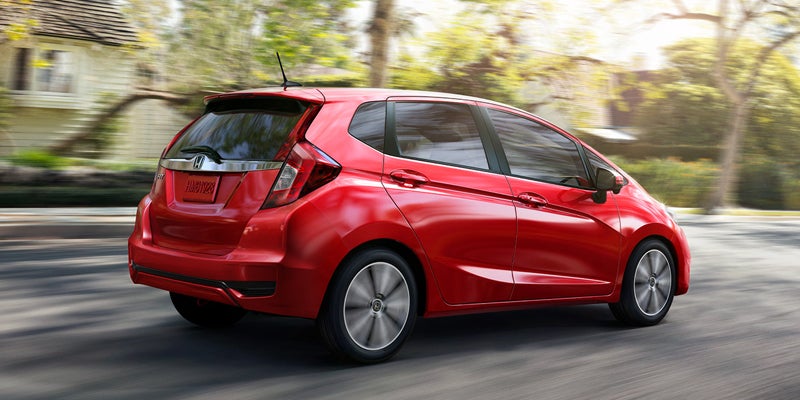
Used Cars FAQ: What to Know Before Buying a Used Car in Seattle, WA - 2019 Honda Fit

Used Cars FAQ: What to Know Before Buying a Pre-Owned Vehicle in Seattle, WA

Shopping for a used car involves more than finding a vehicle that fits your budget and lifestyle. Drivers throughout Seattle, WA, often consider factors such as vehicle condition, ownership history, reliability, available features, and long-term value before making a purchase. A well-researched used vehicle can provide years of dependable transportation while offering access to modern technology, comfort features, and performance capabilities. At Honda Auto Center of Bellevue, shoppers can explore a variety of quality pre-owned vehicles while receiving guidance from a knowledgeable automotive team. Understanding what to look for when buying a used car can help make the process easier and provide confidence when selecting the right vehicle. What Should I Look For When Buying a Used Car? A used vehicle should be evaluated based on more than appearance alone. While exterior condition and interior comfort are important, mechanical condition, maintenance history, and ownership records provide a clearer picture of the vehicle’s overall value. Taking time to review important details can help drivers make informed decisions. more Many shoppers begin by identifying their needs, including passenger space, fuel efficiency, cargo capacity, driving habits, and desired features. A commuter in Seattle may prioritize a fuel-efficient sedan or compact SUV, while families may prefer a larger SUV with additional seating and storage options. Important factors to consider when shopping for a pre-owned vehicle include: Vehicle history report that provides information about previous ownership, reported accidents, service records, and title history. Mileage compared with the vehicle’s age, condition, and maintenance history. Inspection results that help identify potential mechanical concerns. Available safety technology, connectivity features, and driver-assistance systems. Previous maintenance records that show how well the vehicle was cared for. A vehicle history report is one of the most valuable resources available when purchasing a used car. This report can provide insight into a vehicle’s background and help shoppers better understand its previous use. Reviewing this information alongside a professional inspection creates a more complete picture of the vehicle before purchase. Why Is a Vehicle History Report Important for Used Cars? A vehicle history report helps answer many common questions that arise during the used car buying process. Buyers often want to know whether a vehicle has been involved in an accident, how many owners it has had, whether it has a clean title, and if maintenance records are available. This information allows shoppers to move forward with greater confidence. A report can reveal important details that may not be visible during a walk-around inspection, such as previous damage, ownership changes, or reported service events. When reviewing a vehicle history report, shoppers should pay attention to: Accident and damage history that may affect vehicle condition. Title information that confirms the vehicle’s status. Service records showing routine maintenance and repairs. Number of previous owners and how the vehicle was used. Odometer information to verify reported mileage. Used car shoppers in the Seattle area can benefit from reviewing vehicle history information before scheduling a test drive or finalizing a purchase. This step helps create a more transparent buying experience and supports better decision-making. How Can I Find Reliable Used Cars Near Seattle? Finding a dependable used car starts with choosing a dealership that offers a carefully selected inventory and helpful resources throughout the process. A reputable dealership provides access to vehicles that have been reviewed for quality while helping shoppers compare different options based on their needs. Drivers near Seattle, Bellevue, and surrounding communities can explore pre-owned inventory that includes a wide range of makes and models. Whether searching for a daily commuter vehicle, family SUV, or dependable truck, having access to different options makes it easier to find the right match. When searching for a reliable used vehicle, consider: Dealership reputation and customer reviews. Available vehicle details and online inventory information. Financing resources that simplify the purchasing process. Trade-in opportunities for drivers replacing their current vehicle. Professional assistance from automotive experts. A used car dealership can also help answer important questions about vehicle features, ownership history, maintenance information, and available options. Working with experienced professionals allows shoppers to compare vehicles with more confidence. What Used Car Features Should I Consider? Modern used vehicles often include many of the same advanced features found in newer models. Technology, safety systems, and comfort amenities have become important considerations for many drivers. Choosing the right features depends on personal preferences, driving conditions, and everyday needs. Seattle drivers often look for vehicles that provide convenience during daily commutes, weekend trips, and changing weather conditions. Features such as smartphone integration, advanced safety systems, all-wheel drive availability, and efficient powertrains can add value to a pre-owned vehicle. Popular features to consider include: Apple CarPlay and Android Auto compatibility for convenient smartphone access. Blind spot monitoring and rear cross traffic alert for added awareness. Adaptive cruise control for highway driving. Heated seating and climate control features for seasonal comfort. Flexible cargo areas for shopping, recreation, and travel needs. Honda vehicles are known for their reputation for practicality, efficiency, and long-term dependability. Pre-owned Honda models can offer drivers access to these qualities while providing a wide range of features designed for everyday driving. Is It Better to Buy a Used Car From a Dealership? Many drivers choose dealership used cars because they appreciate having access to vehicle information, professional support, and additional resources during the buying process. Dealerships provide an organized shopping experience where customers can compare vehicles, review available details, and receive assistance with important steps. Buying from a dealership also allows shoppers to ask questions about the vehicle’s history, condition, and features. This guidance can be especially helpful for first-time used car buyers or anyone looking to replace their current vehicle. Benefits of shopping for a used car through a dealership include: Access to a diverse selection of pre-owned vehicles. Assistance from knowledgeable automotive professionals. Help understanding vehicle features and ownership history. Convenient financing and trade-in resources. A more structured purchasing experience. For drivers throughout Seattle and Bellevue, purchasing a used vehicle from a trusted dealership can make the process more straightforward. The right dealership provides helpful information so shoppers can choose a vehicle that matches their expectations. What Questions Should I Ask Before Buying a Used Vehicle? Before purchasing a pre-owned vehicle, shoppers should feel comfortable asking detailed questions about the car’s background and condition. Understanding important details before making a decision helps prevent surprises later. Questions about maintenance, ownership history, inspection results, and available features can provide valuable insight. A knowledgeable dealership team can help explain vehicle information and guide customers through the process. Helpful questions to consider include: Does the vehicle have a complete vehicle history report? Has the vehicle received regular maintenance? Are service records available for review? What features and technology systems are included? Has the vehicle undergone an inspection? Are there multiple similar vehicles available to compare? Taking the time to gather information allows shoppers to make choices based on facts rather than assumptions. A thoughtful approach to used car shopping can lead to a vehicle that provides reliable performance and lasting value. Find Quality Used Cars Near Seattle at Honda Auto Center of Bellevue Choosing a used car requires careful consideration, research, and access to accurate vehicle information. From reviewing a vehicle history report to comparing features and evaluating condition, each step plays an important role in finding the right pre-owned vehicle. Honda Auto Center of Bellevue helps drivers explore used cars with helpful resources, knowledgeable support, and a selection designed to meet a variety of needs. Whether searching for a Honda model or another trusted automotive brand, shoppers near Seattle can find options that fit their lifestyle. Explore available used inventory today and discover how the right pre-owned vehicle can provide dependable transportation for your daily drives and future adventures.

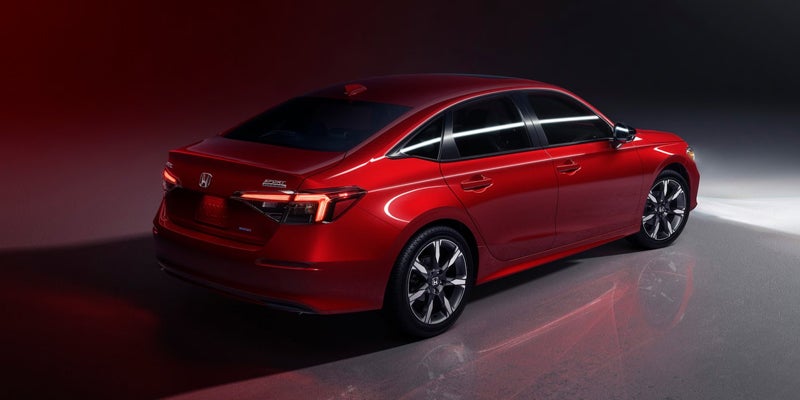
Washington State Electric Vehicle Incentives: A Guide for EV Buyers in Bellevue, WA - 2026 Honda Civic Sedan Hybrid

Washington State Electric Vehicle Incentives: A Guide for EV Buyers in Bellevue, WA

Electric vehicles continue to grow in popularity among Washington drivers who want advanced technology, efficient performance, and an alternative to traditional gasoline-powered vehicles. As more drivers consider making the switch to electric, understanding available Washington State electric vehicle incentives can help simplify the research process. Washington has developed programs and resources designed to encourage cleaner transportation options, including incentives for qualifying electric vehicles and charging infrastructure. Available opportunities can change based on vehicle type, eligibility requirements, and program availability, so reviewing current information is an important step before purchasing or leasing an EV. For drivers in Bellevue, Seattle, and surrounding communities, exploring EV incentives alongside vehicle options can provide a better understanding of what electric ownership may look like. What Are Washington State Electric Vehicle Incentives? Washington State electric vehicle incentives are programs that may help eligible drivers reduce some of the costs associated with transitioning to electric transportation. These incentives can include rebates, tax-related benefits, charging support programs, and other opportunities designed to make EV ownership more accessible. more The availability of incentives depends on several factors, including the type of vehicle, whether it is new or used, program requirements, and whether the applicant qualifies. Drivers should review current state and local program details before making a purchase decision because incentive requirements may change over time. Common EV incentive resources may include: Rebates for qualifying electric vehicles. Incentives for used electric vehicles. Programs that support EV charging access. Utility-based charging programs. Commercial vehicle electrification incentives. Understanding these opportunities can help shoppers compare electric vehicles with greater confidence while considering the long-term benefits of EV ownership. Are There EV Rebates Available in Washington State? Many drivers searching for WA EV incentives want to know whether rebates are available when purchasing an electric vehicle. Washington programs have included incentives designed to support EV adoption, including opportunities focused on making electric transportation more accessible for qualifying residents. Available rebates and incentives can vary depending on current funding, eligibility requirements, and program guidelines. Some programs focus specifically on certain income qualifications, vehicle types, or ownership situations. Drivers interested in potential EV rebates should consider: Reviewing current Washington incentive requirements. Confirming whether a specific vehicle qualifies. Checking available state and local programs. Understanding application deadlines or participation requirements. Keeping purchase documents for eligible programs. Because EV incentive programs can change, staying informed before purchasing helps ensure drivers understand available opportunities. What Electric Vehicles May Qualify for Washington Incentives? Eligibility for EV incentives depends on program guidelines and vehicle requirements. Not every electric vehicle automatically qualifies for every available incentive, making it important for shoppers to verify details before completing a purchase. Factors that may influence eligibility include: Vehicle classification and powertrain type. New or used vehicle status. Purchase or lease requirements. Residency qualifications. Program-specific rules. Electric vehicles include several different categories, including battery electric vehicles (BEVs), plug-in hybrid electric vehicles (PHEVs), and other electrified options. Each vehicle type may have different requirements depending on the incentive program being considered. A dealership team familiar with EV options can help shoppers understand available vehicle choices and provide general guidance on researching current programs. Are Used Electric Vehicles Eligible for Washington EV Incentives? Used electric vehicles can be an appealing option for drivers who want EV technology while exploring a wider range of vehicles. Some Washington EV incentives have included programs supporting used electric vehicle purchases, helping more drivers consider pre-owned EV options. Buying a used EV also allows shoppers to explore different models, features, and technology levels. Many pre-owned electric vehicles include advanced safety features, smartphone connectivity, and modern charging capabilities. When shopping for a used electric vehicle, consider: Reviewing battery information and vehicle history. Checking available warranty coverage. Understanding charging requirements. Comparing electric range estimates. Researching available incentives before purchase. A vehicle history report and professional dealership support can help shoppers better understand a used EV’s condition and ownership background. Does Washington Offer EV Charging Incentives? Charging access is an important part of EV ownership. Washington has continued efforts to expand charging infrastructure and support electric transportation throughout the state. The Washington State Department of Transportation has announced investments to expand EV charging access in multiple communities through infrastructure programs. For many EV drivers, charging at home provides convenient daily support, while public charging stations offer additional flexibility for longer trips. Understanding charging options can help drivers decide whether an electric vehicle fits their routine. EV charging considerations include: Availability of home charging options. Public charging locations near work and travel routes. Charging speed differences between Level 1, Level 2, and DC fast charging. Utility programs that may support EV charging. Drivers in Bellevue and Seattle often have access to a growing network of charging resources, making EV ownership increasingly practical for daily transportation. Are Electric Vehicles a Good Choice for Washington Drivers? Washington drivers have unique conditions that can make electric vehicles an attractive option. Daily commuting, urban driving, and access to charging infrastructure all play a role in determining whether an EV fits a driver’s lifestyle. Electric vehicles can provide several advantages, including: Quiet operation and smooth acceleration. Reduced dependence on gasoline. Advanced vehicle technology. Convenient home charging options. Fewer traditional engine maintenance requirements. EV ownership is not the same experience as driving a traditional gasoline vehicle. Charging habits, driving distance, and access to charging locations should all be considered when choosing an electric vehicle. For some drivers, a fully electric vehicle may provide everything they need. Others may prefer a hybrid or plug-in hybrid option that combines electric technology with gasoline-powered flexibility. How Do I Find the Right Electric Vehicle Near Bellevue? Choosing an electric vehicle involves more than comparing available incentives. Drivers should also consider range, charging needs, vehicle size, features, comfort, and everyday driving habits. Honda electric and electrified vehicles provide drivers with access to modern technology and efficient performance while maintaining the practicality expected from the brand. Comparing different models allows shoppers to find a vehicle that matches their commute, lifestyle, and transportation goals. When researching an EV, consider: How far you typically drive each day. Whether home charging is available. Desired vehicle size and passenger space. Available technology and safety features. Long-term ownership expectations. Working with an experienced dealership can make it easier to explore EV options and understand available features before making a decision. Explore Electric Vehicles and EV Resources at Honda Auto Center of Bellevue Washington State electric vehicle incentives can help drivers better understand available opportunities when considering an EV purchase or lease. From researching rebates to comparing electric vehicle options, taking time to gather information helps create a more confident shopping experience. Honda Auto Center of Bellevue helps drivers in Bellevue and the Seattle area explore modern Honda vehicles, including electrified options designed for changing transportation needs. Whether you are researching EV incentives, charging options, or available models, the dealership team can help provide the information needed for your next vehicle decision. Explore available electric vehicle options today and learn more about how EV technology can fit into your daily driving routine.

Tires FAQ: Essential Information Every Vehicle Owner Should Know

Tires FAQ: Essential Information Every Vehicle Owner Should Know

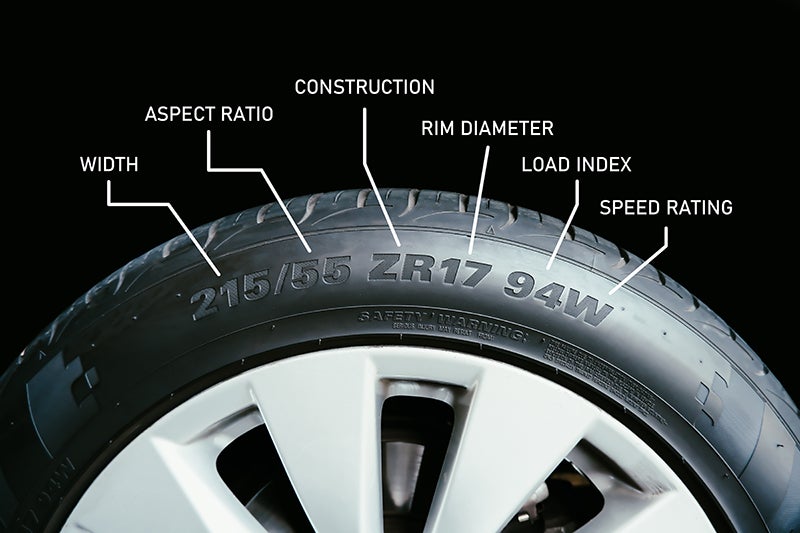
Maintaining your tires is a critical part of vehicle safety, performance, and efficiency. At Honda Auto Center of Bellevue in Bellevue, WA, we understand that many drivers have questions about tires, from reading sidewall codes to recognizing wear patterns and understanding maintenance schedules. This guide addresses the most common inquiries and provides detailed insights to help you make informed decisions about tire care. What Do the Numbers and Codes on My Tire Mean? Every tire carries a series of numbers and letters on its sidewall that convey important specifications. Interpreting these correctly ensures proper tire replacement and vehicle performance. Passenger vs. Light Truck Tires: The initial letter, such as “P” for passenger vehicles or “LT” for light trucks, indicates the type of vehicle for which the tire is designed. Width and Aspect Ratio: The three-digit number following the letter represents the tire’s width in millimeters, while the number after the slash shows the aspect ratio, comparing sidewall height to width. Construction and Diameter: The “R” indicates radial construction, and the final number denotes wheel diameter in inches. Load Index and Speed Rating: A combination of numbers and letters near the end specifies maximum load capacity and speed capability. more Proper understanding of these codes ensures that replacements match your vehicle’s original specifications, maintaining safety, handling, and fuel efficiency. How Often Should You Rotate Tires? Tire rotation is a preventive maintenance step that extends the life of your tires and ensures even wear. Uneven wear can affect braking, handling, and fuel economy. Recommended Intervals: Most manufacturers suggest rotating tires every 5,000 to 7,500 miles. Integrating rotations with routine oil changes makes scheduling convenient. Wear Patterns: Front-wheel-drive vehicles often experience faster wear on front tires due to steering and power delivery. Rear tires typically wear more slowly. Rotation Methods: Patterns include forward cross, rearward cross, and X-pattern rotations depending on drivetrain type. Proper rotation keeps all tires performing optimally. Regular tire rotation prevents early replacement and maintains consistent traction across all four tires. How Can I Tell When My Tires Need Replacement? Identifying when tires require replacement is crucial for safety and performance. Several indicators help determine tire condition: Tread Depth: The penny test remains a simple method—if Lincoln’s head is fully visible when inserted into the tread, replacement is necessary. Age: Rubber degrades over time regardless of mileage. Most manufacturers recommend replacement after six years. Uneven Wear: Unequal tread patterns can indicate alignment or suspension issues that need professional attention. Visible Damage: Bulges, cracks, or sidewall damage are warning signs of internal deterioration. Recognizing these signs early allows for timely intervention, reducing the risk of blowouts and improving vehicle handling. What Are the Most Common Tire Problems and How Can I Address Them? Tires are subject to multiple stressors from the road and driving conditions. Understanding common problems helps prevent accidents and costly repairs: Flat Tires: If a tire fails while driving, maintain control, slow gradually, and move to a safe location. Use a spare if equipped, or contact roadside assistance. Vibration or Shaking: This may indicate unbalanced tires, misalignment, or suspension issues. Immediate inspection prevents additional wear. Slow Leaks: Regularly check tire pressure and look for punctures. Low pressure affects handling, fuel economy, and tire longevity. Overheating and Wear: Excessive heat from underinflation or towing can accelerate wear. Proper maintenance and tire pressure monitoring are essential. Professional inspections help address issues before they become hazardous or lead to uneven wear patterns. How Does Home Maintenance Support Tire Longevity? Routine care at home enhances tire life and performance: Monitor Tire Pressure: Maintain recommended PSI for consistent handling and fuel efficiency. Check Alignment: Misaligned wheels can cause rapid, uneven wear. Inspect for Damage: Look for cuts, punctures, and sidewall cracks. Clean and Rotate: Removing debris and rotating tires regularly maintains optimal performance. Combining these practices with professional checks ensures your tires remain safe and reliable throughout their lifecycle. How Do I Select the Right Tires for My Vehicle? Choosing the proper tires depends on your vehicle type, driving habits, and local climate conditions: All-Season vs. Seasonal Tires: All-season tires offer year-round performance, while winter tires improve traction in snow and ice. Load and Speed Ratings: Match ratings to your vehicle specifications to maintain safety and performance. Tread Patterns: Directional, asymmetric, and symmetric treads offer distinct benefits in traction, handling, and noise reduction. Consulting our technicians ensures the selection aligns with your driving needs and the specifications recommended by the manufacturer. When Should I Schedule Tire Inspection and Maintenance? Maintaining tires is a key factor in overall vehicle safety and performance. At Honda Auto Center of Bellevue, our certified technicians provide detailed tire inspections, rotations, balancing, and alignment services to ensure your vehicle is safe and road-ready. Drivers throughout Bellevue, WA, can rely on our team to extend tire life, optimize performance, and prevent avoidable issues. Regular maintenance not only enhances safety but also helps you maximize your investment in your tires and vehicle.

Contact Us

Fill out this form below and we'll contact you shortly
*Required Fields