

Hybrid vehicles have become an increasingly popular choice for drivers who want improved efficiency, advanced technology, and a practical alternative to traditional gasoline-powered vehicles. By combining an internal combustion engine with electric motor technology, hybrids provide a unique driving experience that balances performance and fuel efficiency.
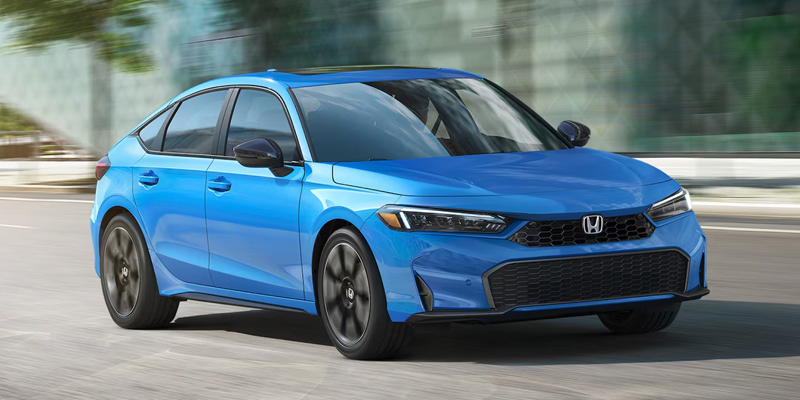
For drivers near Bellevue and Seattle, understanding how hybrid vehicles operate can help determine which type of electrified vehicle best fits their daily driving needs. Two of the most common hybrid systems are Hybrid Electric Vehicles (HEVs) and Plug-In Hybrid Electric Vehicles (PHEVs). While both use electric motors and gasoline engines, the way they store and use energy is different.
Honda hybrid models are designed to deliver smooth performance, responsive acceleration, and efficient operation while maintaining the comfort and reliability drivers expect from the brand.
How Do Hybrid Vehicles Work?
A hybrid vehicle uses two sources of power: a gasoline engine and one or more electric motors. These systems work together to provide power while reducing the amount of fuel needed during certain driving conditions. Instead of relying only on gasoline, hybrid technology allows the vehicle to use stored electrical energy to assist the engine.
The hybrid system automatically determines the most efficient way to deliver power based on driving conditions. During low-speed driving, acceleration, cruising, or braking, the vehicle can adjust between gasoline power, electric power, or a combination of both.
Key components of a hybrid vehicle include:
- Gasoline engine that provides traditional vehicle power.
- Electric motor that assists with acceleration and driving efficiency.
- Battery pack that stores electrical energy for the electric motor.
- Regenerative braking system that captures energy during braking.
- Hybrid control system that manages power distribution between components.
Regenerative braking is one of the most important features of hybrid technology. When a driver slows down, the system captures energy that would normally be lost as heat through the brakes. That energy is converted into electricity and stored in the battery, helping power the electric motor later.
What Is an HEV (Hybrid Electric Vehicle)?
A Hybrid Electric Vehicle, commonly called an HEV, uses a gasoline engine and electric motor without needing to be plugged into an external power source. The vehicle charges its battery automatically through regenerative braking and energy generated by the gasoline engine.
HEVs are designed for drivers who want hybrid benefits without changing their regular driving habits. Since the battery charges while driving, owners do not need to search for charging stations or install home charging equipment.
Benefits of an HEV include:
- No need to plug in the vehicle to recharge the battery.
- Automatic switching between gasoline and electric power.
- Improved efficiency during city driving and stop-and-go traffic.
- Familiar fueling process similar to a traditional vehicle.
- Reduced reliance on gasoline compared with conventional models.
Honda hybrid vehicles use advanced engineering to create a seamless transition between electric and gasoline power. Drivers may notice quiet electric operation at certain speeds, smooth acceleration, and efficient power management during everyday commutes.
What Is a PHEV (Plug-In Hybrid Electric Vehicle)?
A Plug-In Hybrid Electric Vehicle, known as a PHEV, combines a gasoline engine and electric motor while offering a larger battery that can be charged through an external power source. Unlike an HEV, a PHEV can typically travel longer distances using electric power alone before the gasoline engine becomes necessary.
PHEVs provide flexibility because drivers can use electric power for shorter trips while still having a gasoline engine available for longer journeys. This makes them appealing for commuters who want electric driving capability without depending entirely on charging infrastructure.
Important PHEV features include:
- Rechargeable battery that can be charged using a home or public charging station.
- Ability to drive using electric power alone for certain distances.
- Gasoline engine support for extended driving range.
- Flexible operation for both daily commuting and longer trips.
- Reduced gasoline use when charging regularly.
Drivers who have predictable daily routes may benefit from a PHEV because many routine trips can potentially be completed using electric power before switching to gasoline operation.
HEV vs. PHEV: What Is the Difference?
The main difference between an HEV and a PHEV is how the battery is charged and how much electric-only driving capability the vehicle provides. Both systems improve efficiency by combining electric and gasoline power, but they are designed for different driving preferences.
An HEV automatically manages its battery charging while driving, making it a convenient choice for drivers who want hybrid efficiency without plugging in. A PHEV offers more electric driving capability but requires access to charging to maximize its benefits.
The main differences between HEV and PHEV technology include:
- HEVs recharge through regenerative braking and the gasoline engine, while PHEVs can be plugged into an external charger.
- PHEVs generally have larger battery packs than HEVs.
- HEVs operate without requiring charging equipment.
- PHEVs can provide electric-only driving for certain distances.
- HEVs are often ideal for drivers with varied driving patterns, while PHEVs may benefit drivers with consistent charging access.
Choosing between an HEV and PHEV depends on driving habits, access to charging, commute length, and personal preferences. Both options provide an efficient way to enjoy the advantages of electrified driving.
Are Hybrid Vehicles Good for Seattle and Bellevue Drivers?
Hybrid vehicles can be a practical option for drivers throughout the Seattle area. Daily commuting, traffic conditions, and frequent stop-and-go driving create situations where hybrid technology can provide noticeable efficiency advantages.
HEV models are especially convenient for urban driving because they can recover energy during frequent braking and use electric assistance during lower-speed situations. PHEVs can also be a strong option for drivers who have access to charging at home or work.
Hybrid vehicles are commonly chosen by drivers who want:
- Efficient commuting options for city and highway driving.
- Advanced technology without giving up gasoline-powered range.
- Lower fuel consumption compared with many traditional vehicles.
- Smooth and quiet operation.
- Modern safety and convenience features.
The right hybrid vehicle depends on how and where you drive. A dealership experienced with Honda hybrid models can help you compare available options and determine which technology aligns with your routine.
What Are the Benefits of Choosing Honda Hybrid Vehicles?
Honda has developed hybrid technology to provide a balance of efficiency, performance, and everyday usability. Honda hybrid models incorporate electric motors with gasoline engines to deliver responsive driving while helping drivers reduce fuel consumption.
Many Honda hybrid vehicles include features that enhance the ownership experience, such as advanced driver-assistance technology, intuitive infotainment systems, and comfortable interiors. These models are designed to provide the same practicality drivers expect while adding hybrid efficiency.
Honda hybrid advantages include:
- Smooth power delivery from electric and gasoline systems.
- Intelligent energy management that automatically adjusts performance.
- Available advanced safety technologies.
- Comfortable designs suited for commuting and family driving.
- Reliable engineering built for everyday use.
Whether choosing an HEV or exploring plug-in hybrid options, Honda vehicles offer drivers a way to experience electrified technology while maintaining the flexibility needed for daily transportation.
Explore Honda Hybrid Vehicles Near Bellevue, WA
Understanding how hybrid vehicles work makes it easier to choose the right electrified option for your lifestyle. HEVs provide convenient hybrid efficiency without requiring charging, while PHEVs offer additional electric driving capability with the flexibility of gasoline power.
Honda Auto Center of Bellevue helps drivers near Seattle explore available Honda hybrid models and learn more about HEV and PHEV technology. From comparing features to finding the right vehicle for your commute, the dealership team can provide helpful information throughout the shopping process.
Explore Honda hybrid vehicles today and discover how advanced hybrid technology can support your next drive.
Connect with us


- July 2026
- June 2026
- May 2026
- April 2026
- March 2026
- February 2026
- January 2026
- December 2025
- November 2025
- October 2025
- August 2025
- July 2025
- June 2025
- May 2025
- April 2025
- March 2025
- February 2025
- January 2025
- December 2024
- November 2024
- October 2024
- September 2024
- August 2024
- July 2024
- June 2024
- May 2024
Archives
- 2025
- 2025 Civic
- 2025 Civic Hybrid
- 2025 CR-V
- 2025 HR-V
- 2025 Pilot
- 2026
- 2026 Accord Hybrid
- 2026 Accord Hybrid
- 2026 Civic Hybrid
- 2026 Civic Sedan
- 2026 CR-V
- 2026 CR-V Hybrid
- 2026 EV
- 2026 Honda Ridgeline
- 2026 Hybrids
- 2026 Odyssey
- 2026 Passport
- 2026 Pilot
- 2026 Prologue
- Air Conditioning
- Bellevue Honda Dealer
- Bellevue Honda Service
- Bellevue Used Cars
- Brakes
- CPO
- FAQs
- Honda Auto Center of Bellevue
- Honda Auto Center of Bellevue Service
- Honda Cars
- Honda Warranties
- Oil
- Tires
- Uncategorized