
Honda Auto Center
of Bellevue

Blog / Honda Service

Blog

All Honda Service Bellevue Honda Dealer Honda Auto Center of Bellevue Honda Cars 2026 Bellevue Honda Service Honda Auto Center of Bellevue Service FAQs 2025 2026 CR-V 2026 Accord Hybrid 2026 Hybrids 2025 Civic 2026 CR-V Hybrid 2026 Honda Ridgeline 2026 Odyssey 2026 Passport 2026 Pilot Honda Warranties Tires 2025 Civic Hybrid 2025 CR-V 2025 HR-V 2025 Pilot 2026 Civic Hybrid 2026 Civic Sedan 2026 EV 2026 Prologue Air Conditioning Bellevue Used Cars Brakes CPO Engine Belts Oil
Engine Belts: A Complete Guide to What They Do and When to Replace Them 

Engine Belts: A Complete Guide to What They Do and When to Replace Them 

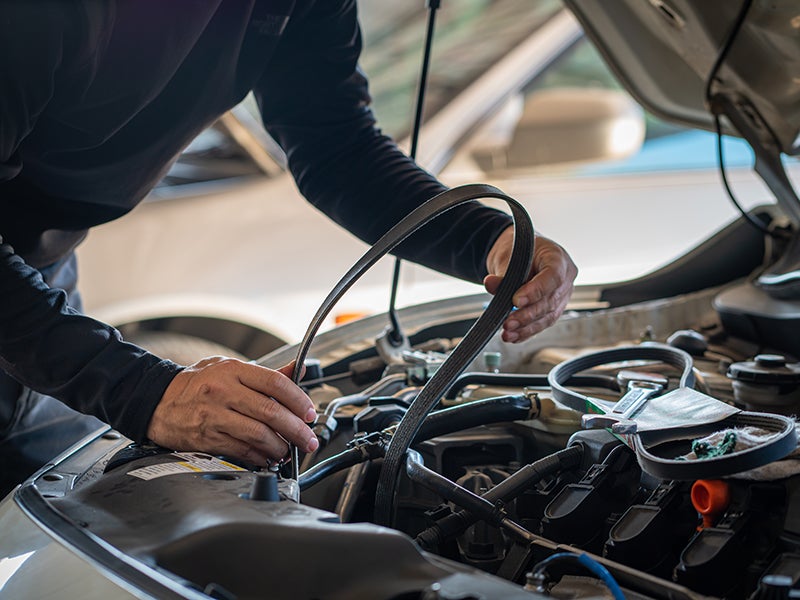
Not everyone just knows what's happening under the hood of their car. Learning about engine belts is one of the most important places to start. These components keep your vehicle running smoothly by connecting and powering key systems. Understanding what each belt does—and what happens when something goes wrong—can save you from unexpected breakdowns and costly repairs. What Are the Main Types of Engine Belts? Most modern vehicles have 2 primary engine belts you should know about: the serpentine belt and the timing belt. Each one plays a distinct role, and both are critical to your car's operation. The serpentine belt is a long, winding belt that wraps around multiple pulleys in the engine bay. It drives important accessories like the alternator, power steering pump, air conditioning compressor, and water pump. Without it, several systems in your vehicle would stop functioning almost immediately. The timing belt, on the other hand, is responsible for synchronizing the rotation of the crankshaft and camshaft. This ensures that the engine's valves open and close at the right time during each cylinder's firing cycle. Some vehicles use a timing chain instead of a belt, which is made of metal and generally lasts longer. What Do Engine Belts Actually Do? Think of engine belts as the connective tissue of your vehicle's mechanical systems. The serpentine belt keeps your battery charged, your steering responsive, your engine cool, and your cabin comfortable. If this belt slips or breaks, you'll notice the effects quickly. The timing belt controls the precise coordination of internal engine components. When it's functioning correctly, you may never think about it. But if it fails, the results can be severe—including engine damage that requires extensive repairs. That's why timing belt replacement is one of the most important scheduled maintenance services for many vehicles. How to Tell If Something Is Wrong with Your Engine Belts There are several warning signs that your engine belts may need attention. A high-pitched squealing noise from the engine bay is one of the most common indicators of a worn or slipping serpentine belt. If that dreaded Battery Warning Light appears on your dashboard, your power steering feeling stiff, or your engine is running hotter than usual, it’s time to head to the shop. For the timing belt, warning signs can be harder to detect before failure occurs. Some drivers notice a ticking noise from the engine or experience rough idling. Because timing belt failure can cause significant engine damage, it's important not to wait until symptoms appear. What Maintenance Do Engine Belts Need? Routine inspection is the most important thing you can do to keep your engine belts in good shape. Most manufacturers recommend replacing the serpentine belt every 60,000 to 100,000 miles, though this can vary depending on your vehicle. The timing belt typically needs replacement every 60,000 to 90,000 miles, but always consult your owner's manual for the specific interval recommended for your model. During routine service visits, a technician can visually inspect your belts for cracking, fraying, glazing, or signs of wear. Catching these issues early is far less expensive than dealing with a belt that snaps while you're driving. Keep Your Engine Belts in Check at Honda Auto Center of Bellevue Staying on top of engine belt maintenance is one of the smartest things you can do as a car owner. Whether it's your serpentine belt showing signs of wear or a timing belt that's due for replacement, regular service keeps your vehicle reliable and helps you avoid larger problems down the road. Drivers in Bellevue, WA can count on Honda Auto Center of Bellevue for thorough, honest service. We’re happy to explain anything you like and our trained technicians will check your belts along with anything else your vehicle may need at your request.
Why Is My Car Shaking While Idling? A Complete FAQ

Why Is My Car Shaking While Idling? A Complete FAQ

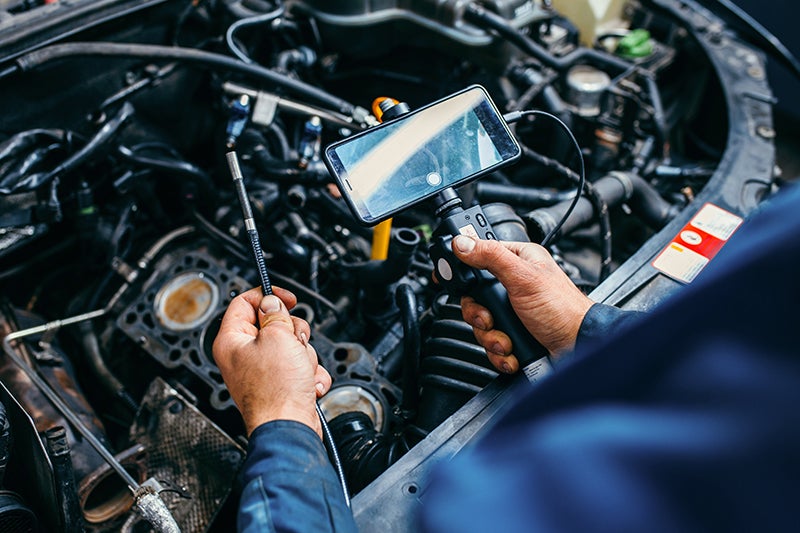
Have you ever noticed your car shaking while idling at a stop sign, red light, or even in your driveway? This is a common reason that drivers in Bellvue, WA bring their vehicles in for service. While getting a professional opinion on what is going on with your vehicle is always a good idea, it's worth understanding what might be causing it. The shaking can range from a subtle vibration to a noticeable rumble, and the cause varies depending on how severe it is and when it happens. In most cases, shaking while idling points to something mechanical that needs attention - but it doesn't always mean an emergency. Knowing the difference can save you time and stress. Why Is My Car Shaking at Red Lights or Stop Signs? Having a car shake at red lights is often tied to issues with the engine's ability to maintain a smooth, consistent idle. A few common culprits include worn spark plugs, a dirty fuel injector, a vacuum leak, or a failing idle air control valve. When any of these components isn't doing its job, the engine struggles to run evenly at low speeds. Spark plugs are frequently the problem. When they're worn or fouled, they can cause the engine to misfire, which creates that familiar shudder you feel while sitting at a light. Why Does My Car Shake When It's in Park? Shaking while the vehicle is in park typically comes from the same engine-related causes. However, if the vibration feels more pronounced in park or neutral than in drive, it may also be related to motor mounts. Motor mounts are designed to cushion the engine and reduce vibration. When they wear out, the engine movement transfers more directly into the cabin. A rough idle in park can also be a sign of a clogged air filter or a dirty mass airflow sensor, both of which affect how the engine manages fuel and air intake. Is a Car Shaking While Idling an Emergency? Not always, but it's also not something to ignore. If the shaking is mild and only happens occasionally, it's likely a maintenance issue that can be scheduled at your convenience. However, there are warning signs that suggest you should act sooner rather than later. You should treat it as more urgent if the check engine light is on, the shaking has gotten noticeably worse over a short period of time, the car is also stalling or hesitating, or you smell something unusual like burning or fuel. These signs together can indicate a more serious mechanical issue. Car shaking at red lights paired with a rough start or unusual exhaust smell should be brought in for professional service right away. What Maintenance Can Fix a Car That Shakes While Idling? Several routine maintenance services can resolve or prevent shaking while idling. A trained technician will typically start by checking the spark plugs and ignition system, inspecting the fuel injectors and throttle body, evaluating the motor and transmission mounts, testing the air filter and airflow sensors, and checking for any vacuum leaks in the intake system. In many cases, a tune-up that includes fresh spark plugs, a clean air filter, and a fuel system service is enough to smooth out the idle. Regular maintenance intervals help prevent these issues from developing in the first place. How Often Should I Have These Systems Inspected? Following your vehicle's recommended maintenance schedule is the best way to stay ahead of idle-related issues. Most manufacturers recommend inspecting the spark plugs, air filter, and fuel system at regular mileage intervals - typically every 30,000 miles or as outlined in your owner's manual. If you've been noticing some vibration at low speeds, it's a good idea to have a technician take a look before a minor issue becomes a larger repair. Visit Us for a Shaking While Idling Diagnosis If your vehicle is shaking while idling and you're not sure what's causing it, the service team at Honda Auto Center of Bellevue is ready to help. You can schedule a diagnostic appointment online and get answers quickly from a team that knows Honda vehicles inside and out. Don't wait for a small vibration to turn into a bigger problem - let us help you get back to a smooth, confident ride.

Contact Us

Fill out this form below and we'll contact you shortly
*Required Fields