
Honda Auto Center
of Bellevue

Blog / Bellevue Honda Service

Blog

All Bellevue Honda Service Bellevue Honda Dealer Honda Auto Center of Bellevue Honda Cars 2026 Honda Auto Center of Bellevue Service FAQs 2025 2026 CR-V 2026 Accord Hybrid 2026 Hybrids 2025 Civic 2026 CR-V Hybrid 2026 Honda Ridgeline 2026 Odyssey 2026 Passport 2026 Pilot Honda Service Honda Warranties Tires 2025 Civic Hybrid 2025 CR-V 2025 HR-V 2025 Pilot 2026 Civic Hybrid 2026 Civic Sedan 2026 EV 2026 Prologue Air Conditioning Bellevue Used Cars Brakes Catalytic Converter CPO Engine Belts Engines Ignition Coil Oil
Keep Your Honda Running Smooth: How to Tell It Needs Maintenance

Keep Your Honda Running Smooth: How to Tell It Needs Maintenance

Scheduling regular Honda maintenance can keep your car running smoothly and extend its lifespan. Recognizing early warning signs allows you to address any problems before they develop into expensive repairs. Your local Honda dealership can help with all routine services, as well as offering expert advice. Honda Maintenance: How to Tell When It's Needed Listen for Unusual Noises Any new or unfamiliar sounds could be an indication that your Honda needs professional attention. This could include knocking, squealing, whistling, grinding, or humming. These types of noises could suggest one of many things, such as worn components, low oil or fluids, or faults within the engine. Honda technicians at your local dealership can run diagnostics to pinpoint the cause. more Monitor Fluid Levels There are multiple fluids that keep your Honda running smoothly, such as coolant, brake fluid, transmission fluid, and oil. If the levels of these fluids drop too low, it can cause damage to components. Regular checks will identify when fluids need to be topped off. It can also help to identify when fluids are dropping quickly, indicating there may be a leak. Visit Your Honda Dealership for Maintenance Ensuring your Honda is serviced at the recommended intervals is one of the easiest ways to keep your car in prime condition. Your owner's manual will confirm the suggested maintenance schedule for your model. You can also get personalized advice from the dealership. Check Tires and Alignment Regularly Keeping your tires properly inflated can optimize fuel efficiency and keep you safe on the road. You should also regularly monitor the tread levels on your tires and be alert for any signs of misalignment, such as pulling to one side or vibration. Be Vigilant for Changes in Performance If you notice a difference in how your Honda is driving, it could indicate that it's time for a service. This could include spongy brake pedals, difficulty starting, or sluggish acceleration. An increase in fuel consumption can also be a sign that things aren't operating efficiently. Scheduling maintenance at the local dealership allows your car to be checked, any worn components replaced, and a general tune-up carried out. Be Mindful of Battery Health Your battery is responsible for running the electrical systems in your Honda, as well as helping the engine to start. Over time, the efficiency of your battery will start to dwindle, and it will eventually need to be replaced. If you notice your car is taking longer to start, the lights are flickering, or the electrics are temperamental, it might be time to get your battery checked. Schedule Honda Maintenance Today If your Honda is due for maintenance or you'd just like some advice about when to schedule it, we can help. Contact our friendly team at Honda Auto Center of Bellevue in Bellevue, WA to speak to professionals you can trust.

Preventative Care: How to Know When Your Honda Needs a Check-Up

Preventative Maintenance: How to Know When Your Honda Needs a Check-Up

An ounce of prevention is better than a pound of cure describes preventative maintenance perfectly. Your Honda maintenance schedule ensures parts that will reach the end of their working life are inexpensively replaced before they fail and cause costly problems. As your Honda dealership, we want to give you some examples of the types of maintenance we provide. Examples of Preventative Maintenance Available at Your Honda Dealership Oil Replacement Oil is essential for your engine as it allows it to work effectively. The oil lubricates and cools countless components, reducing wear and tear so they don't require early replacement. Oil also contains specialized additives that keep the engine clean, break down harmful engine blockages, and prevent rust. On average, oil needs replacement every 7,500 to 10,000 miles. Older oil thickens, becoming slower and less effective due to accumulating dirt and debris from the engine. It can block the oil filter, preventing oil circulation and causing engine damage. Our technicians prevent these issues by draining and replacing the old oil and installing a new oil filter to allow the oil to flow smoothly and freely. more Tire Rotations Regular tire rotations are one of the most effective ways to reduce tire wear and tear. Each tire gradually loses tread thickness due to surface friction, but it also suffers avoidable wear due to its position on your Honda. Each tire position generates a specific wear pattern caused by vehicle weight distribution and the drivetrain. A tire rotation involves shifting each tire to a new position on your vehicle. The positions your tires move to depend on your drivetrain. If you have FWD, your front tires carry most of the weight, so they wear faster. In this situation, your front tires move to the rear positions on their original side, while the rear tires move to the front and switch to opposite sides. This allows all four tires to wear down at a relatively equal rate, allowing them to last longer. Spark Plug Replacement The spark plug's job is to ignite the compressed fuel-air mixture in the engine cylinders. Once fuel and air mix in the intake manifold, the mixture is drawn into the engine cylinders. The intake valves close, and the pistons rise at speed to compress the mixture. When the mixture is sufficiently compressed, the spark plugs spark, igniting the mixture to produce combustion. As time passes, plugs wear out or become damaged. Worn plugs don't ignite the mixture correctly, wasting fuel and causing misfiring or stalling. Continued misfiring will damage the cylinders and pistons. We stop this from happening by replacing the plugs so your engine can continue to run smoothly. Book your preventative maintenance today by contacting us at Honda Auto Center of Bellevue in Bellevue, WA.

Keeping Your Honda's Air Conditioning Optimal

Keeping Your Honda's Air Conditioning Optimal

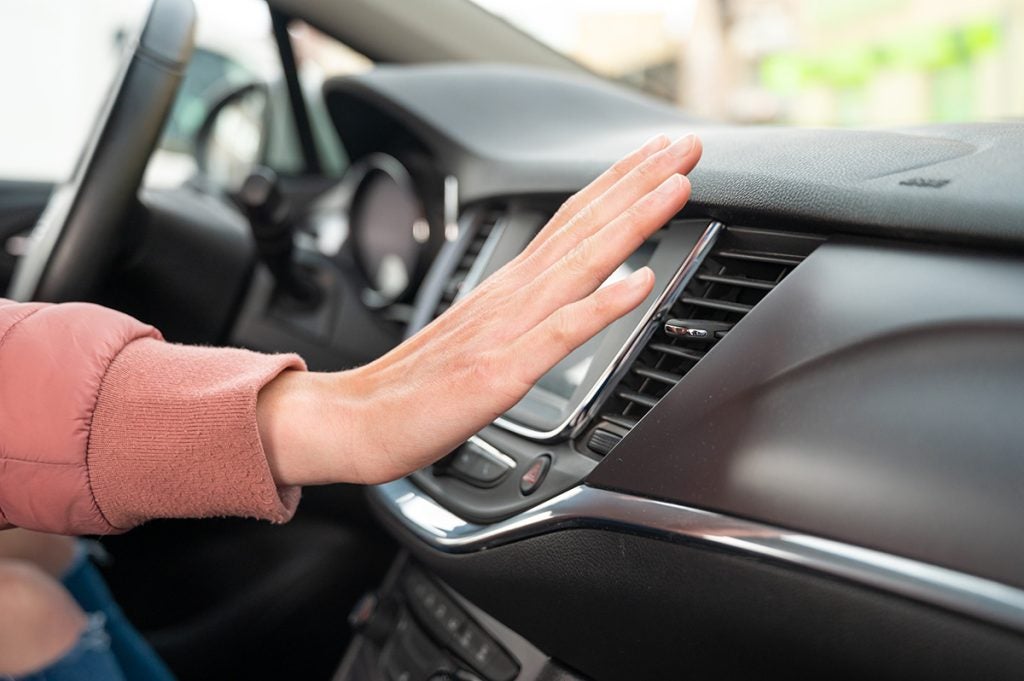
Our Washington summers aren't as hot as many other states, but there are days when you need your Air conditioning. If your AC isn't regularly serviced, problems can develop, ranging from unwanted guests in the air ducts to leaking refrigerant. As your Honda dealer, we want to tell you a few signs you'll need to visit us for AC maintenance. Signs You Need Air Conditioning Maintenance Refrigerant Leak This is one of the most common AC problems. Refrigerant is essential for your AC as it removes water from the air and cools it before it's blown into your cabin. This gas is highly pressurized, and a small leak anywhere in the AC system can cause a rapid loss of refrigerant. If this happens, your AC will steadily become warmer, regardless of its setting. You can't find a leak just by looking for it, as the gas vaporizes almost instantly in contact with the outside air. We add a UV dye to your AC and then monitor the dye's progress through the system using a UV light. This allows our technicians to easily find the leak and repair it. Then, we'll refill your refrigerant, and your AC will become cold again. more Blocked Vents Your air conditioning has an external vent that draws air into the system for cooling and cabin vents that bring the cold air to you. The external vent is positioned below your windshield and can easily become blocked by leaves and other debris, limiting air available for cooling. We can quickly fix this problem by clearing the vents, and airflow will increase. Dirt, dust, leaves, and other debris drawn in with the air can block the internal vents. This detritus accumulates, restricting airflow into the cabin and producing strange rusting or rattling noises as it moves around. This issue is also quick to fix, as we'll clear any duct blockages. Musty Air Conditioning Smell If you get a musty, earthy smell from the air conditioning, the system is infected with bacteria or mold. These organisms travel with the air and settle in the ducts. When your AC is off for several months over fall and winter, the dark ducts, lack of air movement, and traces of water provide the perfect breeding ground for these organisms. We fix this problem by adding a powerful cleaning solution to your AC, then switching it on and letting the solution blow through the system and remove these organisms. We'll also replace the cabin air filter, which removes any remaining dirt and pollen from the air before it enters your cabin. Our experts can rapidly fix any AC issue, and you'll have cold air again in no time. Contact us today at Honda Auto Center of Bellevue in Bellevue, WA.

Honda Tire Maintenance: Ensuring Your Safety

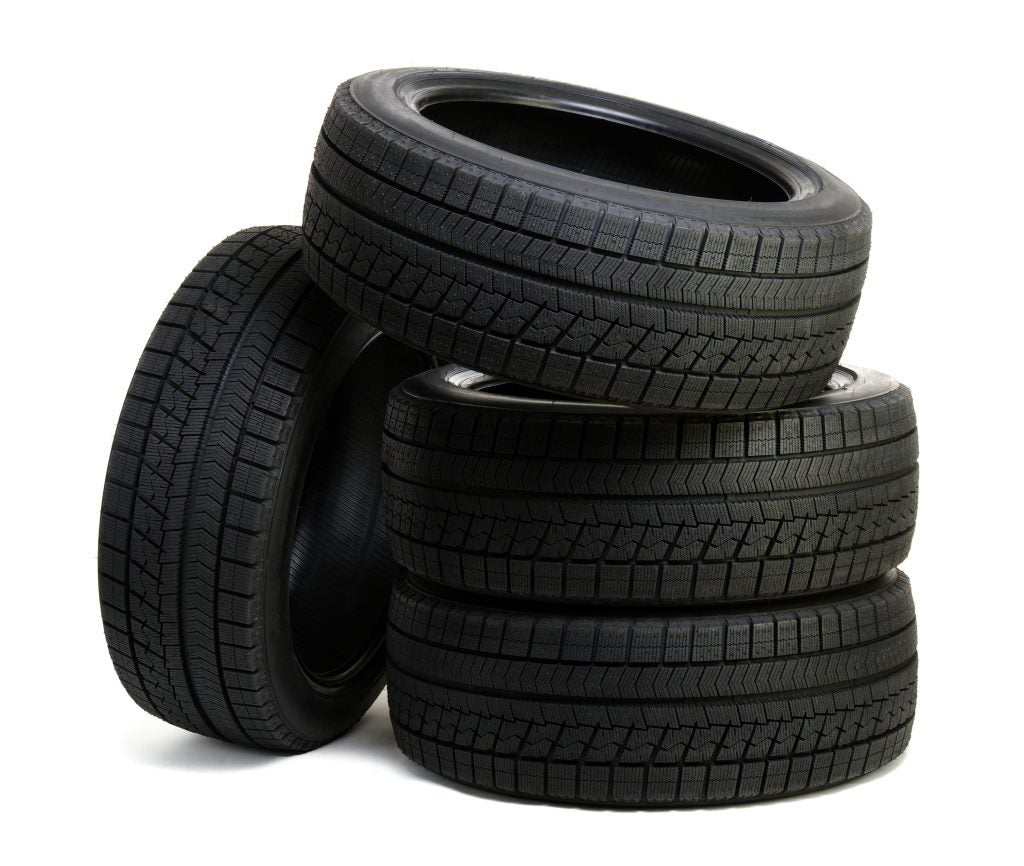
When you think about safety in a vehicle, you most likely think about the brakes and maybe Honda's Sensing suite of safety features. And while those are important, your tires are just as important. Regular tire service from your Honda dealership will go a long way towards protecting you and your family. Honda Tire Service: Ensuring Your Safety What You Can Do There are two things you should be doing regularly to ensure your own tire safety. The first is checking your tire pressure. When a tire is underinflated, not only does the quality of the handling suffer, but you also have a greater threat of blowouts. Overinflated tires can get damaged more quickly and also compromise your safety. Check the pressure once a month to make sure it's within the ideal range. The other thing to do is to keep an eye on your tires themselves. Modern tires have tread wear bars that will start to show as the tires get old. You should also come talk to us if you see any bulges in your tire. What Your Honda Dealership Will Do Rotate Twice a Year Because we tend to drive over the same roads in the same ways throughout the month, our tires tend to wear out unevenly. The tire on one side, for example, is constantly hitting that same pothole or taking that same curve. Meanwhile, the tires in the front are usually experiencing more wear because they're holding up the engine, which makes the front of the vehicle heavier than the back. We rotate your tires twice a year so that they wear out evenly and there's less risk that one of them will suddenly blow out. Realign Yearly Every time you go over a pothole or take a speed bump only on one side of the vehicle, it starts to misalign your tires. This can also happen because of uneven weight distribution within the vehicle; and it just happens naturally over the course of driving. About once a year, you should bring your vehicle in so we can make sure the alignment is true, and this means you'll always enjoy the secure handling you expect. Trip Inspection Even if you have just recently had the tires replaced, it's always a good idea to get an inspection before you take the vehicle on a big road trip. If you are planning a trip, come and talk to us, and we'll do a tire inspection. We'll make sure there are no weak points, bulges, or holes that you might've missed so that you can be confident of your safety. ​For tire safety you can count on, come to Honda Auto Center of Bellevue, WA.

Honda ADAS Features: Utilizing Advanced Driving Assistance

Your safety is very important to Honda, which is why you have an Advanced Driver-Assistance System (ADAS) installed in your vehicle. Your Honda ADAS, known as Honda Sensing, uses radar, cameras, and sensors to act as additional eyes and ears to protect you from danger. We're going to give you a closer glimpse into some of these features. Collision Mitigation Braking System (CMBS) Radar and a forward-looking camera scan the road ahead for any objects. If something is detected, CMBS will calculate the distance between your vehicle and the object and decide if a collision is likely. If a collision risk exists, the system provides audio and visual warnings to advise you so you can take corrective action. more This system will also apply automatic braking if necessary to prevent or reduce damage from an accident. Road Departure Mitigation System (RDM) This system also uses a camera, but it scans for lane lines and road edge lines. If your vehicle crosses a road edge line and your turning indicator isn't active, RDM provides visual and audio warnings. It increases steering wheel torque to assist you in moving back into your original lane. It can also provide braking support, enabling your brakes to engage faster and prevent you from leaving the road. Lane Keeping Assist System (LKAS) LKAS scans for lane lines like RDM above, but its purpose is to keep your Honda centered in its lane. If your wheels enter another lane without you actively steering in that direction, the system will alert you. It then supplies mild torque to the steering wheel to direct you to move into the center of your original lane. Traffic Sign Recognition (TSR) It's easy to miss a traffic sign, but that won't happen again when TSR is active. This system uses a small camera to identify traffic signs, like speed limitations and other warnings. It displays an icon on your screen so you can decide if you need to make any adjustments to your driving. Adaptive Cruise Control (ACC) This feature can be programmed to maintain a set speed and also keep a specific following distance from any vehicle ahead of you. If ACC determines the distance between you and another vehicle is closing, it applies limited braking to keep the following distance. Additional Systems There are many other safety systems, including Cross Traffic Monitor, Blind Spot Information System, and Auto High Beam Headlights. Some of these may already be installed on your Honda or are available to add even more peace of mind. If you'd like to know more about your Safety systems, contact us today at Honda Auto Center of Bellevue in Bellevue, WA.

Honda Oil Change Essentials: Protecting Your Engine

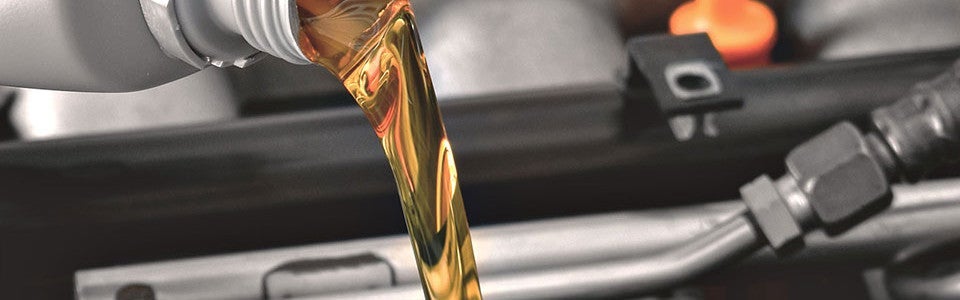
One of the most critical aspects of routine Honda maintenance is having your dirty engine oil replaced with clean engine oil. While many people put off this crucial item, neglecting to get an oil change on time can seriously damage your engine. Today, our car experts dive into how clean engine oil is crucial for your motor and how often you should visit your local Honda dealer to have your dirty oil replaced. The Importance of Clean Engine Oil Clean engine oil is essential for maintaining the health and performance of your Honda's engine. Clean oil carries away dirt and other debris and helps prevent sludge formation. This is great for engine performance. Clean oil is also beneficial in that it improves fuel economy. The cleaner your engine oil is, the more efficiently your motor runs. This results in more miles per gallon. more Clean engine oil is also vital because it extends the longevity of your engine by reducing wear and tear and friction. Having your dirty oil replaced is even good for the environment. Engine oil is broken down over time by the heat of your engine, and that releases gases into the air. Another way clean oil protects your engine is that it lubricates your motor's moving components, mitigating the risk of your engine overheating. How Often You Should Visit Your Local Honda Dealer to Change Your Engine Oil How often you should have your engine oil swapped depends on a variety of factors, including the type of motor oil used, your normal driving conditions, and the age of your vehicle. Generally, you should bring your Honda in every 5,000 to 7,500 miles if conventional motor oil is used. If you have full-synthetic engine oil used, you can drive 15,000 miles before your oil becomes too dirty. ​Come in for a change annually if you rarely drive. If you want to keep your oil clean as long as possible, keep in mind that the way you drive affects the oil's longevity. More frequent oil replacements are required when you drive in "severe" conditions. Examples of severe conditions include: Driving a lot in stop-and-go-traffic Driving in very cold weather Usually driving fewer than five miles at a time Hauling or towing heavy loads Having your engine oil swapped regularly is one of the best things you can do to maintain the health of your engine. Depending on the motor oil used, how you drive, and other factors, you may need to get clean oil every 5,000 to 15,000 miles. If it's time for a change, contact us today at Honda Auto Center of Bellevue in Bellevue, WA to schedule an appointment.

Contact Us

Fill out this form below and we'll contact you shortly
*Required Fields