

Maintaining your tires is a critical part of vehicle safety, performance, and efficiency. At Honda Auto Center of Bellevue in Bellevue, WA, we understand that many drivers have questions about tires, from reading sidewall codes to recognizing wear patterns and understanding maintenance schedules. This guide addresses the most common inquiries and provides detailed insights to help you make informed decisions about tire care.
What Do the Numbers and Codes on My Tire Mean?
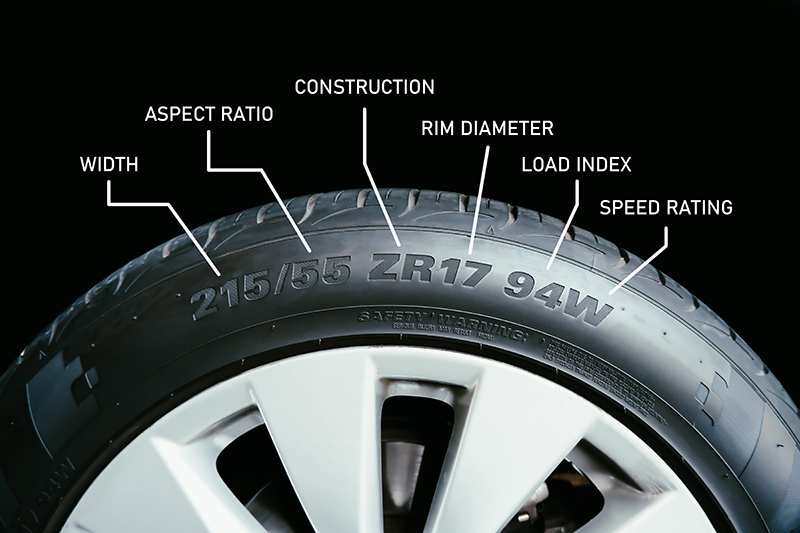
Every tire carries a series of numbers and letters on its sidewall that convey important specifications. Interpreting these correctly ensures proper tire replacement and vehicle performance.
- Passenger vs. Light Truck Tires: The initial letter, such as “P” for passenger vehicles or “LT” for light trucks, indicates the type of vehicle for which the tire is designed.
- Width and Aspect Ratio: The three-digit number following the letter represents the tire’s width in millimeters, while the number after the slash shows the aspect ratio, comparing sidewall height to width.
- Construction and Diameter: The “R” indicates radial construction, and the final number denotes wheel diameter in inches.
- Load Index and Speed Rating: A combination of numbers and letters near the end specifies maximum load capacity and speed capability.
Proper understanding of these codes ensures that replacements match your vehicle’s original specifications, maintaining safety, handling, and fuel efficiency.
How Often Should You Rotate Tires?
Tire rotation is a preventive maintenance step that extends the life of your tires and ensures even wear. Uneven wear can affect braking, handling, and fuel economy.
- Recommended Intervals: Most manufacturers suggest rotating tires every 5,000 to 7,500 miles. Integrating rotations with routine oil changes makes scheduling convenient.
- Wear Patterns: Front-wheel-drive vehicles often experience faster wear on front tires due to steering and power delivery. Rear tires typically wear more slowly.
- Rotation Methods: Patterns include forward cross, rearward cross, and X-pattern rotations depending on drivetrain type. Proper rotation keeps all tires performing optimally.
Regular tire rotation prevents early replacement and maintains consistent traction across all four tires.
How Can I Tell When My Tires Need Replacement?
Identifying when tires require replacement is crucial for safety and performance. Several indicators help determine tire condition:
- Tread Depth: The penny test remains a simple method—if Lincoln’s head is fully visible when inserted into the tread, replacement is necessary.
- Age: Rubber degrades over time regardless of mileage. Most manufacturers recommend replacement after six years.
- Uneven Wear: Unequal tread patterns can indicate alignment or suspension issues that need professional attention.
- Visible Damage: Bulges, cracks, or sidewall damage are warning signs of internal deterioration.
Recognizing these signs early allows for timely intervention, reducing the risk of blowouts and improving vehicle handling.
What Are the Most Common Tire Problems and How Can I Address Them?
Tires are subject to multiple stressors from the road and driving conditions. Understanding common problems helps prevent accidents and costly repairs:
- Flat Tires: If a tire fails while driving, maintain control, slow gradually, and move to a safe location. Use a spare if equipped, or contact roadside assistance.
- Vibration or Shaking: This may indicate unbalanced tires, misalignment, or suspension issues. Immediate inspection prevents additional wear.
- Slow Leaks: Regularly check tire pressure and look for punctures. Low pressure affects handling, fuel economy, and tire longevity.
- Overheating and Wear: Excessive heat from underinflation or towing can accelerate wear. Proper maintenance and tire pressure monitoring are essential.
Professional inspections help address issues before they become hazardous or lead to uneven wear patterns.
How Does Home Maintenance Support Tire Longevity?
Routine care at home enhances tire life and performance:
- Monitor Tire Pressure: Maintain recommended PSI for consistent handling and fuel efficiency.
- Check Alignment: Misaligned wheels can cause rapid, uneven wear.
- Inspect for Damage: Look for cuts, punctures, and sidewall cracks.
- Clean and Rotate: Removing debris and rotating tires regularly maintains optimal performance.
Combining these practices with professional checks ensures your tires remain safe and reliable throughout their lifecycle.
How Do I Select the Right Tires for My Vehicle?
Choosing the proper tires depends on your vehicle type, driving habits, and local climate conditions:
- All-Season vs. Seasonal Tires: All-season tires offer year-round performance, while winter tires improve traction in snow and ice.
- Load and Speed Ratings: Match ratings to your vehicle specifications to maintain safety and performance.
- Tread Patterns: Directional, asymmetric, and symmetric treads offer distinct benefits in traction, handling, and noise reduction.
Consulting our technicians ensures the selection aligns with your driving needs and the specifications recommended by the manufacturer.
When Should I Schedule Tire Inspection and Maintenance?
Maintaining tires is a key factor in overall vehicle safety and performance. At Honda Auto Center of Bellevue, our certified technicians provide detailed tire inspections, rotations, balancing, and alignment services to ensure your vehicle is safe and road-ready. Drivers throughout Bellevue, WA, can rely on our team to extend tire life, optimize performance, and prevent avoidable issues.
Regular maintenance not only enhances safety but also helps you maximize your investment in your tires and vehicle.
Connect with us


- July 2026
- June 2026
- May 2026
- April 2026
- March 2026
- February 2026
- January 2026
- December 2025
- November 2025
- October 2025
- August 2025
- July 2025
- June 2025
- May 2025
- April 2025
- March 2025
- February 2025
- January 2025
- December 2024
- November 2024
- October 2024
- September 2024
- August 2024
- July 2024
- June 2024
- May 2024
Archives
- 2025
- 2025 Civic
- 2025 Civic Hybrid
- 2025 CR-V
- 2025 HR-V
- 2025 Pilot
- 2026
- 2026 Accord Hybrid
- 2026 Accord Hybrid
- 2026 Civic Hybrid
- 2026 Civic Sedan
- 2026 CR-V
- 2026 CR-V Hybrid
- 2026 EV
- 2026 Honda Ridgeline
- 2026 Hybrids
- 2026 Odyssey
- 2026 Passport
- 2026 Pilot
- 2026 Prologue
- Air Conditioning
- Bellevue Honda Dealer
- Bellevue Honda Service
- Bellevue Used Cars
- Brakes
- CPO
- FAQs
- Honda Auto Center of Bellevue
- Honda Auto Center of Bellevue Service
- Honda Cars
- Honda Warranties
- Oil
- Tires
- Uncategorized