
Your brakes are one of the most important safety systems in your vehicle, especially when driving through Bellevue traffic, wet roads, or changing highway conditions. Honda Auto Center of Bellevue created this guide to help drivers understand the main parts of the brake system, how they work together, and which warning signs may indicate a need for service.
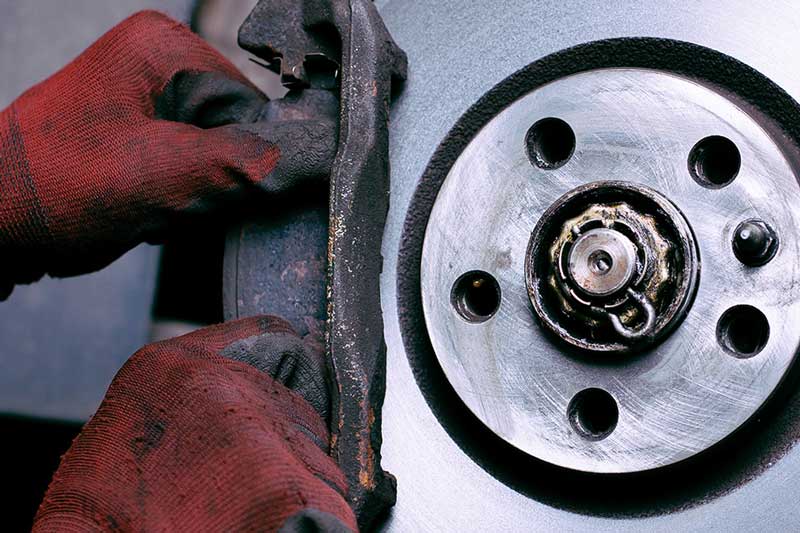
The brake system has many connected parts, and each part has a specific job to stop the vehicle. Understanding these parts helps drivers find problems early. People who drive in Bellevue, WA, need working brakes for wet roads.
What Are the Main Components of a Brake System?
Brake Pads: These are parts that people replace often. They press against the rotor to create friction, and this slows the car. The material on the pads wears down over time. Most pads have a 1 metal wear indicator that makes a noise when the pads are thin.
Brake Rotors: This is a flat metal disc that spins with the wheel. When a driver presses the pedal, the pads clamp the rotor to stop the car. Rotors can warp if a driver brakes too hard or too often.
Brake Calipers: This part holds the brake pads. It has a piston that pushes the pads against the rotor using fluid pressure. If a caliper sticks, it can cause uneven braking or fast wear on 1 side.
Brake Lines and Hoses: Fluid moves from the master cylinder to the calipers through metal lines and rubber hoses. These carry the pressure that makes the brakes work. Cracks or leaks in these lines can stop the brakes from working.
Master Cylinder: This is the main part of the fluid system. When a person presses the pedal, it pushes fluid through the lines to each wheel. A bad master cylinder can make the pedal feel soft.
Brake Fluid: This fluid moves force from the pedal to the calipers. It absorbs water over time, and this can lower the boiling point. This change reduces how well the brakes work.
ABS Module: This part monitors how fast the wheels spin. It stops the wheels from locking during hard braking. This helps the driver keep control of the steering. A light on the dash shows if there is a problem.
What Controls the Brake System?
The systems that manage braking force are as important as the physical parts.
The Brake Pedal: This is the main input for the driver. When it is pressed, it starts the pressure in the brake lines.
Brake Booster: Most cars use a booster to increase the force from the driver’s foot. Without it, stopping the car would be very hard. If the booster fails, the pedal will feel very stiff.
ABS and Electronic Stability Control: These electronic systems adjust braking force at each wheel. ABS stops wheels from locking, and ESC applies brakes to keep the car stable on slippery roads.
Parking Brake: This is a separate system that holds the car in place when it is parked. It usually works on the back wheels. Drivers should test it often to make sure it holds.
What Are the Signs of Failing Brakes?
Finding signs of wear early is an important part of car care.
Squealing Sounds: A high noise when braking is often the 1st sign of thin pads. A small metal part makes this noise when the pads are low.
Grinding Noise: A loud metal noise usually means the pads are gone. This can damage the rotors and must be fixed fast.
Soft Brake Pedal: If the pedal feels soft or sinks to the floor, there might be air in the lines. This can also mean the fluid is low.
Vibration: A shaking feeling in the pedal or steering wheel can mean the rotors are warped. This happens after the brakes get too hot.
Pulling to the Side: If the car moves left or right when braking, a caliper might be stuck. It could also mean the pads are wearing unevenly.
Warning Lights: A brake light on the dash should not be ignored. This light can mean the fluid is low or a sensor is broken.
Burning Smell: A bad smell after driving can mean the brakes are too hot. This can happen if a caliper is stuck and stays closed.
If your brakes squeal, grind, vibrate, feel soft, or trigger a warning light, schedule service with Honda Auto Center of Bellevue. Our technicians can inspect the pads, rotors, calipers, fluid, brake lines, ABS components, and related parts to help keep your vehicle stopping safely on Bellevue, WA roads.
Connect with us


Archives
- 2025
- 2025 Civic
- 2025 Civic Hybrid
- 2025 CR-V
- 2025 HR-V
- 2025 Pilot
- 2026
- 2026 Accord Hybrid
- 2026 Accord Hybrid
- 2026 Civic Hybrid
- 2026 Civic Sedan
- 2026 CR-V
- 2026 CR-V Hybrid
- 2026 EV
- 2026 Honda Ridgeline
- 2026 Hybrids
- 2026 Odyssey
- 2026 Passport
- 2026 Pilot
- 2026 Prologue
- Air Conditioning
- Bellevue Honda Dealer
- Bellevue Honda Service
- Bellevue Used Cars
- Brakes
- CPO
- FAQs
- Honda Auto Center of Bellevue
- Honda Auto Center of Bellevue Service
- Honda Cars
- Honda Warranties
- Oil
- Tires
- Uncategorized