

Oil pressure is one of the most vital components of your vehicle’s engine, ensuring its longevity and performance. While it may seem like a small detail, maintaining proper pressure is essential to keep your engine running smoothly. If the pressure system fails or drops below its optimal level, you risk causing damage to the engine components, resulting in costly repairs and significant downtime. Let’s explore what oil pressure does, how to identify potential issues, and the best practices for maintenance.
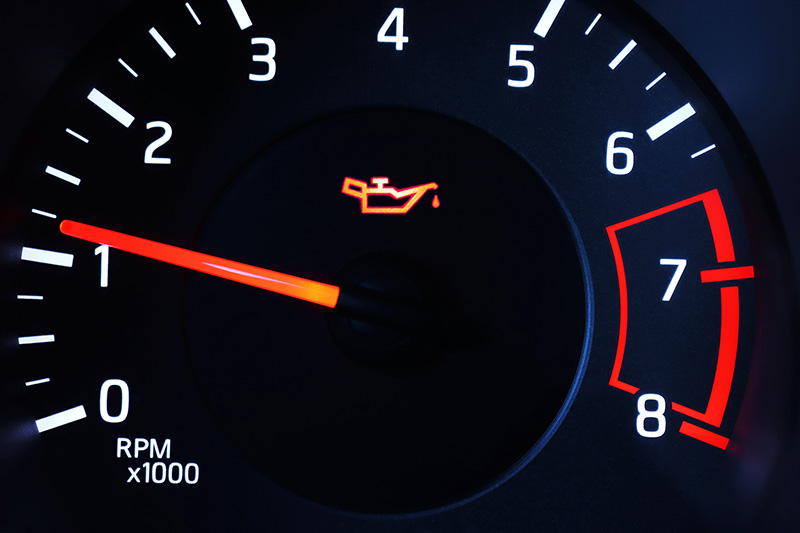
What Does Oil Pressure Do in Your Vehicle?
Oil pressure plays a crucial role in the operation of your engine. It’s responsible for circulating oil throughout the engine to lubricate moving parts, prevent friction, and ensure smooth performance. Without sufficient oil, parts like pistons, valves, and the crankshaft can suffer from excessive wear, leading to mechanical failure.
- Lubrication: Oil ensures the engine parts are properly lubricated, reducing metal-on-metal contact, which can lead to overheating and wear.
- Cooling: Oil also helps cool the engine by carrying heat away from the components and dissipating it through the oil cooler.
- Cleaning: Oil helps circulate oil through the engine’s filtration system, trapping debris and contaminants to prevent them from causing damage.
- Sealing: Oil pressure keeps the seals and gaskets in place, preventing leaks and maintaining engine integrity.
Without proper oil pressure, all these essential functions are compromised, leading to a significant decrease in engine efficiency and longevity.
Signs You Need to Check Your Oil Pressure
The oil pressure warning light on your dashboard is the first indicator that something might be wrong with your oil. This warning light can either be steady or flashing, and the nature of the light provides valuable information about the severity of the problem.
Steady Oil Dash Light
A steady oil light typically means that the system is not reaching the required pressure, but the engine might still be running normally. However, driving for an extended period with low oil pressure can cause serious damage, so it’s important to get the issue checked immediately. Low oil levels, a clogged oil filter, or a faulty oil pump are common causes.
Flashing Oil Dash Light
A flashing oil light is a more immediate concern and often indicates a more severe issue. If this light flashes while you’re driving, stop the vehicle as soon as it’s safe to do so and turn off the engine. A flashing light generally means that pressure has dropped dangerously low and could be causing harm to the engine. This could be due to severe oil leakage, a faulty pump, or extreme internal engine wear.
If you notice any unusual noises coming from the engine, such as knocking or grinding, it could be an indication of insufficient pressure causing excessive friction.
Regular Oil Maintenance
Maintaining proper oil pressure requires proactive care and regular maintenance. Here are some key practices to keep your vehicle’s oil at optimal levels:
Check Oil Levels Regularly
One of the simplest yet most effective ways to maintain oil pressure is by checking your oil levels regularly. Low oil levels can lead to a drop in pressure, which is why it’s important to top up your oil whenever necessary. Always refer to your vehicle’s manual to use the correct type of oil, as the wrong type can also affect oil pressure.
Change the Oil and Oil Filter
Routine oil and filter changes are essential for maintaining healthy pressure. Over time, oil degrades and becomes less effective at lubricating the engine. Old oil can also become contaminated with debris, which can clog the oil filter and restrict oil flow. Replacing the oil and filter at the manufacturer-recommended intervals will help maintain the necessary pressure levels.
Inspect the Oil Pump
The oil pump is responsible for circulating oil throughout the engine, and if it malfunctions, oil pressure will drop. If you experience any irregularities in oil pressure, it’s worth having the oil pump inspected. A failing oil pump may require replacement to restore proper oil pressure and prevent further engine damage.
Monitor for Oil Leaks
Oil leaks are another common cause of low oil pressure. Even a small leak can significantly reduce oil levels and pressure. If you notice oil spots under your vehicle or a burning oil smell, it’s important to inspect the engine for leaks and address them immediately. Seals and gaskets are often the source of oil leaks and may need to be replaced.
Why Oil Pressure Maintenance Is Crucial for Engine Health
Proper oil maintenance is critical for preserving engine performance and preventing expensive repairs. Neglecting oil issues can lead to:
- Engine Overheating: Without sufficient oil to lubricate and cool the engine, temperatures can rise quickly, causing internal damage.
- Component Wear: Low oil pressure increases friction between engine parts, leading to accelerated wear and potentially catastrophic failure of major components.
- Increased Fuel Consumption: An engine running without adequate lubrication operates less efficiently, which can result in poor fuel economy.
In contrast, maintaining optimal oil pressure allows the engine to run smoothly, improve fuel efficiency, and extend the overall lifespan of the vehicle.
In summary, oil pressure is a key component of your engine’s performance and longevity. Regular checks of oil levels, timely oil changes, and attention to any warning signs of pressure loss will help ensure your engine runs smoothly for years to come. At Honda Auto Center of Bellevue, we offer expert maintenance and service to help keep your vehicle in optimal condition.
If you’re unsure about the health of your oil pressure or if you’re experiencing any related symptoms, our service team is here to provide a thorough inspection and recommend the best course of action. Don’t wait for the oil pressure light to flash – act now and keep your vehicle running at its best.
Connect with us


- July 2026
- June 2026
- May 2026
- April 2026
- March 2026
- February 2026
- January 2026
- December 2025
- November 2025
- October 2025
- August 2025
- July 2025
- June 2025
- May 2025
- April 2025
- March 2025
- February 2025
- January 2025
- December 2024
- November 2024
- October 2024
- September 2024
- August 2024
- July 2024
- June 2024
- May 2024
Archives
- 2025
- 2025 Civic
- 2025 Civic Hybrid
- 2025 CR-V
- 2025 HR-V
- 2025 Pilot
- 2026
- 2026 Accord Hybrid
- 2026 Accord Hybrid
- 2026 Civic Hybrid
- 2026 Civic Sedan
- 2026 CR-V
- 2026 CR-V Hybrid
- 2026 EV
- 2026 Honda Ridgeline
- 2026 Hybrids
- 2026 Odyssey
- 2026 Passport
- 2026 Pilot
- 2026 Prologue
- Air Conditioning
- Bellevue Honda Dealer
- Bellevue Honda Service
- Bellevue Used Cars
- Brakes
- CPO
- FAQs
- Honda Auto Center of Bellevue
- Honda Auto Center of Bellevue Service
- Honda Cars
- Honda Warranties
- Oil
- Tires
- Uncategorized