

Honda Auto Center
of Bellevue

Blog

Introducing the 2025 Honda CR-V: The Next Chapter in SUV Innovation

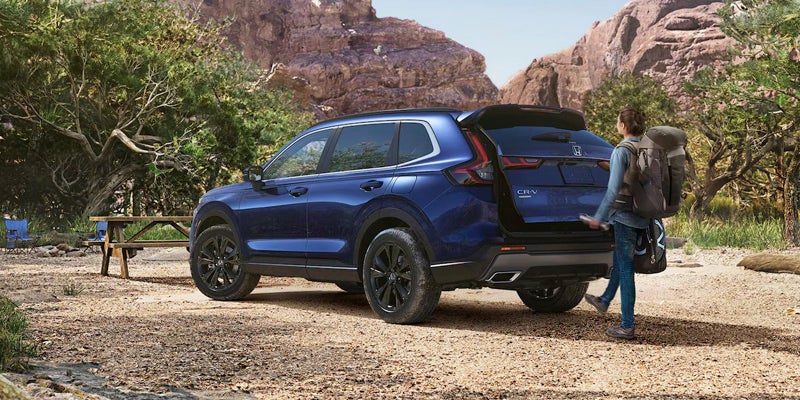
Reliability is already in Honda's genetics. The 2025 Honda CR-V mixes that with nimble handling, a spacious cabin, and a full roster of innovative driver-assistive technology to create a fun-loving compact SUV. This is the ideal ultramodern 5-seater to make your daily drives more pleasant.

Superior Cabin Comfort

Even a thousand continuous highway miles feel effortless inside the Honda CR-V. There is generous seating space for five, with 41.3 inches of legroom in the front and 41.0 inches in the back: a rare number for compact SUVs. The driver's seat is height adjustable, and the back passengers sit on a comfortable reclining split bench. Premium leather seats, heated front seats with power-adjustment functions, and a leather-wrapped steering wheel are standard on higher trim levels.

Generous Cargo Space

Behind the rear row, there is 39.3 cubic feet of space to store all your travel bags. Cargo area tie-down anchors and LED lights make loading and securing luggage easy, and a programmable power tailgate is standard on select trims. You can fold the second row to access the full 76.5 cubic feet of space. Inside the cabin, you will find deep door pockets, a lockable glove compartment, and a spacious center console to store away smaller items.

Latest Honda Sensing Technology

Soaking up the challenges of urban driving is a full suite of innovative Honda Sensing technology. Standard driver assistance technology includes adaptive cruise control, lane keep assist, traffic jam assist, and traffic sign recognition.

The Honda CR-V's built-in technology also includes several safety systems, such as Collision Mitigation Braking System (CMBS), Road Departure Mitigation System (RDMS), forward collision warning, and lane departure warning.

Turbocharged In-Line Four

The new generation of driver-assistive technology is complemented by a 1.5L turbocharged four-cylinder engine, producing 190 hp and 179 lb-ft of torque. The SUV is fun to drive, with an all-wheel drive (AWD) drivetrain, responsive throttle, and a precise continuously variable transmission (CVT). There are three drive modes to choose from: ECON, Normal, and Snow. With ECON mode active, the Honda CR-V achieves a stellar fuel economy of 26 mpg city and 31 mpg highway.

Sport Hybrid Trim Levels

If you want to go electric while keeping all the other benefits, the Honda CR-V is offered as a hybrid with the latest powertrain technology. The three hybrid trim levels feature a non-turbocharged version of the in-line four and two electric motors, producing a punchy 204 hp and 179 lb-ft of torque. Fuel economy also gets a boost, with EPA estimates for the hybrid being 40 mpg city and 34 mpg highway.

Get a closer look at your soon-to-be daily driver. Stop by Honda Auto Center of Bellevue in Bellevue, WA for expert assistance with all your Honda CR-V questions. Talk to our team to learn more about making the SUV yours.
Recommended Posts

Roadside Assistance and Car Breakdown Help: What to Do When Your Vehicle Stops Running

Roadside Assistance and Car Breakdown Help: What to Do When Your Vehicle Stops Running

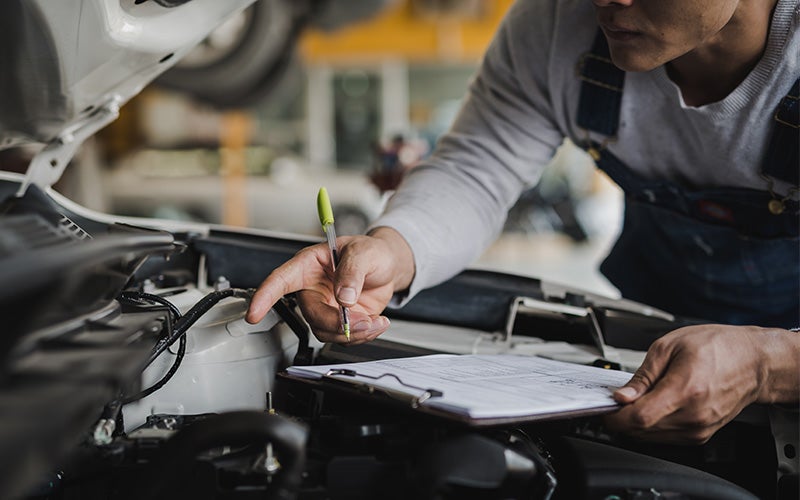
A vehicle breakdown can happen unexpectedly, whether you are commuting through Seattle traffic, traveling across Bellevue, or heading out on a longer road trip. Knowing what steps to take when your car stops working can help you stay safe and get the support you need as quickly as possible. Roadside assistance services are designed to provide drivers with help during unexpected vehicle issues. From a dead battery and flat tire to lockouts and towing needs, roadside support offers solutions that can help you get back on the road or safely transport your vehicle for additional service. For drivers throughout Bellevue, WA, and the surrounding Seattle area, having access to dependable car breakdown help provides added confidence during everyday driving. Understanding common roadside emergencies and available assistance options can make stressful situations easier to manage. What Should I Do If My Car Breaks Down? When a vehicle stops operating properly, the first priority is safety. Moving to a secure location and assessing the situation can help prevent additional risks while waiting for assistance. Whether your vehicle loses power, experiences a mechanical issue, or develops a tire problem, staying calm and following the right steps is important. more If your car breaks down, consider these steps: Move your vehicle away from traffic when possible and turn on hazard lights. Remain aware of your surroundings, especially when stopped near busy roads. Contact roadside assistance for professional help. Provide your location, vehicle details, and a description of the issue. Avoid attempting repairs in unsafe conditions. Modern vehicles include many advanced systems designed to improve reliability, but unexpected problems can still occur. Regular maintenance, inspections, and timely service can reduce the likelihood of breakdowns, but roadside assistance remains an important resource when problems happen. What Does Roadside Assistance Cover? Roadside assistance provides support for many common vehicle emergencies. The exact services available may vary depending on your coverage, vehicle ownership benefits, or service provider, but most programs are designed to address common situations drivers experience. Car breakdown help may include: Towing services when a vehicle cannot be safely driven. Battery jump-start assistance for vehicles with a discharged battery. Flat tire assistance when a tire needs replacement or repair. Lockout assistance if keys are accidentally locked inside the vehicle. Fuel delivery assistance when a vehicle runs out of fuel. Help locating additional automotive services when needed. These services can be especially valuable during inconvenient situations, such as early morning commutes, nighttime driving, or long-distance travel. Having access to roadside support helps drivers know they have options when their vehicle needs immediate attention. How Can I Prevent a Car Breakdown? While some vehicle problems are unavoidable, routine maintenance can help identify potential issues before they lead to unexpected breakdowns. Following recommended service intervals helps keep important vehicle systems operating properly. Many breakdown-related problems are connected to components that require regular inspection, including batteries, tires, fluids, and braking systems. Addressing small concerns early can help prevent larger issues in the future. Drivers can help reduce breakdown risks by: Checking tire pressure regularly and monitoring tire condition. Following recommended oil change schedules. Inspecting battery condition and electrical connections. Maintaining proper fluid levels. Paying attention to unusual noises, warning lights, or performance changes. Professional service technicians can also identify wear and maintenance needs during routine appointments. Regular visits to a trusted service department help keep vehicles prepared for daily driving conditions throughout Bellevue and Seattle. What Are Common Reasons Cars Need Roadside Assistance? Vehicle breakdowns can happen for many reasons, ranging from simple issues to more complex mechanical concerns. Understanding common causes can help drivers recognize warning signs and take preventative action. Some of the most common reasons drivers request roadside assistance include: Dead or weak batteries caused by age, weather, or electrical issues. Flat tires caused by punctures, damage, or worn tread. Engine problems that prevent normal vehicle operation. Overheating caused by cooling system concerns. Lost keys or accidental vehicle lockouts. Running out of fuel during travel. Battery issues are among the most frequent causes of roadside service calls. Temperature changes, frequent short trips, and vehicle age can affect battery performance over time. Routine battery inspections can help determine when replacement or service may be needed. Why Is Reliable Car Breakdown Help Important in Seattle? Driving conditions throughout the Seattle area can vary depending on traffic, weather, and travel distance. A vehicle issue during a busy commute or on an unfamiliar road can create additional challenges without access to reliable assistance. Roadside assistance provides support when drivers need immediate help. Instead of attempting potentially unsafe repairs or arranging transportation on their own, drivers can connect with professionals who understand how to handle vehicle emergencies. Reliable roadside support is valuable because it provides: Assistance during unexpected vehicle problems. Professional support when a vehicle cannot continue driving. Added confidence during daily commutes and road trips. Help coordinating towing or additional service needs. Peace of mind for drivers and passengers. Having a plan before an emergency happens allows drivers to respond more effectively when their vehicle requires attention. How Does Vehicle Maintenance Support Roadside Reliability? Routine vehicle maintenance plays an important role in reducing unexpected problems. A properly maintained vehicle is better prepared for everyday driving demands, changing weather conditions, and longer trips. Service appointments allow technicians to inspect important components and identify potential concerns. Maintenance services such as oil changes, tire rotations, brake inspections, and battery checks help support vehicle performance over time. Important maintenance services include: Oil and filter changes to support engine performance. Tire inspections to maintain proper handling and safety. Brake checks to monitor wear and performance. Battery testing to identify charging concerns. Fluid inspections to support vehicle systems. Maintaining your vehicle does not eliminate every possible issue, but it can help address problems before they become larger concerns. A consistent service schedule is one of the best ways to support dependable transportation. Unexpected vehicle problems can be frustrating, but knowing where to turn for help can make the experience easier. Roadside assistance provides valuable support for common emergencies, while routine maintenance helps drivers stay prepared for the road ahead. Honda Auto Center of Bellevue supports drivers in Bellevue and the Seattle area with automotive expertise, vehicle service resources, and helpful guidance. Whether you need car breakdown help, routine maintenance, or information about keeping your vehicle dependable, the dealership team is available to assist. Schedule your next service appointment and keep your vehicle ready for every drive.

How Hybrid Vehicles Work and the Difference Between HEV vs. PHEV - 2026 Honda Civic Hatchback Hybrid

How Hybrid Vehicles Work and the Difference Between HEV vs. PHEV

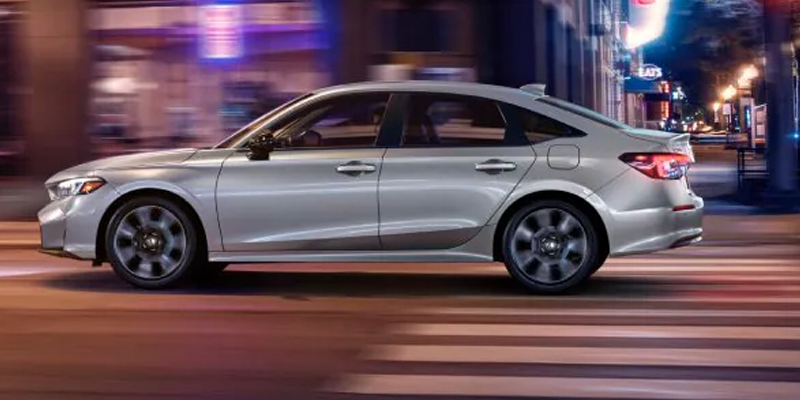
Hybrid vehicles have become an increasingly popular choice for drivers who want improved efficiency, advanced technology, and a practical alternative to traditional gasoline-powered vehicles. By combining an internal combustion engine with electric motor technology, hybrids provide a unique driving experience that balances performance and fuel efficiency. For drivers near Bellevue and Seattle, understanding how hybrid vehicles operate can help determine which type of electrified vehicle best fits their daily driving needs. Two of the most common hybrid systems are Hybrid Electric Vehicles (HEVs) and Plug-In Hybrid Electric Vehicles (PHEVs). While both use electric motors and gasoline engines, the way they store and use energy is different. Honda hybrid models are designed to deliver smooth performance, responsive acceleration, and efficient operation while maintaining the comfort and reliability drivers expect from the brand. How Do Hybrid Vehicles Work? A hybrid vehicle uses two sources of power: a gasoline engine and one or more electric motors. These systems work together to provide power while reducing the amount of fuel needed during certain driving conditions. Instead of relying only on gasoline, hybrid technology allows the vehicle to use stored electrical energy to assist the engine. more The hybrid system automatically determines the most efficient way to deliver power based on driving conditions. During low-speed driving, acceleration, cruising, or braking, the vehicle can adjust between gasoline power, electric power, or a combination of both. Key components of a hybrid vehicle include: Gasoline engine that provides traditional vehicle power. Electric motor that assists with acceleration and driving efficiency. Battery pack that stores electrical energy for the electric motor. Regenerative braking system that captures energy during braking. Hybrid control system that manages power distribution between components. Regenerative braking is one of the most important features of hybrid technology. When a driver slows down, the system captures energy that would normally be lost as heat through the brakes. That energy is converted into electricity and stored in the battery, helping power the electric motor later. What Is an HEV (Hybrid Electric Vehicle)? A Hybrid Electric Vehicle, commonly called an HEV, uses a gasoline engine and electric motor without needing to be plugged into an external power source. The vehicle charges its battery automatically through regenerative braking and energy generated by the gasoline engine. HEVs are designed for drivers who want hybrid benefits without changing their regular driving habits. Since the battery charges while driving, owners do not need to search for charging stations or install home charging equipment. Benefits of an HEV include: No need to plug in the vehicle to recharge the battery. Automatic switching between gasoline and electric power. Improved efficiency during city driving and stop-and-go traffic. Familiar fueling process similar to a traditional vehicle. Reduced reliance on gasoline compared with conventional models. Honda hybrid vehicles use advanced engineering to create a seamless transition between electric and gasoline power. Drivers may notice quiet electric operation at certain speeds, smooth acceleration, and efficient power management during everyday commutes. What Is a PHEV (Plug-In Hybrid Electric Vehicle)? A Plug-In Hybrid Electric Vehicle, known as a PHEV, combines a gasoline engine and electric motor while offering a larger battery that can be charged through an external power source. Unlike an HEV, a PHEV can typically travel longer distances using electric power alone before the gasoline engine becomes necessary. PHEVs provide flexibility because drivers can use electric power for shorter trips while still having a gasoline engine available for longer journeys. This makes them appealing for commuters who want electric driving capability without depending entirely on charging infrastructure. Important PHEV features include: Rechargeable battery that can be charged using a home or public charging station. Ability to drive using electric power alone for certain distances. Gasoline engine support for extended driving range. Flexible operation for both daily commuting and longer trips. Reduced gasoline use when charging regularly. Drivers who have predictable daily routes may benefit from a PHEV because many routine trips can potentially be completed using electric power before switching to gasoline operation. HEV vs. PHEV: What Is the Difference? The main difference between an HEV and a PHEV is how the battery is charged and how much electric-only driving capability the vehicle provides. Both systems improve efficiency by combining electric and gasoline power, but they are designed for different driving preferences. An HEV automatically manages its battery charging while driving, making it a convenient choice for drivers who want hybrid efficiency without plugging in. A PHEV offers more electric driving capability but requires access to charging to maximize its benefits. The main differences between HEV and PHEV technology include: HEVs recharge through regenerative braking and the gasoline engine, while PHEVs can be plugged into an external charger. PHEVs generally have larger battery packs than HEVs. HEVs operate without requiring charging equipment. PHEVs can provide electric-only driving for certain distances. HEVs are often ideal for drivers with varied driving patterns, while PHEVs may benefit drivers with consistent charging access. Choosing between an HEV and PHEV depends on driving habits, access to charging, commute length, and personal preferences. Both options provide an efficient way to enjoy the advantages of electrified driving. Are Hybrid Vehicles Good for Seattle and Bellevue Drivers? Hybrid vehicles can be a practical option for drivers throughout the Seattle area. Daily commuting, traffic conditions, and frequent stop-and-go driving create situations where hybrid technology can provide noticeable efficiency advantages. HEV models are especially convenient for urban driving because they can recover energy during frequent braking and use electric assistance during lower-speed situations. PHEVs can also be a strong option for drivers who have access to charging at home or work. Hybrid vehicles are commonly chosen by drivers who want: Efficient commuting options for city and highway driving. Advanced technology without giving up gasoline-powered range. Lower fuel consumption compared with many traditional vehicles. Smooth and quiet operation. Modern safety and convenience features. The right hybrid vehicle depends on how and where you drive. A dealership experienced with Honda hybrid models can help you compare available options and determine which technology aligns with your routine. What Are the Benefits of Choosing Honda Hybrid Vehicles? Honda has developed hybrid technology to provide a balance of efficiency, performance, and everyday usability. Honda hybrid models incorporate electric motors with gasoline engines to deliver responsive driving while helping drivers reduce fuel consumption. Many Honda hybrid vehicles include features that enhance the ownership experience, such as advanced driver-assistance technology, intuitive infotainment systems, and comfortable interiors. These models are designed to provide the same practicality drivers expect while adding hybrid efficiency. Honda hybrid advantages include: Smooth power delivery from electric and gasoline systems. Intelligent energy management that automatically adjusts performance. Available advanced safety technologies. Comfortable designs suited for commuting and family driving. Reliable engineering built for everyday use. Whether choosing an HEV or exploring plug-in hybrid options, Honda vehicles offer drivers a way to experience electrified technology while maintaining the flexibility needed for daily transportation. Explore Honda Hybrid Vehicles Near Bellevue, WA Understanding how hybrid vehicles work makes it easier to choose the right electrified option for your lifestyle. HEVs provide convenient hybrid efficiency without requiring charging, while PHEVs offer additional electric driving capability with the flexibility of gasoline power. Honda Auto Center of Bellevue helps drivers near Seattle explore available Honda hybrid models and learn more about HEV and PHEV technology. From comparing features to finding the right vehicle for your commute, the dealership team can provide helpful information throughout the shopping process. Explore Honda hybrid vehicles today and discover how advanced hybrid technology can support your next drive.

Used Cars FAQ: What to Know Before Buying a Used Car in Seattle, WA - 2019 Honda Fit

Used Cars FAQ: What to Know Before Buying a Pre-Owned Vehicle in Seattle, WA

Shopping for a used car involves more than finding a vehicle that fits your budget and lifestyle. Drivers throughout Seattle, WA, often consider factors such as vehicle condition, ownership history, reliability, available features, and long-term value before making a purchase. A well-researched used vehicle can provide years of dependable transportation while offering access to modern technology, comfort features, and performance capabilities. At Honda Auto Center of Bellevue, shoppers can explore a variety of quality pre-owned vehicles while receiving guidance from a knowledgeable automotive team. Understanding what to look for when buying a used car can help make the process easier and provide confidence when selecting the right vehicle. What Should I Look For When Buying a Used Car? A used vehicle should be evaluated based on more than appearance alone. While exterior condition and interior comfort are important, mechanical condition, maintenance history, and ownership records provide a clearer picture of the vehicle’s overall value. Taking time to review important details can help drivers make informed decisions. more Many shoppers begin by identifying their needs, including passenger space, fuel efficiency, cargo capacity, driving habits, and desired features. A commuter in Seattle may prioritize a fuel-efficient sedan or compact SUV, while families may prefer a larger SUV with additional seating and storage options. Important factors to consider when shopping for a pre-owned vehicle include: Vehicle history report that provides information about previous ownership, reported accidents, service records, and title history. Mileage compared with the vehicle’s age, condition, and maintenance history. Inspection results that help identify potential mechanical concerns. Available safety technology, connectivity features, and driver-assistance systems. Previous maintenance records that show how well the vehicle was cared for. A vehicle history report is one of the most valuable resources available when purchasing a used car. This report can provide insight into a vehicle’s background and help shoppers better understand its previous use. Reviewing this information alongside a professional inspection creates a more complete picture of the vehicle before purchase. Why Is a Vehicle History Report Important for Used Cars? A vehicle history report helps answer many common questions that arise during the used car buying process. Buyers often want to know whether a vehicle has been involved in an accident, how many owners it has had, whether it has a clean title, and if maintenance records are available. This information allows shoppers to move forward with greater confidence. A report can reveal important details that may not be visible during a walk-around inspection, such as previous damage, ownership changes, or reported service events. When reviewing a vehicle history report, shoppers should pay attention to: Accident and damage history that may affect vehicle condition. Title information that confirms the vehicle’s status. Service records showing routine maintenance and repairs. Number of previous owners and how the vehicle was used. Odometer information to verify reported mileage. Used car shoppers in the Seattle area can benefit from reviewing vehicle history information before scheduling a test drive or finalizing a purchase. This step helps create a more transparent buying experience and supports better decision-making. How Can I Find Reliable Used Cars Near Seattle? Finding a dependable used car starts with choosing a dealership that offers a carefully selected inventory and helpful resources throughout the process. A reputable dealership provides access to vehicles that have been reviewed for quality while helping shoppers compare different options based on their needs. Drivers near Seattle, Bellevue, and surrounding communities can explore pre-owned inventory that includes a wide range of makes and models. Whether searching for a daily commuter vehicle, family SUV, or dependable truck, having access to different options makes it easier to find the right match. When searching for a reliable used vehicle, consider: Dealership reputation and customer reviews. Available vehicle details and online inventory information. Financing resources that simplify the purchasing process. Trade-in opportunities for drivers replacing their current vehicle. Professional assistance from automotive experts. A used car dealership can also help answer important questions about vehicle features, ownership history, maintenance information, and available options. Working with experienced professionals allows shoppers to compare vehicles with more confidence. What Used Car Features Should I Consider? Modern used vehicles often include many of the same advanced features found in newer models. Technology, safety systems, and comfort amenities have become important considerations for many drivers. Choosing the right features depends on personal preferences, driving conditions, and everyday needs. Seattle drivers often look for vehicles that provide convenience during daily commutes, weekend trips, and changing weather conditions. Features such as smartphone integration, advanced safety systems, all-wheel drive availability, and efficient powertrains can add value to a pre-owned vehicle. Popular features to consider include: Apple CarPlay and Android Auto compatibility for convenient smartphone access. Blind spot monitoring and rear cross traffic alert for added awareness. Adaptive cruise control for highway driving. Heated seating and climate control features for seasonal comfort. Flexible cargo areas for shopping, recreation, and travel needs. Honda vehicles are known for their reputation for practicality, efficiency, and long-term dependability. Pre-owned Honda models can offer drivers access to these qualities while providing a wide range of features designed for everyday driving. Is It Better to Buy a Used Car From a Dealership? Many drivers choose dealership used cars because they appreciate having access to vehicle information, professional support, and additional resources during the buying process. Dealerships provide an organized shopping experience where customers can compare vehicles, review available details, and receive assistance with important steps. Buying from a dealership also allows shoppers to ask questions about the vehicle’s history, condition, and features. This guidance can be especially helpful for first-time used car buyers or anyone looking to replace their current vehicle. Benefits of shopping for a used car through a dealership include: Access to a diverse selection of pre-owned vehicles. Assistance from knowledgeable automotive professionals. Help understanding vehicle features and ownership history. Convenient financing and trade-in resources. A more structured purchasing experience. For drivers throughout Seattle and Bellevue, purchasing a used vehicle from a trusted dealership can make the process more straightforward. The right dealership provides helpful information so shoppers can choose a vehicle that matches their expectations. What Questions Should I Ask Before Buying a Used Vehicle? Before purchasing a pre-owned vehicle, shoppers should feel comfortable asking detailed questions about the car’s background and condition. Understanding important details before making a decision helps prevent surprises later. Questions about maintenance, ownership history, inspection results, and available features can provide valuable insight. A knowledgeable dealership team can help explain vehicle information and guide customers through the process. Helpful questions to consider include: Does the vehicle have a complete vehicle history report? Has the vehicle received regular maintenance? Are service records available for review? What features and technology systems are included? Has the vehicle undergone an inspection? Are there multiple similar vehicles available to compare? Taking the time to gather information allows shoppers to make choices based on facts rather than assumptions. A thoughtful approach to used car shopping can lead to a vehicle that provides reliable performance and lasting value. Find Quality Used Cars Near Seattle at Honda Auto Center of Bellevue Choosing a used car requires careful consideration, research, and access to accurate vehicle information. From reviewing a vehicle history report to comparing features and evaluating condition, each step plays an important role in finding the right pre-owned vehicle. Honda Auto Center of Bellevue helps drivers explore used cars with helpful resources, knowledgeable support, and a selection designed to meet a variety of needs. Whether searching for a Honda model or another trusted automotive brand, shoppers near Seattle can find options that fit their lifestyle. Explore available used inventory today and discover how the right pre-owned vehicle can provide dependable transportation for your daily drives and future adventures.